
Finding And Using BP Pulse EV Chargers Just Got A Whole Lot Easier
The oil giant’s EV charging subsidiary is now part of North America’s largest roaming network, making life a little easier for drivers.
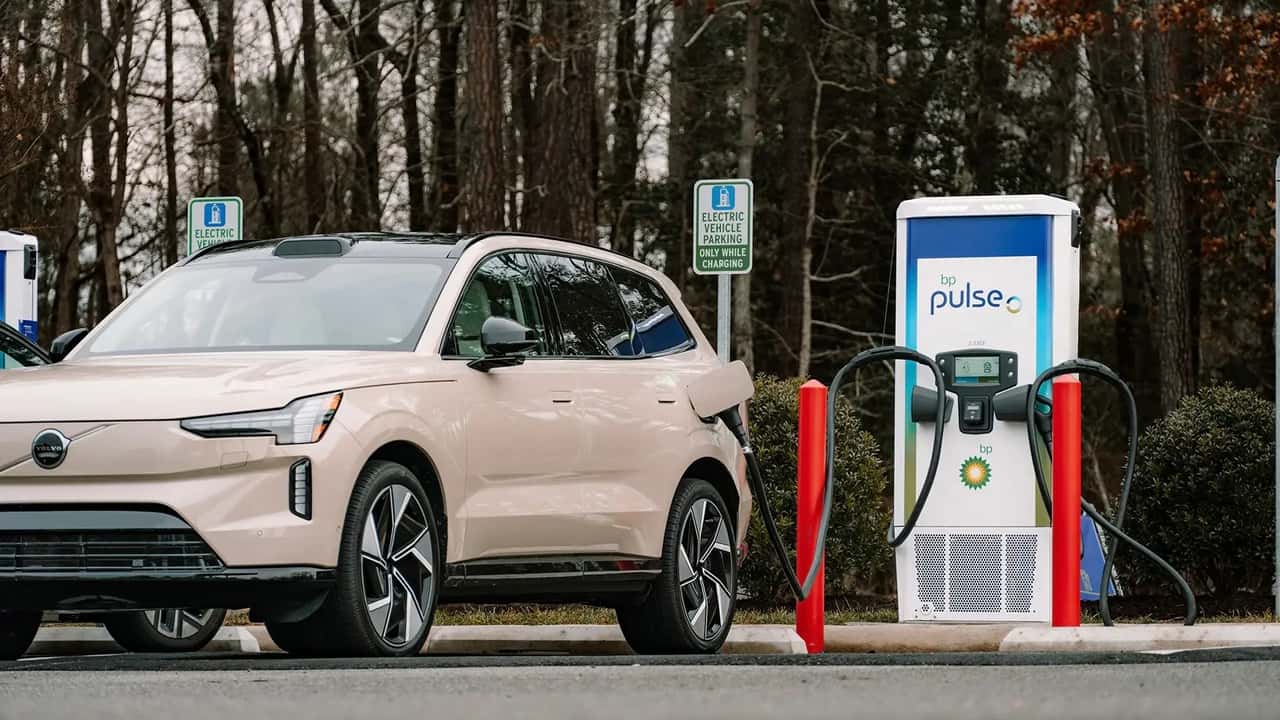

- BP Pulse’s entire EV charging network in the United States is now integrated into a big roaming network.
- The company’s nearly 900 ports can be accessed through ChargeHub’s Passport Hub ecosystem, which includes dozens of other networks.
- Drivers can ditch the BP Pulse app in favor of the ChargeHub app.
BP Pulse, the oil and gas giant’s EV charging subsidiary, has made it simpler for EV drivers to find and use its fast chargers across the United States.
The company’s nearly 900 DC fast chargers are now integrated into ChargeHub’s ecosystem, which claims to be the largest roaming network in North America. As a result, drivers can ditch the BP Pulse smartphone app in favor of ChargeHub’s app, which includes thousands of stalls from dozens of different operators.

Through the roaming network’s app, users can find, access, and pay for charging. The ChargeHub app also shows real-time information about available ports and their connector type. In BP Pulse’s case, roughly a third of its 874 fast chargers have a Tesla-style NACS connector, while the majority of stalls have CCS1 connectors. Some have CHAdeMO plugs.
The oil company’s chargers also have on-site credit card readers, so using an app isn’t required, but it’s helpful when trying to plan a charging stop. BP Pulse supports Plug & Charge, but it’s limited to Ford and BMW vehicles, and only the fastest stalls have the feature enabled.
Three types of chargers can be found on BP Pulse’s network. The lowest-powered stalls are made by Tritium and can deliver up to 150 kW. The company also uses 180 kW ABB dispensers, as well as 400 kW Alpitronic stalls. The smallest BP Pulse stations have just two stalls, while the largest site, located in Inglewood, California, has 48 stalls, according to DCFC Tracker. Pricing on BP Pulse varies between $0.33/kilowatt-hour and $0.65/kilowatt-hour.
"We're focused on making charging simple, reliable, and easy to access wherever drivers need it,” said Sujay Sharma, VP EV Charging at BP Pulse. “By partnering with ChargeHub, we're expanding access to the bp pulse network through trusted roaming partners for EV drivers on the road. Charging networks working better together benefits the entire EV ecosystem and is an important step toward accelerating EV adoption."
Through the ChargeHub app, drivers can find and pay for sessions at over 40 different operators in the United States and Canada. Additionally, another 70+ networks, including Tesla, Ionna, and Electrify America, can be found on ChargeHub.
More Charging News

RECOMMENDED FOR YOU
Mercedes-Benz Is Giving Up On Its EV Charging Network In Europe
They Wanted The Fiesta ST To Beat These EV Hot Hatches. It Came Last
Rivian's Charging Network Grew 39% In A Year
BYD’s 300-MPH Electric Hypercar Crashed During Testing. The Driver Survived
This 400 kW EV Charger Uses Old EV Batteries To Avoid Costly Grid Upgrades
Gas Vs. Electric: Which BMW Goes Further Without Stopping For Fuel?
The Ford Fathom's Home Backup System Will Be Way Cheaper Than The F-150 Lightning's