Home
News
News
This New Bio-Inspired Membrane Could Make Lithium Extraction Much Cleaner
The tech still needs more testing, but it could revolutionize how lithium is sourced for batteries.
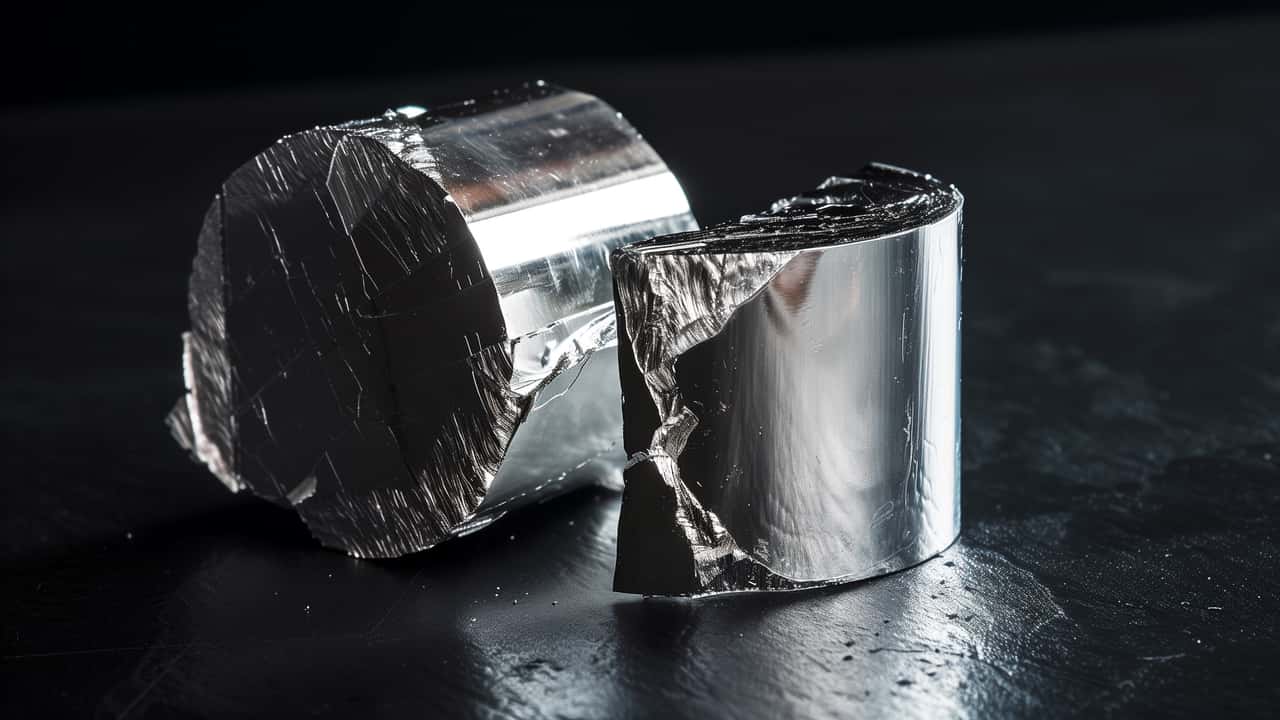
Photo by: InsideEVs
Nico DeMattia 
By: Nico DeMattia
Oct 28, at 6:07pm ET
Add InsideEVs as a preferred source in Google
- (https://twitter.com/intent/tweet?url=https%3A%2F%2Finsideevs.com%2Fnews%2F813622%2Fnew-bio-lithium-extraction-tech%2F&text=This%20New%20Bio-Inspired%20Membrane%20Could%20Make%20Lithium%20Extraction%20Much%20Cleaner&via=InsideEVs)
- copy
Share
Comment
The need for lithium in EV batteries isn't going anywhere anytime soon. Modern batteries need the stuff, and it isn't exactly the easiest thing to get a hold of. Extracting lithium can be a rigorous, time-consuming, and earth-polluting process. Which is why this new technological breakthrough from the University of Texas at Austin could be huge. It's a new extraction process that essentially uses a new type of bio-inspired filter to extract the lithium faster, easier, and with less harmful waste.
“Lithium is in our phones, our cars and the power grid, but getting it out of the ground cleanly is still a hard problem,” said Manish Kumar, a professor in the Fariborz Maseeh Department of Civil, Architectural and Environmental Engineering, in the release. “Our goal is a process that is faster, cleaner and easier to run.”
At the moment, there are three main sources of lithium: hard rocks, salty water brine, and old recycled batteries. But the issue is that lithium isn't ever alone. It mixes and dissolves into other stuff, meaning that even after you extract the rock or evaporate the briny water, you still need to filter the lithium out from other materials. And that's where the new filter comes in.

Photo by: Porsche
The University of Texas at Austin developed nanoscale, artificial channels inspired by the natural ways that ions pass in and out of living cells. These artificial channels are built into a newly developed membrane and let lithium ions through, while filtering out everything else, without the need for dangerous chemicals or solvents.
What do you think?
View
Comments
“We now have a toolkit rather than a one-off result,” said Harekrushna Behera, a research scientist in Kumar’s lab. “By understanding how ions interact with the chemical groups at the channel entrance, we can work toward designing more selective channels for lithium and potentially other critical minerals.”
More experiments are need to see if this technology can work at an industrial scale. However, early results seem promising. Any new technology that can improve and clean up lithium extraction will make EV batteries even better for our planet.
Here are some related articles
General Motors Just Took A Big Step Towards Its Next-Gen EV Battery
America's First Car With Solid-State Batteries Could Come From This Little-Known EV Maker
We want your opinion!
What would you like to see on Insideevs.com?
Take our 3 minute survey.
- The InsideEVs team
Share this Story
- (https://twitter.com/intent/tweet?url=https%3A%2F%2Finsideevs.com%2Fnews%2F813622%2Fnew-bio-lithium-extraction-tech%2F&text=This%20New%20Bio-Inspired%20Membrane%20Could%20Make%20Lithium%20Extraction%20Much%20Cleaner&via=InsideEVs)
- copy
GO TO COMMENTS
(
)
Got a tip for us? Email: tips@insideevs.com
View all comments ( )
Trending
I Tried Mercedes' Answer To Tesla FSD. Here's How It Went
Driven: BMW's Electric M3 Is The Real Deal
Tesla Opens Self-Driving Cybercab Orders To 'Select Customers' At $29,990
Tesla Model 3 Maintenance Guide: What Needs Servicing And What Doesn't
Latest Stories
- Bentley’s First EV Is Already Sold Out, And Production Hasn’t Even Started Nov 17 - Sales -
- The Electric Baby Land Rover Defender And Range Rover GT Will Begin Production Next Year Nov 16 - News -
- Mercedes Is Bringing Hands-Free Driving To Certain U.S. Highways In 2027 Nov 16 - News -
- Tesla Keeps Killing Cars. Now It Wants To Build Cybercabs In Germany Nov 16 - News -
- Tesla Model 3 Maintenance Guide: What Needs Servicing And What Doesn't Nov 16 - Repair / Maintenance -
- Audi A2 e-tron First Drive: Does The Iconic Nameplate Live Up To The Hype? Nov 16 - First Drives -
- I Tried Mercedes' Answer To Tesla FSD. Here's How It Went Nov 16 - Tech Review -
RECOMMENDED FOR YOU
The Electric Baby Land Rover Defender And Range Rover GT Will Begin Production Next Year
Tesla Model 3 Maintenance Guide: What Needs Servicing And What Doesn't
Mercedes Is Bringing Hands-Free Driving To Certain U.S. Highways In 2027
Audi A2 e-tron First Drive: Does The Iconic Nameplate Live Up To The Hype?
Tesla Keeps Killing Cars. Now It Wants To Build Cybercabs In Germany
I Tried Mercedes' Answer To Tesla FSD. Here's How It Went
Diesel Prices Are Surging. This Electric Trucking Company Is Seeing More Interest