
Rivian Is Taking Its Battery Recycling Game To The Next Level
From manufacturing scrap to batteries that are no longer suitable for EVs, nothing is wasted.
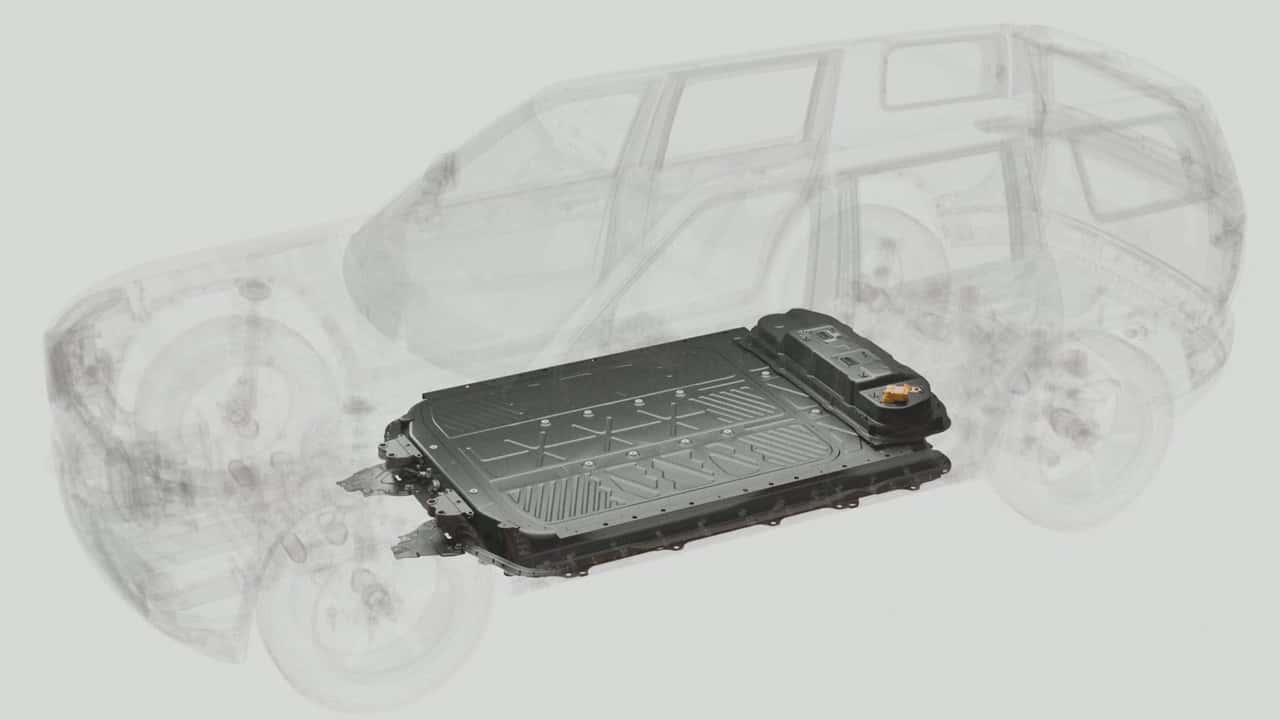

- Rivian has extended its partnership with Redwood Materials to recycle more battery materials.
- The recycling specialist will take Rivian’s battery scrap and end-of-life batteries.
- Rivian’s plant in Normal, Illinois, will also be powered by old battery packs that came out of its own vehicles.
Rivian is upping its battery recycling game by expanding its partnership with Redwood Materials.
The California electric car startup will now send battery production scrap to Redwood, in addition to full battery packs that are no longer suitable for EVs. In return, the battery recycling specialist will provide energy storage for Rivian’s factory in Normal, Illinois, using end-of-life packs from the automaker’s own cars.
The deal expands on an existing partnership from April, when Redwood said it would deploy 10 megawatt-hours of battery energy storage from repurposed Rivian battery packs at the automaker’s plant in Normal, where the R1T, R1S, R2, and electric van are built.

Redwood's ESS can integrate old and new battery packs from various manufacturers, keeping costs low and accelerating deployment times.
"Every Rivian battery pack that comes back to us is a potential source of domestic grid energy storage in addition to critical materials," said JB Straubel, Redwood Materials Founder and CEO. "Redwood’s unique ability to integrate and redeploy Rivian batteries with our technology is an opportunity to enable fast, flexible, and more cost-efficient energy storage. As the demand and cost for energy keep rising, working with companies like Rivian is how we help meet these challenges.”
The California startup collects high-voltage battery packs that are no longer suitable for in-vehicle use through its nationwide service network. Then, they’re sent to Redwood, which evaluates each pack to determine if it can be repurposed for energy storage or if it needs to be dismantled and recycled. If the pack still has healthy modules, they can be integrated into energy storage systems and deployed at Rivian’s manufacturing facilities or at other locations.
When big EV batteries fail, they usually still have plenty of healthy cells inside, but it’s a huge hassle to repair them, so manufacturers usually take the easy way out by replacing entire packs. If integrated into a stationary storage system, the healthy modules can help keep electricity costs down and keep the grid stable when demand is high. What’s more, with a big enough storage capacity, operators can charge the batteries when demand and prices are low, and then export to the grid when demand is high and prices are better.
Batteries don’t last forever, though. When it’s finally time to retire them, Redwood can recycle old batteries and recover over 95% of critical minerals like lithium, nickel, cobalt, and copper. The recovered materials can then be reused in new battery packs without having to dig them from the ground and ship them from thousands of miles away.
More Stories Like This

RECOMMENDED FOR YOU
The Rivian R1T Is An Awkward Fit For Britain. This Reviewer Loved It Anyway
This Startup Wants To Turn Teslas Into Anything, From 11-Seat Minibuses To Pickups
Rivian Has Invested Millions In 3D Printing. Its Biggest Plans Are Still Ahead
The 2027 Chevy Silverado EV Gets A Power Bump And A NACS Port
Rivian’s ‘Boring’ Commercial Van Is Turning Into A Secret Weapon
Tesla Sold FSD To Koreans Who Still Can't Use It. Now It's Facing A Complaint
Rivian's Charging Network Grew 39% In A Year