
Volvo Is Getting Crushed In The U.S.
Tariffs and a lack of demand is putting Volvo up against a major profitability crisis.
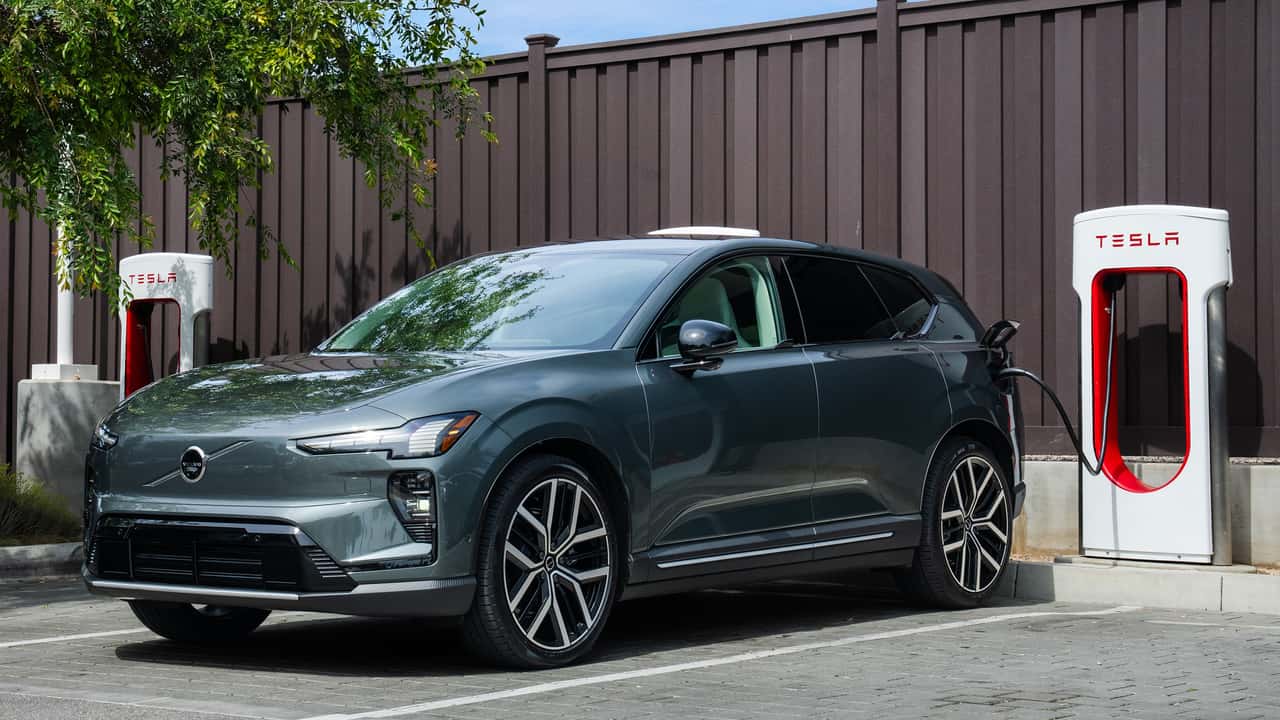

- Volvo is struggling in the U.S.
- Finding profitability has been "difficult," according to one of its executives.
- It will prioritize localization and multiple powertrain options in America to help revitalize the brand stateside.
Volvo is having some trouble adapting to the fast-paced auto market changes in the U.S. From flip-flopping tariffs to the exodus of its sister brand, Polestar, there have been a ton of changes in a relatively short period of time that has been difficult for the Swedes to keep up with.
In its third-quarter earnings call last week, Volvo's leadership admitted that it was struggling to make its endeavors in the U.S. lucrative and that customer optimism in the brand has hit a point not seen in half a century.

"U.S. has proven to be a difficult market to find profitability," said Volvo's Chief Commercial Officer, Erik Severinson, during the company's third quarter earnings call last week. "The consumer sentiment in the U.S. [...] is at a 50-year low."
CEO Hakan Samuelsson said that one of Volvo's oversights was how tariffs would affect its business in the States. He admitted that the company "should have realized" that the tariffs were a real possibility and that they would need to "localize more in the U.S." to address them. The CEO went on to say that Volvo is working to address those tariff-related shortcomings to help strengthen its position in the market.
One of the long-standing ways that Volvo anticipated reversing its sales slump was with the EX60. However, the electric SUV meant to compete with the likes of the BMW iX3 and Mercedes-Benz GLC Electric has proven to be a manufacturing challenge. And with EV sales continuing to boom in Europe and other global electrification hotspots, Americans hoping to get an EX60 in their driveway will be waiting longer than originally anticipated while Europe is prioritized.
The CEO also rather publicly addressed the U.S. falling behind of EV adoption.
Without criticizing, Samuelsson noted that Volvo needs to ensure that its offerings in America would address this. Its plant in South Carolina—which is only running at 20% capacity building the Volvo EX90 (and soon the XC60)—is planned for a second new, multi-powertrain vehicle by the top of the decade.
"The U.S. is electrifying slower than the rest of the world. We need to have a new car that is also flexible in that respect, with all-electric, plug-in or hybrid," said Samuelsson.

Volvo is in a tough spot. Like many other automakers, it went all-in on electrification at the same time when other global automakers committed to building all-EV brands. But as the American market reversed course, Volvo pulled what would have otherwise been high-volume BEV vehicles (the EX30 and EX40) for the U.S. market.
The Swedes now recognize that they need to regain traction in one of the world's most important auto markets. That will come through localization to avoid tariffs, and a push for demand through multiple powertrains. Will it work? Well, that's to be seen.
More Volvo News
RECOMMENDED FOR YOU
2027 Volvo EX60 Blows Past EPA Rating In Real-World Range Test
Tesla Warned Owners Not To Test Emergency Drive Away. Some Did Anyway.
Volvo Taps Nvidia To Bring ‘Eyes-Off And Mind-Off’ Driving To Its Cars
Smart’s New City EV Is Already Off To A Great Start
The Volvo EX60 Was Supposed To Sell Thousands In The U.S. This Year. It’s Not Happening
Hyundai Says Hydrogen Cars Aren’t Dead. Finding Customers Is Another Story
All The EVs That Got Canceled Or Delayed In 2025 And 2026