
2027 Chevrolet Bolt 70-MPH Range Test: Here’s How Far America’s Cheapest EV Goes
The new Bolt starts at less than $30,000 and promises over 250 miles of range on a full charge.
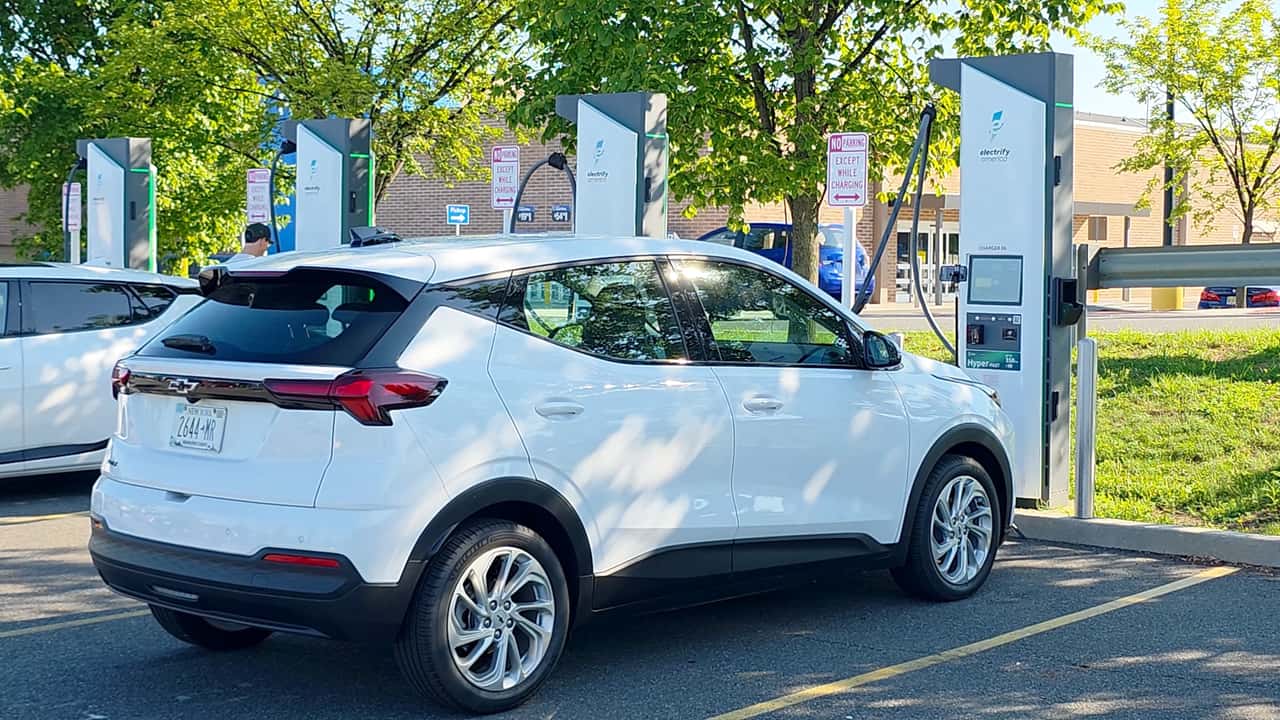

- InsideEVs contributor Tom Moloughney range-tested the 2027 Chevrolet Bolt.
- America’s cheapest new EV promises 262 miles on a full charge on the combined cycle.
- The electric hatchback was driven at a constant 70 mph, and it did better than expected.
Despite looking similar, the new Chevrolet Bolt is significantly better than its predecessor. It packs more range, faster charging, a lot more tech inside, and a starting price of less than $30,000.
This makes it the cheapest new EV in the United States right now, but that won’t matter much if it can’t deliver a solid range in the real world. Thankfully, it can, as InsideEVs contributor and State of Charge YouTube host Tom Moloughney found out during his well-known 70 miles per hour highway range test.

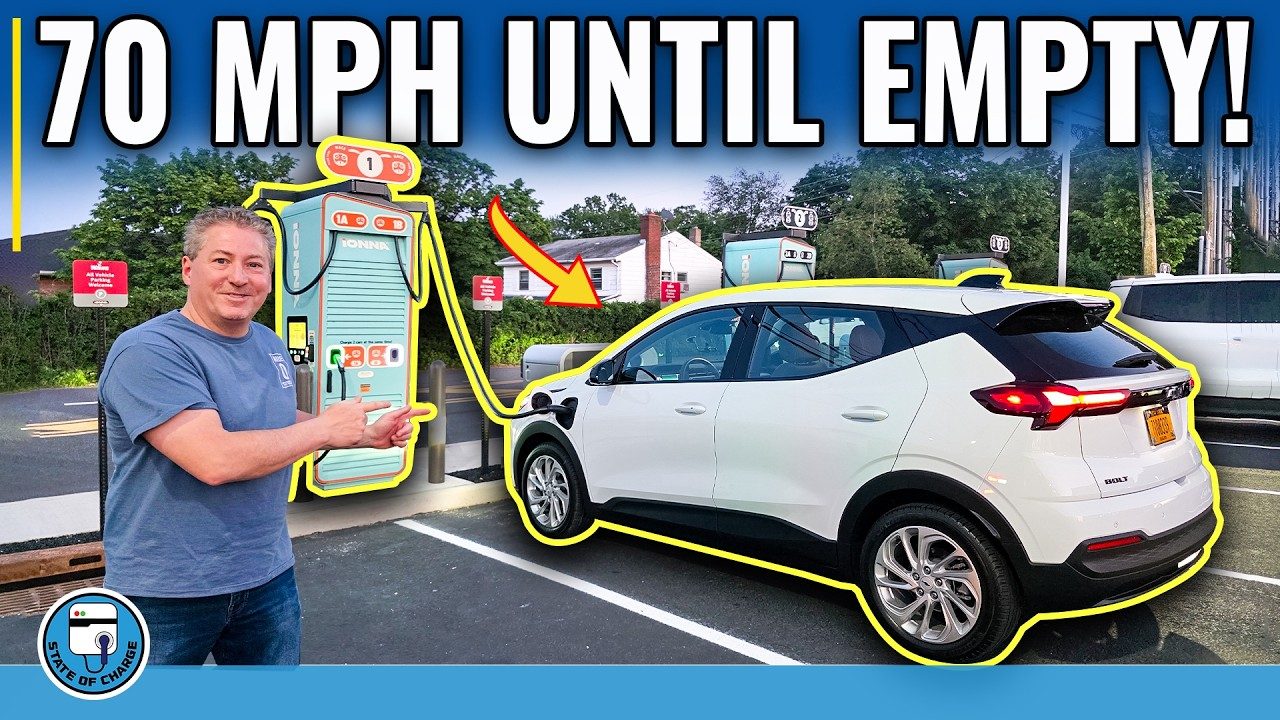
On paper, the 2027 Bolt is rated for 262 miles on a full charge on the combined cycle. Meanwhile, the EPA highway range rating is 232 miles, and I’ll get right to the point: GM’s entry-level EV topped that result in the real world, even though the EPA highway procedure doesn’t even exceed 60 mph.
The tester was a base Bolt LT with 17-inch wheels and the same 65-kilowatt-hour lithium-iron-phosphate (LFP) battery pack that’s available on all the trims. The tires were set to the manufacturer’s recommended pressure, the ambient temperature was between 71°F and 80°F, and the climate control system was set to the most efficient mode.
As always, the 70 mph run was done on the New Jersey Turnpike, where Tom does the vast majority of his highway range tests because it doesn’t have a lot of traffic early in the morning and there are lots of charging stations to choose from.
Gallery: 2027 Chevrolet Bolt: Review

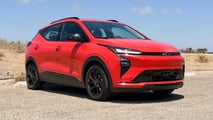
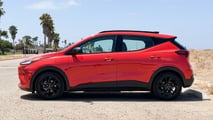


The 2027 Chevrolet Bolt drove 243 miles on a full charge and still had an estimated 1% and 2 miles of remaining range, according to the car’s instrument cluster. That’s 11 miles more than the EPA highway score and 19 miles less than the EPA combined figure. All in all, a solid result, with Tom reckoning he could probably squeeze a couple of more miles out of the battery, but he preferred to keep it safe, as the Bolt had already limited the power output. The average energy efficiency was 3.6 miles/kilowatt-hour, and the total energy used was 66 kWh, just a smidge over the stated usable capacity of 65 kWh.
At this point, It’s worth noting that speed has a big impact on the 2027 Bolt’s range. Earlier this year, the YouTube channel EV Motoring did a 75 mph range test with a similar car, and the result was noticeably worse. The weather was similar, but the 5 mph difference resulted in an average efficiency of 2.8 mi/kWh and a real-world range of just 197 miles.
If it wasn’t clear until now that speed kills EV range, these numbers should keep things in order.
Still, with a starting price of under $30,000, a more than decent real-world range, and perfectly usable charging speeds, the new Bolt should make for a great commuter. Too bad General Motors won’t keep it around for too long.
More Stuff Like This

RECOMMENDED FOR YOU
The Best Affordable Electric Cars In 2026: Cheap, Reliable Options For Everyone
The Zeekr 7GT Made Me Question Every Other Luxury EV
This Chevy Bolt Has 470,000 Miles. Here’s How Much A New Battery Was
EV Buyers Could Foot The Bill For Saving Europe’s Carmakers
The 2027 Chevy Silverado EV Gets A Power Bump And A NACS Port
Toyota Quietly Gave The 2027 Toyota RAV4 PHEV A Big Upgrade
GM's Future Cars Will Be Very Different. Here's Everything We Learned