Home
News
Industry Outlook
Europe Won't Ban Gas Cars By 2035 After All. Now Mercedes Is Worried
Until recently, European manufacturers were preparing for the 2035 ban on combustion engines and now must adapt to eased regulations.
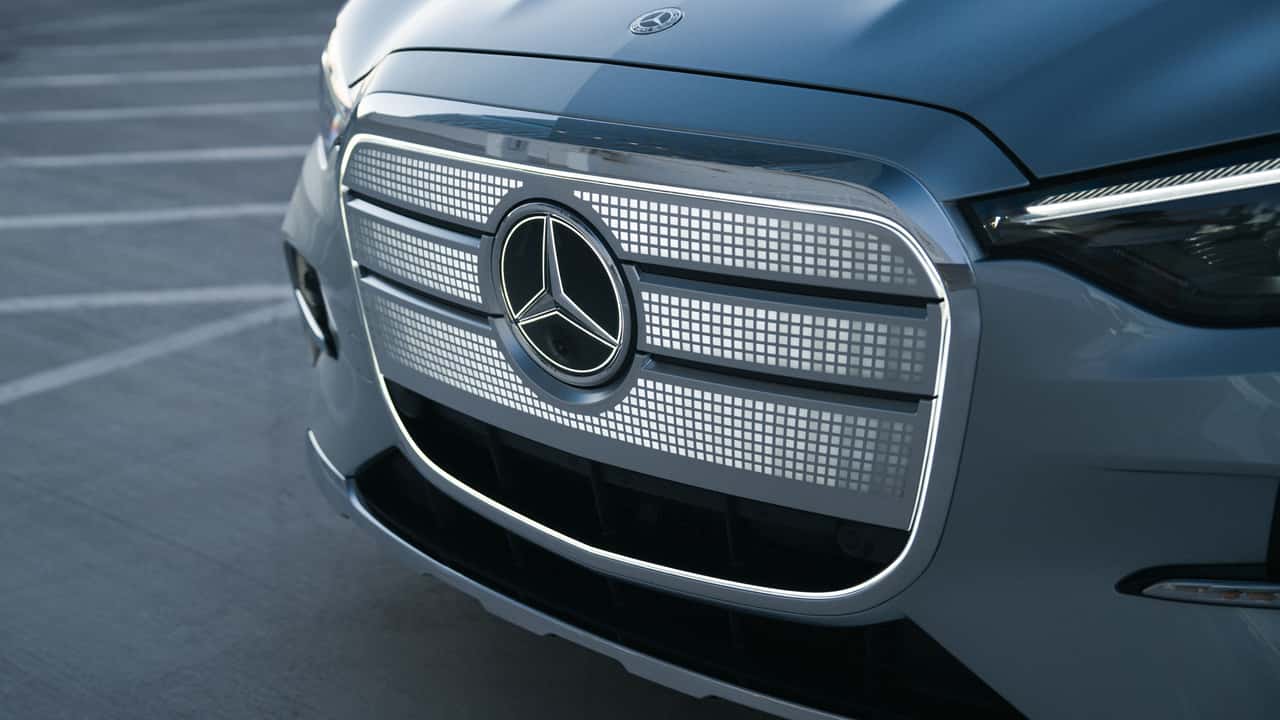
Photo by: Mercedes-Benz
Andrei Nedelea 
By: Andrei Nedelea
Feb 6, at 12:00pm ET
Add InsideEVs as a preferred source in Google
- (https://twitter.com/intent/tweet?url=https%3A%2F%2Finsideevs.com%2Fnews%2F786491%2Fmercedes-worried-eu-gas-ban-2035%2F&text=Europe%20Won%27t%20Ban%20Gas%20Cars%20By%202035%20After%20All.%20Now%20Mercedes%20Is%20Worried&via=InsideEVs)
- copy
Share
Comment
- Mercedes says that the EU's softening of the 2035 gas car rules may increase uncertainty and even shrink the market.
- Looser targets force automakers to keep investing in both combustion and electric power
- What they sell after 2035 is not yet clearly defined, but there will be more cars with combustion engines.
Mercedes-Benz was among the many automakers that lobbied Brussels to soften the European Union’s 2035 ban on the sale of new combustion cars. Now that the body is easing up on its aggressive push for an all-electric future, Mercedes CEO Ola Källenius says the revisions risk creating more uncertainty rather than less.
Källenius told Reuters on the sidelines of the new Mercedes S-Class launch that the EU had “opened the door slightly for now,” but warned there was “a great risk that the market will shrink on the way there.” The proposed changes still need to clear the EU’s legislative process and there’s likely still room for change before they become law. It's a surprising statement from an executive who begged the EU for a "reality check" on its all-electric goals.
A strict 2035 endpoint is brutal, but it’s also easy to understand and plan for. What likely alarms automakers and what Källenius is referring to is the uncertainty of a rulebook that’s still being rewritten. The European Commission’s proposed shift from a complete ban to a 90% CO2 reduction target relative to 2021 is forcing automakers to adjust plans, but they don't yet know what to adapt to.
 Most Cars In 2035 America Will Still Have Gas Engines, Bosch Claims
Volvo's CEO Just Said The Quiet Part Loud About 2035's Gas Car Ban
Kia Is Perfectly Fine With The EU’s 2035 Combustion Engine Ban
California Is Rethinking That 2035 Ban On Gas Cars
Even if automakers like Mercedes-Benz say they are flexible and can deliver the powertrains the market demands, this flexibility may be hard to model amid uncertainty and could end up costing them more than a clear, straight path to full electrification by 2035.
European automakers had already begun implementing long-term changes to adapt to an EU market without combustion engines. Now that the target has been softened and nuanced, further course corrections are required. One is renewed investment in engine development, which most major European carmakers had already announced they were moving away from to meet the 2035 ban, so it’s costing them more than they expected. They likely see investing in new combustion engines as risky, given the uncertainty of the new emissions targets.
All of this is pressure for them to keep some combustion and hybrid research and development alive longer than planned. That’s money that was supposed to go toward batteries, motors and software that now has to be redirected back to making engines, which will be more complex and expensive now that they have to meet the very stringent Euro 7 emissions standard that will come into effect at the end of November.

Stay informed with our newsletter every weekday
back
Subscribe For more info, read our Privacy Policy & Terms of Use.
The revision allows for new combustion cars to be on sale after 2035, but most automakers will likely fill their lineups with plug-in hybrids and range extenders since their on-paper emissions are lower, although that’s only if you keep them charged.
With the rule softened, the clean transport advocacy group Transport & Environment, quoted by Reuters, estimates that around 85% of all new cars sold in the EU after 2035 are still expected to be fully electric.
T&E explains that what happens after 2035 depends on what automakers choose to sell. If PHEVs and range extenders remain a large part of the sales mix, vehicles that still have a combustion engine could still reach 50%. In a more EV-heavy scenario, where most of the cars on offer are pure electric, the share of combustion vehicles could fall to about 5%, implying roughly 95% would be BEVs.
Mercedes is working to launch an entire lineup of more conventional-looking electric vehicles after its line of EQ-badged dedicated EVs was often criticized for the unusual “jellybean” styling. Cars like the upcoming electric C-Class and E-Class look like typical Mercedes sedans to broaden their appeal and attract some of the brand’s more traditional buyers.
Gallery: Mercedes C-Class With EQ Technology Spy Shots
21


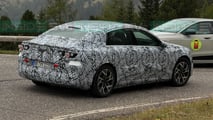
Source: InsideEVs/Andrei Nedelea
Porsche’s strategy change shows how quickly product plans can change. It announced that it is, in fact, developing new combustion-powered replacements for today’s 718 and Macan after previously announcing that these models would be replaced by pure EVs. There are even reports that the electric 718 sports car may now be axed after facing delays in its development. Whether there is demand for pure electric sports cars is also unclear at this point and likely contributed to the decision, if true.
What do you think?
View
Comments
We can draw a parallel to the U.S. stance change on electrification, too, which has forced American manufacturers to also shift their focus back to combustion—at least for now. But that too is an expensive shift. General Motors expects to lose $6 billion mainly from cancelled supplier contracts. Ford said in December that moving away from its electrification path and back to gas will cost it almost $20 billion over multiple quarters.
Europe may not be facing the same kind of brutal reset on the EV agenda as the United States, but the changes have nevertheless caused uncertainty across the industry. Large automakers like Mercedes-Benz plan a decade (or more) ahead, and a shifting rulebook doesn’t allow them to have a clear strategy, which means they have to spend more to cover multiple possible angles.
We want your opinion!
What would you like to see on Insideevs.com?
Take our 3 minute survey.
- The InsideEVs team
Share this Story
- (https://twitter.com/intent/tweet?url=https%3A%2F%2Finsideevs.com%2Fnews%2F786491%2Fmercedes-worried-eu-gas-ban-2035%2F&text=Europe%20Won%27t%20Ban%20Gas%20Cars%20By%202035%20After%20All.%20Now%20Mercedes%20Is%20Worried&via=InsideEVs)
- copy
GO TO COMMENTS
(
)
Got a tip for us? Email: tips@insideevs.com
View all comments ( )
Trending
The Mercedes-Benz EQS Sedan, EQS SUV, And EQE SUV Soldier On For 2027
The BMW iX5 Was Driven Until It Died. It Had A Surprising Amount Of Hidden Range Left
What We Both Thought After Driving The Rivian R2
Aptera Finally Built Its First Car For Customer Delivery
Latest Stories
- Tesla's EVs Could Get One Big Upgrade Next Year Nov 23 - News -
- Hyundai Ioniq 5 Maintenance Guide: What Needs Servicing And What Doesn’t Nov 23 - News -
- 2027 Mercedes GLA Electric First Drive: A Big Upgrade Nov 23 - Car Reviews -
- China’s SC01 EV Sports Car Will Get Its Own Factory In Europe Nov 23 - Europe -
- The BMW iX5 Was Driven Until It Died. It Had A Surprising Amount Of Hidden Range Left Nov 23 - Range / Efficiency -
- The Mercedes-Benz EQS Sedan, EQS SUV, And EQE SUV Soldier On For 2027 Nov 23 - Pricing -
- The U.S. Let Volvo Keep Selling Cars. Polestar Got A No. What About Mercedes? Nov 22 - News -
RECOMMENDED FOR YOU
China Has An Iron Grip On EV Batteries. Here's America’s Plan To Break It
Hyundai Ioniq 5 Maintenance Guide: What Needs Servicing And What Doesn’t
‘We Are Long-Term Committed In Europe’: Why Tariffs Won’t Scare Zeekr Off
2027 Mercedes GLA Electric First Drive: A Big Upgrade
The EV Tax Credit Could Come Back. Here's What Stands In The Way
China’s SC01 EV Sports Car Will Get Its Own Factory In Europe
Fuel Economy Rollback Will Burn Billions More Gallons Of Gas, Trump Administration Says