Home
News
Technology
Hyperion CEO Tells Tom Voelk Hydrogen Is The Future Of Transportation
And he has good arguments to support that, even if convenient ones.
Gustavo Henrique Ruffo 
By: Gustavo Henrique Ruffo
Aug 31, 2020 at 3:06pm ET
Add InsideEVs as a preferred source in Google
- (https://twitter.com/intent/tweet?url=https%3A%2F%2Finsideevs.com%2Fnews%2F441798%2Fhyperion-ceo-hydrogen-future-transportation%2F%3FMvBriefArticleId%3D43239&text=Hyperion%20CEO%20Tells%20Tom%20Voelk%20Hydrogen%20Is%20The%20Future%20Of%20Transportation&via=InsideEVs)
- copy
Share
Comment
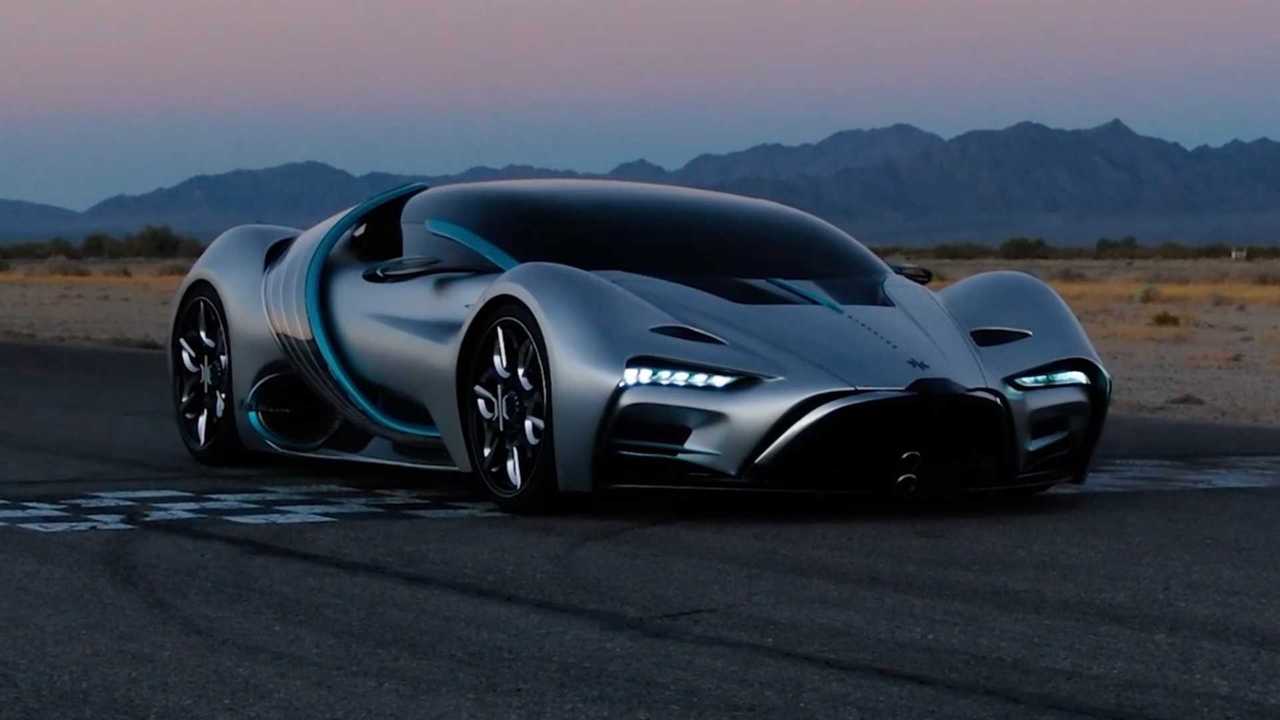
When Trevor Milton says there is room for FCEVs, he acknowledges the role BEVs to defend there is room for Nikola. Angelo Kafantaris did not worry about that. In an interview with Tom Voelk, Hyperion's CEO said the future of energy is on hydrogen. Simply put, FCEVs would be the future of transportation and that’s it.
Although it may seem pretty convenient for a guy that aims to sell FCEVs to say they are the future, Kafantaris could adopt a more conciliatory approach, like Milton, but he doesn’t. The reason we see is that Hyperion’s CEO has strong arguments to defend his point of view.

The main one is the weight. According to Kafantaris, a car that adopts hydrogen fuel cells is 60 percent more efficient than a leading battery electric vehicle solely based on mass. Being lighter is what makes it have to spend a lot less energy in moving around. We are not sure about the percentage he uses, but the mass argument is right.
The second argument is that getting the energy to move the car may be cleaner than recharging a vehicle. Voelk’s video is dedicated to learning where the hydrogen comes from. Kafantaris points to two main ways.
The first and not so efficient is electrolysis. According to Hyperion’s CEO, using energy to produce hydrogen does not seem to make sense: why not put this energy straight into batteries? He gets that but argues that there is a lot of electricity just going nowhere.
Solar and wind energy is an example. What some of these plants produce may be lost because most people need that energy at night, in their homes. Kafantaris’ proposition is to produce hydrogen with the energy that would be wasted otherwise.
More Tom Voelk's Videos:
Porsche Taycan 4S Is The Car Tom Voelk Would Buy New: Here's Why
Toyota RAV4 Prime Gets Reviewed And Praised By Tom Voelk
Another example Hyperion’s CEO uses is extracting hydrogen from natural gas. He claims the method, called SMR (Steam Methane Reformation), has 90 percent of efficiency. Compared to thermal power plants that burn it and get only 35 percent of the chemical energy transformed into electricity, that would be an amazing gain.
What Kafantaris does not address is the origin of this methane. If it comes from dumps and other renewable sources of gas, that would be defensible. If he is referring to methane from fossil origins, being efficient would not make the cut unless the carbon left from SMR was trapped someway.
What do you think?
View
Comments
Is the Hyperion CEO right? Would an FCEV be the answer for the future of transportation in passenger cars? Or would fuel cells make sense just for heavy vehicles? We’ll leave this interesting discussion for our readers to have in the comments section below.
Source: Driven Car Reviews
We want your opinion!
What would you like to see on Insideevs.com?
Take our 3 minute survey.
- The InsideEVs team
Share this Story
- (https://twitter.com/intent/tweet?url=https%3A%2F%2Finsideevs.com%2Fnews%2F441798%2Fhyperion-ceo-hydrogen-future-transportation%2F%3FMvBriefArticleId%3D43239&text=Hyperion%20CEO%20Tells%20Tom%20Voelk%20Hydrogen%20Is%20The%20Future%20Of%20Transportation&via=InsideEVs)
- copy
GO TO COMMENTS
(
)
Got a tip for us? Email: tips@insideevs.com
View all comments ( )
Trending
A Tesla Model Y Without A Steering Wheel Is Coming: Musk
Every EV Motor Type Explained: They Aren't All The Same
I Tried Mercedes' Answer To Tesla FSD. Here's How It Went
Tesla Model 3 Maintenance Guide: What Needs Servicing And What Doesn't
Latest Stories
- Rivian’s Also Spinoff Pauses Deliveries Of Its $3,500 E-Bike After Months Of Delays Nov 19 - E-Mobility -
- The EV Charging Company That’s Quietly Conquering America Is Building A New U.S. Factory Nov 19 - Manufacturing / Production -
- A Tesla Model Y Without A Steering Wheel Is Coming: Musk Nov 18 - News -
- The BMW i3 Has The Nurburgring Skills To Match Its Impressive Range Nov 18 - News -
- Kia Made Its First EV 40 Years Ago. It Shows How Far Electric Cars Have Come Nov 18 - News -
- Ford Just Started Fathom LFP Battery Production In Michigan. It's A Big Deal Nov 18 - Battery Tech -
- This GM EV1 Lives After A Painstaking Restoration Nov 18 - News -
RECOMMENDED FOR YOU
Lucid Overhauled The Air's Infotainment. You Might Need $950 Hardware To Get It
The BMW i3 Has The Nurburgring Skills To Match Its Impressive Range
Mercedes Taps Wayve For Tesla FSD-Like System Within 2 Years
Kia Made Its First EV 40 Years Ago. It Shows How Far Electric Cars Have Come
Hyundai's Tesla FSD Rival Is Delayed To 2029. But It May Be Worth The Wait
Ford Just Started Fathom LFP Battery Production In Michigan. It's A Big Deal
I Experienced The World’s First Electrostatic Speakers In A Production Car. Now I Can't Go Back