Wed, 21 Oct 2026 09:22:36 +0000 InsideEVs InsideEVs | Electric Vehicle News, Reviews, and Reports https://insideevs.com/ https://insideevs.com/news/812699/electrify-america-largest-ev-station-florida/ Wed, 21 Oct 2026 07:26:38 +0000 Electrify America’s Largest EV Charging Station Is Missing One Big Thing The company’s newest station is now open for business in Orlando, Florida. Electrify America opened its largest EV fast charging station to date. With two dozen 350 kW chargers, the Florida site has plenty of options for quick top-ups. All stalls have the same type of connector, so some EV owners will need to have an adapter at hand.
Electrify America just flicked the “on” switch at its largest-ever EV fast charging station. Located in Orlando, Florida, the site offers 24 individual stalls, each capable of delivering up to 350 kilowatts of power.
That’s great news for Orlando residents who need a quick top-up, but the site’s location near Interstate 4, the Orlando International Airport, Walt Disney World, and Universal Studios means it’s well-positioned for EV drivers who are just passing by, too.
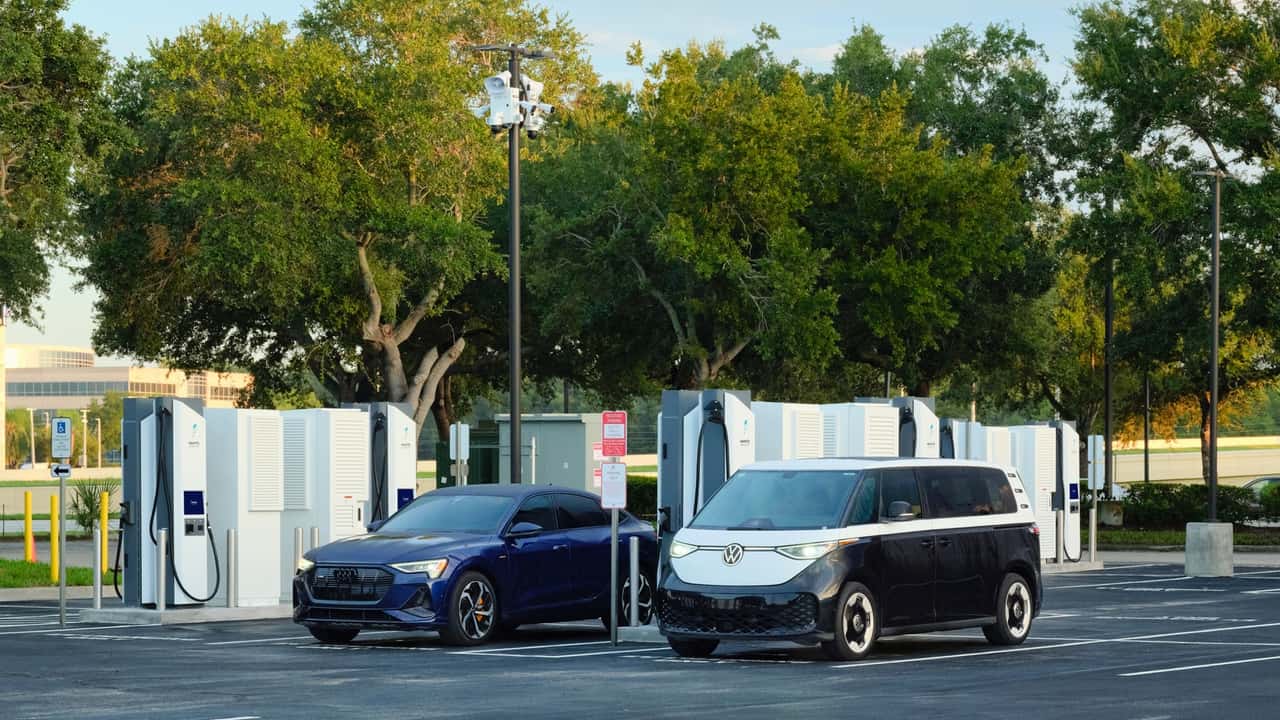
Electrify America's largest EV fast charging station opened in Orlando, Florida
Photo by: Electrify America
Plenty of dining and shopping options are also available nearby at the Sand Lake Corners South shopping center, so drivers can spend their time doing something else while their car is charging.
All this being said, there is one important thing to keep in mind. Every one of the 24 stalls at Electrify America’s largest DC fast charging station has a CCS1 connector. It’s not the end of the world, but it means that drivers of NACS-equipped EVs will need to have a charging adapter at hand if they want to top up at this location. All Tesla and Rivian EVs sold in the United States have a NACS charging port, and an increasing number of legacy automakers are fitting the compact connector on their electric models, including General Motors, BMW, Stellantis, and Mercedes-Benz.
The shift in connector preference came after Tesla opened the floodgates, allowing competing EV manufacturers to gain access to its Supercharger charging network in the U.S., which uses NACS plugs exclusively.
Earlier this year, Electrify America set the stage for its future, launching what it calls large-format stations. These can cater to at least 20 EVs simultaneously, with each stall capable of delivering up to 350 kW. The company already has a handful of large-format sites in California, including a location where a 1.9-megawatt battery helps balance the grid.
“This new station in Orlando represents our continued commitment to bringing fast, reliable, and convenient charging to Florida,” said Anthony Lambkin, vice president of Operations at Electrify America. “Florida’s EV community is growing fast, and we’re excited to keep growing with it.”
Florida had the second-highest number of registered EVs after California, according to the Department of Energy’s Alternative Fuels Data Center, so expanding its footprint here makes a lot of sense for Electrify America.
America’s Biggest Non-Tesla EV Fast Charging Network Just Hit A New Milestone
Wawa Branded EV Chargers Are Here Thanks To Electrify America
Electrify America Just Made EV Charging Easier By Ditching An Annoying Policy
America Now Has More Than 80,000 Public Fast Charging Ports
]]> contact@insideevs.com (Iulian Dnistran) https://insideevs.com/news/812699/electrify-america-largest-ev-station-florida/ https://insideevs.com/news/812651/bmw-ix3-tesla-rivian-comparison/ Tue, 20 Oct 2026 20:08:16 +0000 Can The BMW iX3 Take Down The Tesla Model Y L And Rivian R2? The iX3 is one of the most sophisticated electric crossovers on sale. But can it beat the latest and greatest from Tesla and Rivian?
Tesla has had a stranglehold on the electric midsize crossover segment for a while. The Model Y was really the first mainstream car in that space, and by far the most popular model within it, but it now it has some very steep competition. The two most recent newcomers to challenge Tesla are the Rivian R2 and BMW iX3, and in this new video comparison from Out of Spec Studios, you get to see which of the three is best.
The BMW is the unlikely car in the group, as it's from a mainstream luxury automaker and is the most traditional of the bunch. The Tesla has the most comprehensive assisted driving system, the Rivian has the best off-road tech, but the iX3 is framed more as a long-range all-rounder.
It has by far the best range and charging capability of the bunch, with up to 434 miles of EPA range. Out of Spec didn't see that in their real-world testing, but they did see 340 miles of highway range, which was by far the most in this test. Th EPA's range testing cycle includes a mix of city and highway speeds, so the R2's 330-mile range goes down significantly on pure highway trips. Out of Spec did 253 miles at 70 mph, far below the others. The Model Y managed 290 miles in the same test.
According to Out of Spec's host Kyle Conner, each car gives you a big reason to want it. The Tesla's "Full Self-Driving" driver assistance system is very useful if you like that sort of thing, and far better than the other two systems. (All three systems still require driver supervision.) The Rivian has the most character by being the most fun to drive, while also being the best off-road. But the BMW iX3 crushes the other two in terms of range and charge speed. So which one is the best? According to Conner, the iX3 is the one he'd take home if he had to choose, but he fully admits that the others offer compelling packages.
The BMW iX3 M60 Gets 603 Horsepower And Yellow Lights
Here's What It's Like To Take Delivery Of A Rivian R2
]]> contact@insideevs.com (Nico DeMattia) https://insideevs.com/news/812651/bmw-ix3-tesla-rivian-comparison/ https://insideevs.com/news/812642/waymo-quintuple-fleet-5000-robotaxis/ Tue, 20 Oct 2026 18:55:10 +0000 Waymo Plans To Have 20,000 Cars By The End Of 2027 Waymo plans to grow its fleet of driverless cars five-fold by the end of next year, Semafor reported. Waymo's fleet of driverless cars could soon get a major boost. A new report says that Waymo could be looking to increase its fleet five-fold by the end of 2027. That means moving from 4,000 cars to 20,000 in just 14 months.
The robotaxi race is on. While there are quite a few players in the running, the clear leader in the U.S. is Alphabet's Waymo. The company is apparently getting ready to kick things up a notch.
Waymo aims to quintuple its fleet from roughly 4,000 cars today to 20,000 by the end of 2027, Semafor reported on Monday, citing people familiar with the plans. The company reportedly wants to grow its fleet to 8,000 vehicles by close of 2026.
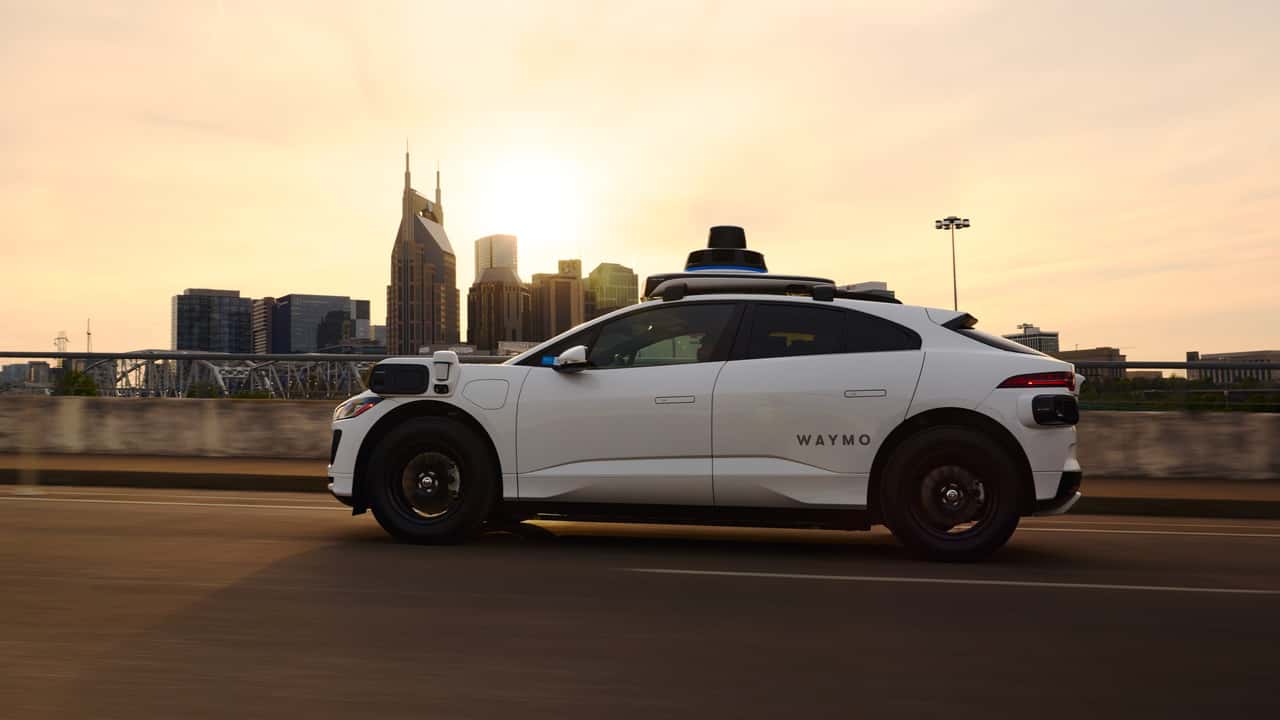 Photo by: Lyft
We have an idea of where Waymo is getting the money to fund this inevitably expensive endeavor. Last month, it locked in$5 billion in debt financing which it said it will use to "accelerate the continued expansion of our fully autonomous ride-hailing service across the United States and internationally."
Expanding means more than just buying up more Zeekr vans and outfitting them with computers and sensors. Waymo also needs teleoperators to steer remotely cars when they create a traffic jam, plus the infrastructure and operational might to operate a taxi service. Think folks back at the depots who vacuum the cars and plug them in to charge. Not everything is autonomous, after all.
Waymo has been steadily expanding its fleet of cars and the areas it operates in throughout 2026. As of September, Waymo was serving 15 major cities across eight states, making it by far America's most significant robotaxi operator. Waymo averages upwards of a half-million paid rides every single week. It's also testing services in London and Tokyo, with expansion announced for Canada, Singapore, and Spain.
To grow service in existing locations and expand to new ones, Waymo will need to scale its fleet considerably with help from partners like Hyundai and Geely. Hyundai recently said that it plans to make "tens of thousands" of Ioniq 5 robotaxis for Waymo, while Geely-owned Zeekr's boxy Ojai people movers have also started rolling out in three cities.
Tesla, by contrast, only started autonomous rides last year and isn't close to matching Waymo's current scale. If Waymo does manage to quintuple its driverless fleet in roughly the next year, the gap between it and the rest of the pack could grow even greater.
Waymo's Latest Safety Numbers Sure Make Human Drivers Look Bad
Hyundai CEO's Answer For The EV Slowdown: Build Robotaxis
Waymo Is Bringing Driverless Rides To Las Vegas
Waymo Just Made A New Friend In Nashville, And It's Not Uber
]]> contact@insideevs.com (Rob Stumpf) https://insideevs.com/news/812642/waymo-quintuple-fleet-5000-robotaxis/ https://insideevs.com/news/812647/boring-company-model-3-freight/ Tue, 20 Oct 2026 18:19:44 +0000 The Boring Company Uses Tesla Model 3 Sleds To Shuttle Shipping Containers Through Its Tunnels The shipping containers fit "like a glove."
The Boring Company found an interesting use for Tesla Model 3s that weren't being driven: use them as freight sleds. Back in August, the Elon Musk-backed company showed off a remote-piloted sled called a Liner Truck made using a Tesla Model 3 battery pack and powertrain. It brings preformed concrete tunnel segments through the tunnel to the boring machine. Now, though, TBC shows that it can even pull a standard shipping container through the tunnel, even if it only has about an inch worth of room to spare on either side.
TBC posted a clip to X, showing off the Liner Truck carrying a shipping container through the tunnel, and it looks like its top corners are going to scrape against the inside walls. A pebble in the pavement could cause a big enough bump to make the container and tunnel connect. So the Liner Truck better drive perfectly, but that will be tricky because the Liner Truck is remotely operated. TBC doesn't want anyone in the tunnels, as part of its Zero-People-In-Tunnel philosophy. So it might be tough to operate that Liner Truck and its freight with such a small margin of error.
The Liner Truck is a strong little thing, though. Despite using a Model 3 battery pack and powertrain, this little guy is capable of towing more than a some heavy-duty pickups. According to TBC, it can haul 22,000 pounds, which is how much each load of those preformed concrete tunnel sections weighs. That's about as much as an F-250 Super Duty with a Power Stroke V8.
Admittedly, the little Liner Truck can only go 12 mph while towing that much weight, and it has 28 miles of range. It is a Model 3 powertrain after all. But it isn't built for speed or distance, it's built to carefully, slowly bring heavy freight through very narrow tunnels.
With TBC just raising $3 billion in September, pushing its evaluation to $23 billion, it has a lot of tunneling to do. Most of that $3 billion came from the United Arab Emirates (UAE), so it now plans to dig 150 kilometers (93 miles) of tunnels there. Additionally, it just begun digging another 10 miles in Nashville, Tennessee. All of those tunnel-digging machines need those concrete tunnel liners, so they need more of these Liner Trucks if it wants to "solve traffic." That sound you just heard was all of our eyes collectively rolling, because TBC's only functional tunnels are the few miles worth in Vegas, but hey at least these little sleds are neat.
The Boring Company Raises $3 Billion To Help Put More Teslas In Tunnels
The Boring Company Connects LVCC Loop With The Las Vegas Strip
]]> contact@insideevs.com (Nico DeMattia) https://insideevs.com/news/812647/boring-company-model-3-freight/ https://insideevs.com/features/812051/your-parked-ev-loses-range/ Tue, 20 Oct 2026 16:44:40 +0000 How Much Range Do EVs Lose When Parked? (And How to Stop It) Your electric car can use energy without moving an inch. Here’s where those miles actually go and how much "vampire drain" is normal.
In normal conditions, modern EVs can lose 1% of their state of charge per day while parked, but it's often far less than that.
The main causes of "vampire drain" include security systems (like Tesla Sentry Mode), topping up the 12-volt battery, and thermal management that keeps the battery's temperature in a safe range.
Cold temperatures can also make your displayed range drop overnight without actual battery drain.
For times when you expect your EV to sit parked for an extended period, it's best to turn off unnecessary features (like Sentry Mode) and keep your car plugged in if possible.
You park your electric car with what looks like enough range for tomorrow’s errands. It stays still until the next morning. But when you get in, the display shows that you have fewer miles left than before. It didn’t move overnight, so where did the range go? And how much can you expect to reasonably lose?
Why Does an EV Lose Range Overnight?
There are two main explanations for EV range loss when parked: The car used electricity while parked, or its estimate of how far you can drive changed. Typically, both happen together. And the basics of how this happens can help you better predict and manage range loss, for example while your EV is parked for longer periods.
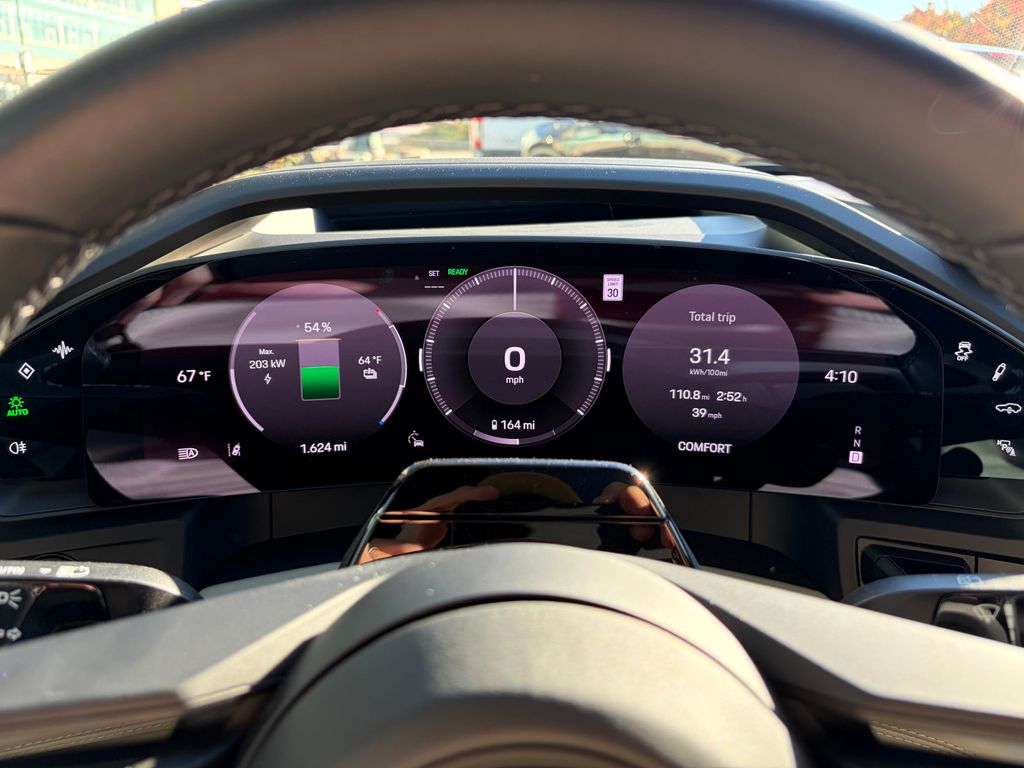 The Porsche Cayenne EV's display shows its remaining range while parked. Photo by: InsideEVs
How Electric Cars Calculate Remaining Range (It’s Just an Estimate)
First, lets look at how EVs predict range. It’s an estimate, not an exact measurement of how many miles the remaining charge can deliver. The latter would be impossible, since lots of factors can impact range, like how heavy your right foot is or if you decide to climb a steep incline.
Weather and Driving Behavior Impact Predictive Range
Some cars take more than just the battery's state of charge into account when estimating range. Ford’s Intelligent Range prediction, for example, considers past driving behavior and the weather forecast. If conditions change overnight, the same charge can cover a different distance, even if the car hasn't moved an inch. If you get into your car on a frigid morning, the range indicator may show fewer miles since the car expects extra energy usage from running the heat.
(In the cold, some stored energy can also become temporarily unavailable. Tesla indicates this with a blue snowflake and a blue portion of the battery meter.)
Tesla’s main mileage display instead uses rated efficiency, with more personalized predictions available through its Energy app. The point is that different cars do the math differently.
What Causes "Vampire Drain" or "Phantom Drain" in Parked EVs?
Switching off an EV doesn’t shut down every system, and EVs do use some of their stored electricity while parked. This is sometimes referred to as “vampire drain” or “phantom drain,” but there’s nothing supernatural about it. Tesla’s Model 3 manual, for example, says the car periodically draws energy for system checks and to recharge its 12-volt battery.
Systems and Features That Consume Energy While Idle
Camera surveillance, cabin climate control, and powered accessories can also keep running after you lock the car and walk away. Tesla explicitly warns that Sentry Mode, which uses the car's exterior cameras to constantly monitor and record its surroundings, increases electricity consumption.
Even checking on the car can drain the battery. Tesla’s Model Y guide warns that checking vehicle status through its app wakes the car and starts normal energy consumption. App behavior varies by vehicle and software, but repeatedly waking up a parked EV can make it use more juice.
How Temperature and Battery Self-Discharge Play a Role
Temperature extremes are another contributor to standby battery drain, since most EVs use their battery management system (BMS) to keep the cells within a safe temperature range. Vehicles with active battery cooling (virtually all new EVs) may run pumps, fans, or a compressor to manage pack temperature in hot weather. In cold temperatures, too, a car's thermal management system may kick in to keep the battery from getting too cold.
Cells also gradually lose charge through internal chemical processes, known as self-discharge, though it's very low in lithium-ion batteries.
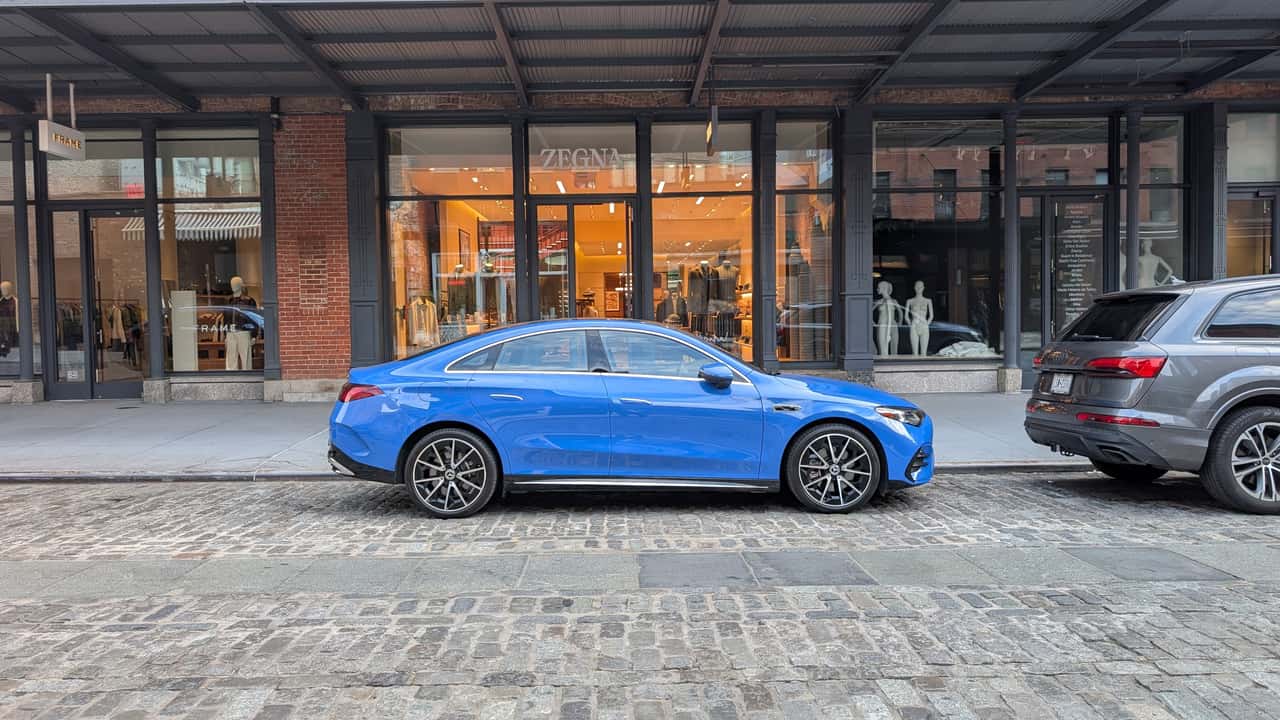 Photo by: Suvrat Kothari
How Much Range Do EVs Actually Lose When Parked?
So, how long can an EV sit parked without dying? There’s no universal daily drop to expect, since it varies by vehicle, battery chemistry, and how the thermal management system works. Tesla says that a Model 3 can lose about 1% of its state of charge per day, but says weather conditions and vehicle settings can change that.
Real-World Airport and Cold-Weather Range Loss Examples
But anecdotal evidence points to a much more modest daily drain. Former InsideEVs Editor-in-Chief Patrick George left his Kia EV6 unplugged in a cold garage for nearly a month, and its indicated state of charge only dropped from 80% to 78%.
One Redditor said they left their 2021 Model 3 at the airport for four days in average temps of 35 degrees and that the car's state of charge only dropped by 1%. (They didn't have Sentry Mode on.) Similarly, one Nissan Ariya owner said their EV lost only 1% state of charge after being parked at the airport for 3 weeks.
On the other end of the spectrum, older EVs with less sophisticated thermal management systems may fare more poorly. Some Chevy Bolt owners, for example, have reported energy loss of several percentage points per day in extremely cold temperatures.
Tips to Minimize Battery Drain When Leaving Your EV Parked
If you're leaving an EV parked at the airport or leaving your car sitting for an extended period, there are some steps you can take to manage battery drain and avoid a bad day. Make sure it has enough charge so it doesn’t drain the battery entirely, using Tesla's 1% per day rule as a general guideline. You can also switch off battery-draining features like Sentry Mode, and avoid waking the car up from your phone app.
Of course, there's one surefire way to preserve your EV's battery when it sits idle for a long time: keep it plugged in. That's what Tesla suggests.
"The most important way to preserve the high voltage Battery is to LEAVE YOUR VEHICLE PLUGGED IN when you are not using it. This is particularly important if you are not planning to drive Model 3 for several weeks," Tesla says in the Model 3's manual.
What Is One-Pedal Driving In An EV And Why Does It Matter?
You Can Live With Less DC Fast Charging. Here's How
What Is Lithium And Why Is It Vital For Electric Cars?
How To Maximize An Electric Car's Highway Range
]]> contact@insideevs.com (Andrei Nedelea) https://insideevs.com/features/812051/your-parked-ev-loses-range/ https://insideevs.com/news/812617/leapmotor-begins-european-production-stellantis/ Tue, 20 Oct 2026 14:16:42 +0000 This Chinese EV Is Now Made In Europe. More Are Coming Stellantis is building Leapmotor’s B10 electric crossover in Spain, with a second model ready to join it next year. Leapmotor has started building the B10 in Spain, with the B05 expected to follow in early 2027. Leapmotor previously assembled the T03 in Poland using Chinese kits, but production ended in March 2025. Chinese brands are expanding European production through local partners, existing factories and new plants.
Chinese automakers don’t necessarily need to build factories to start making cars in Europe. Sometimes, a European manufacturer already has the space and is happy to help. That’s what’s happening in Spain, where Stellantis has started building the Leapmotor B10 electric crossover and is preparing to add another model.
The companies officially started B10 production at Stellantis’ Zaragoza plant on October 16. This fulfills Leapmotor’s Spanish production plans announced earlier this year, giving the Chinese brand a manufacturing base in a major overseas market and, by extension, the entire European Union. Stellantis says it chose the facility for its available capacity, manufacturing expertise and quality.
Next to start production in Zaragoza is the B05 electric hatchback. Leapmotor confirmed its production allocation yesterday but without specifying a start date. Spanish news agency EFE reports the launch in the first quarter of 2027.
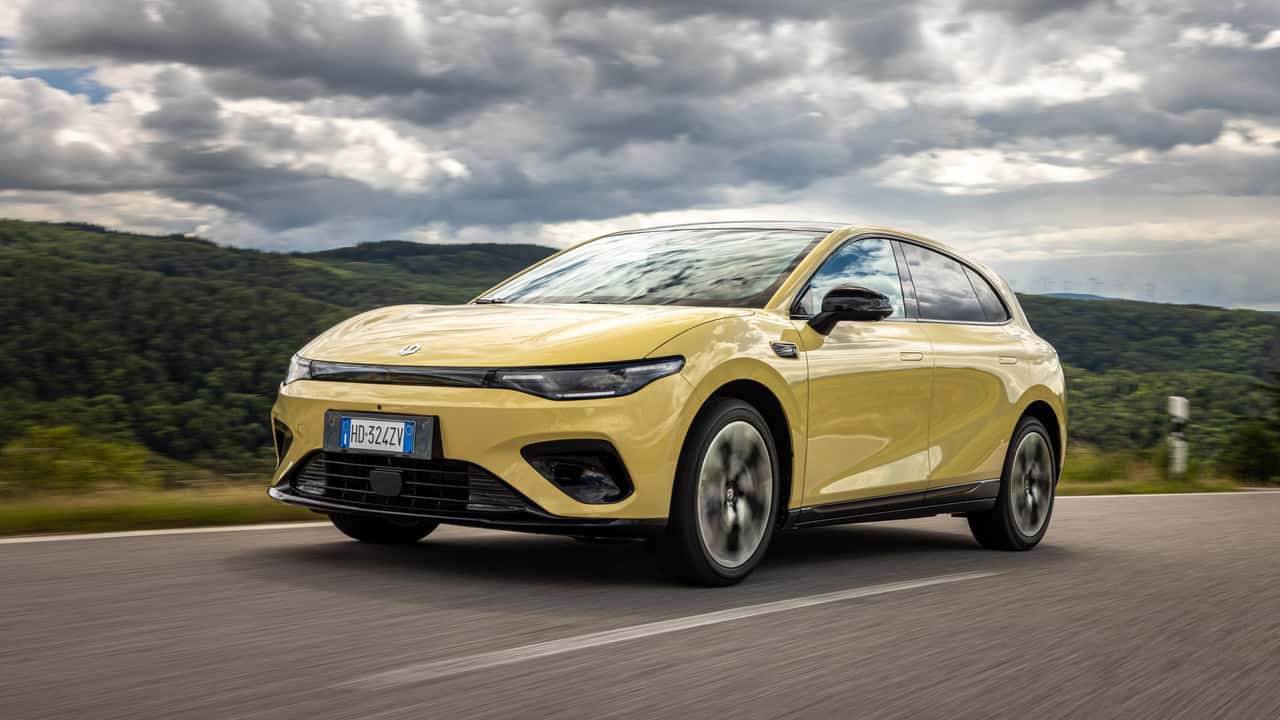
Leapmotor B05
Photo by: Leapmotor
This isn’t Leapmotor’s first attempt at European production. The tiny T03, which surprised us with its value and driving manners, was previously assembled at Stellantis’ Tychy factory in Poland. That operation started in 2024, using semi-knocked-down kits shipped from China.
Stellantis controls 51% of its joint venture with Leapmotor, giving it rights to manufacture and sell its vehicles outside China. The Polish T03 experiment was short-lived, though, and Stellantis ended T03 assembly on March 30, 2025, without explaining why.
Leapmotor is far from the only Chinese automaker looking to establish a manufacturing presence in Europe. BYD is building its own massive factory in Hungary, while Xpeng turned to contract manufacturer Magna in Austria. GAC followed Xpeng’s lead, bringing new work to a facility that previously assembled the Fisker Ocean.
Existing factories can also offer a route back into production after their previous occupants leave. Chery partnered with Ebro to use Nissan’s former Barcelona plant. Audi’s shuttered Brussels factory illustrates why those possibilities shouldn’t be mistaken for completed deals, though. Nio reportedly wanted to take it over, although its CEO denied the plans, and in September a property company was announced as the buyer.
For European automakers, Chinese expansion now presents an awkward choice: compete with these brands, build their cars, or do both. Stellantis has chosen the third option. At Zaragoza, a Chinese competitor’s growth is also keeping the factory lights on.
China Agrees To Limit Hybrid Imports To EU To 350,000 Annually
Even China’s Truck Makers Are Building EVs In Europe Now
Dacia’s Tiny EV Keeps Its Name, But Not Much Else
China’s Rolls-Royce Rival May Have Found A Shortcut Into Europe
]]> contact@insideevs.com (Andrei Nedelea) https://insideevs.com/news/812617/leapmotor-begins-european-production-stellantis/ https://insideevs.com/news/812603/gm-brownstown-ev-battery-plant-closure/ Tue, 20 Oct 2026 12:29:17 +0000 GM Is Closing Its Detroit EV Battery Plant The facility used to make batteries for the Cadillac Celestiq luxury sedan, as well as drive units for the Chevy Corvette E-Ray. GM's Brownstown Battery Assembly plant will be closed. The facility used to manufacture batteries and drive units for the Chevrolet Corvette E-Ray, as well as battery packs for the Cadillac Celestiq. The move is part of GM's bigger shift in manufacturing, where it is now prioritizing gas vehicles,
General Motors is shutting down its 480,000-square-foot battery assembly plant in Detroit, which used to supply high-voltage batteries for the Cadillac Celestiq EV and the Chevrolet Corvette E-Ray, as well as drive units for Chevy’s electrified two-door sports car.
The Brownstown Battery Assembly facility, which was opened in 2009, will be decommissioned by next summer when the lease ends, according to Automotive News, quoting a person familiar with the situation. General Motors confirmed the closure for InsideEVs, adding that the factory's activity will be moved to other facilities. "The lease on the Brownstown Battery Assembly plant is ending next year, and GM is planning to transition this work to other nearby GM facilities," a company spokesperson told InsideEVs.
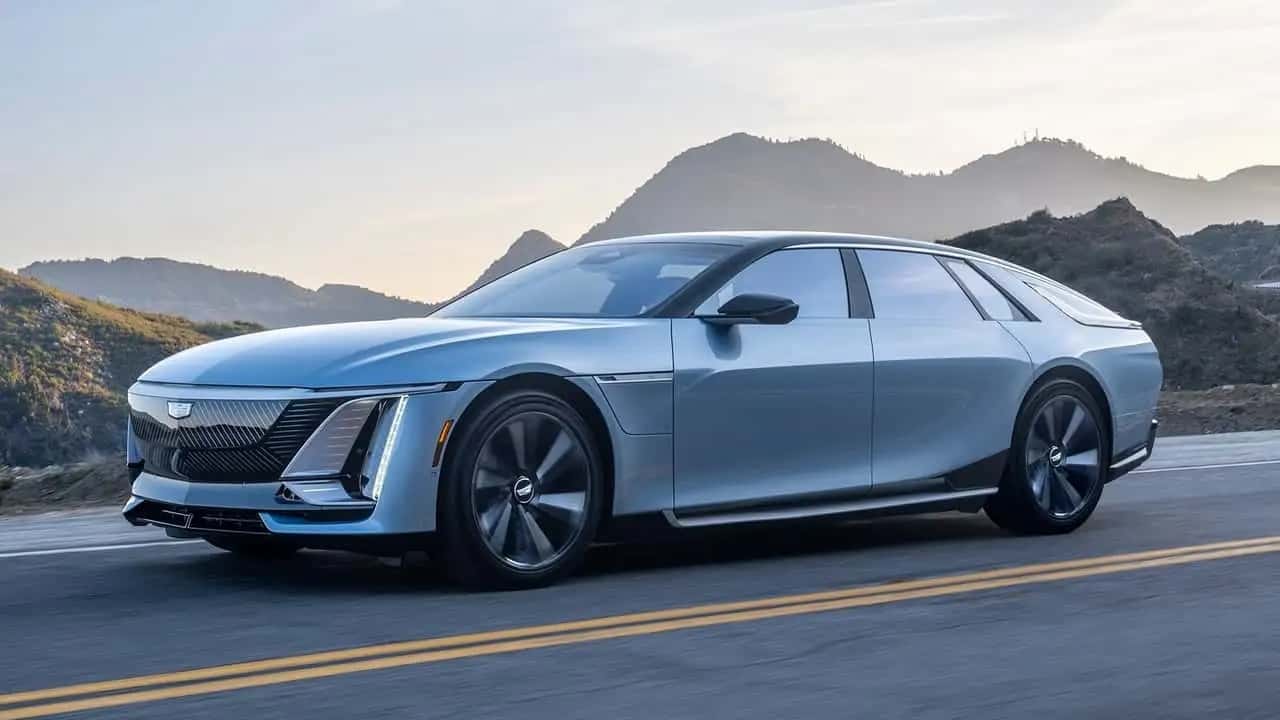
The exclusive and very expensive Cadillac Celestiq used to get its high-voltage batteries from Brownstown.
Photo by: Cadillac
The move comes as the American automaker continues to absorb billions of dollars in losses associated with the shift in its powertrain strategy. While the company continues to build EVs, its attention has shifted to making more gas-powered vehicles. Earlier this year, GM exited a battery factory joint venture with Samsung SDI, leaving the Korean company in full control of the upcoming facility in Indiana. In 2024, the automaker pulled out of a $2.5 billion battery plant in Lansing, Michigan, leaving LG Energy Solution at the helm.
The Detroit factory’s employee count went from around 300 at its peak to less than a dozen when the company reduced output due to weaker-than-expected demand. Affected workers were notified earlier this year and have been offered jobs at other facilities in the area.
In addition to the battery plant closure, General Motors is also looking to give its shuttered hydrogen fuel cell facility in Detroit a new lease on life. Initially, the plant was destined to develop a new fuel cell system that would have eventually powered at least two vehicles—one from GM and one from Honda—but the deal went belly up because there was no clear path to profitability.
However, when the partnership was still standing, GM shook hands with Piston Automotive, which involved a $55 million investment, 150 new jobs, and a 300,000 sq ft facility. GM recently took over the long-term lease of the building from Piston, according to Automotive News. GM said it is evaluating other uses for the site, but it has not made any decisions.
After the $7,500 federal tax credit went away last year, the entire automotive industry had to reconsider its choices, and GM was hit extremely hard. During the third quarter, the American company sold 25,472 EVs stateside, a steep drop compared to the 66,501 units shipped during the same period last year. Granted, last year’s Q3 included the massive wave of buyers who wanted to take advantage of the now-canceled tax credit, but the automaker’s numbers never recovered.
Updated with a statement from a GM spokesperson in the second paragraph.
General Motors Just Took A Big Step Towards Its Next-Gen EV Battery
Inside The $2 Billion Battery Factory Making Cells For Tesla And Toyota
GM And LG Restart EV Battery Production In Ohio After Seven-Month Shutdown
Rivian's Factory Will Run On Its Own Used EV Batteries
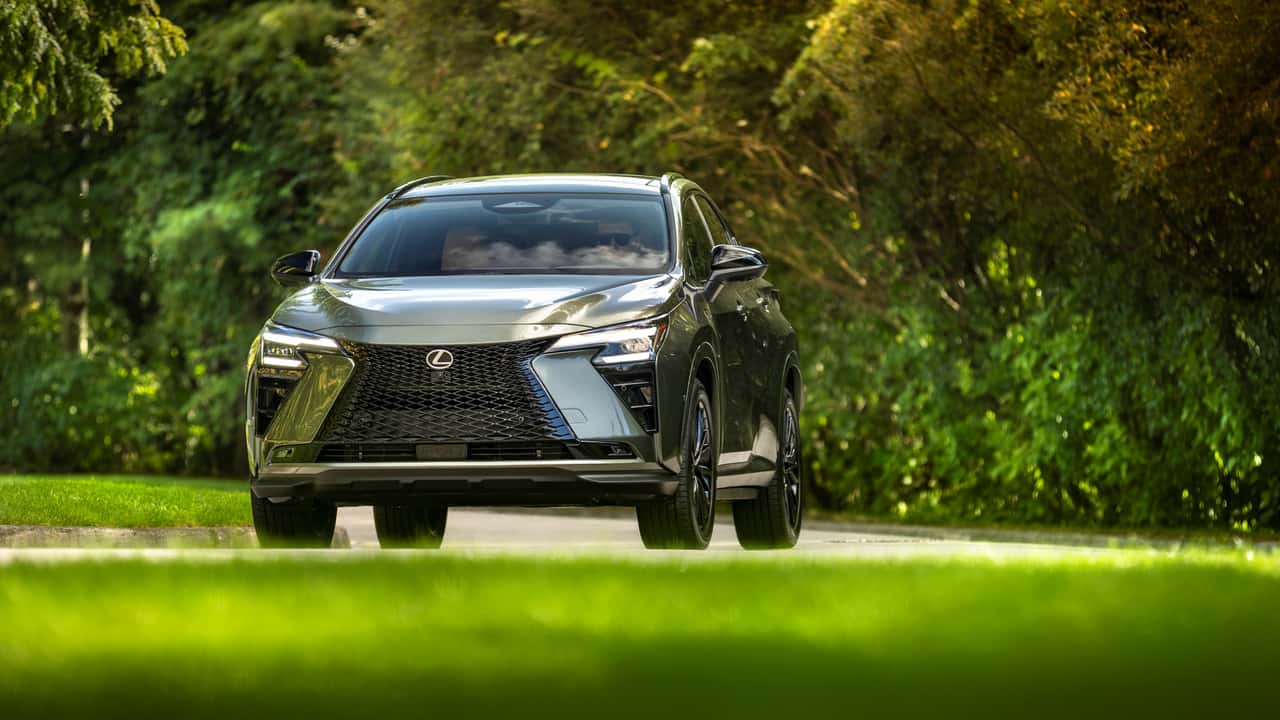
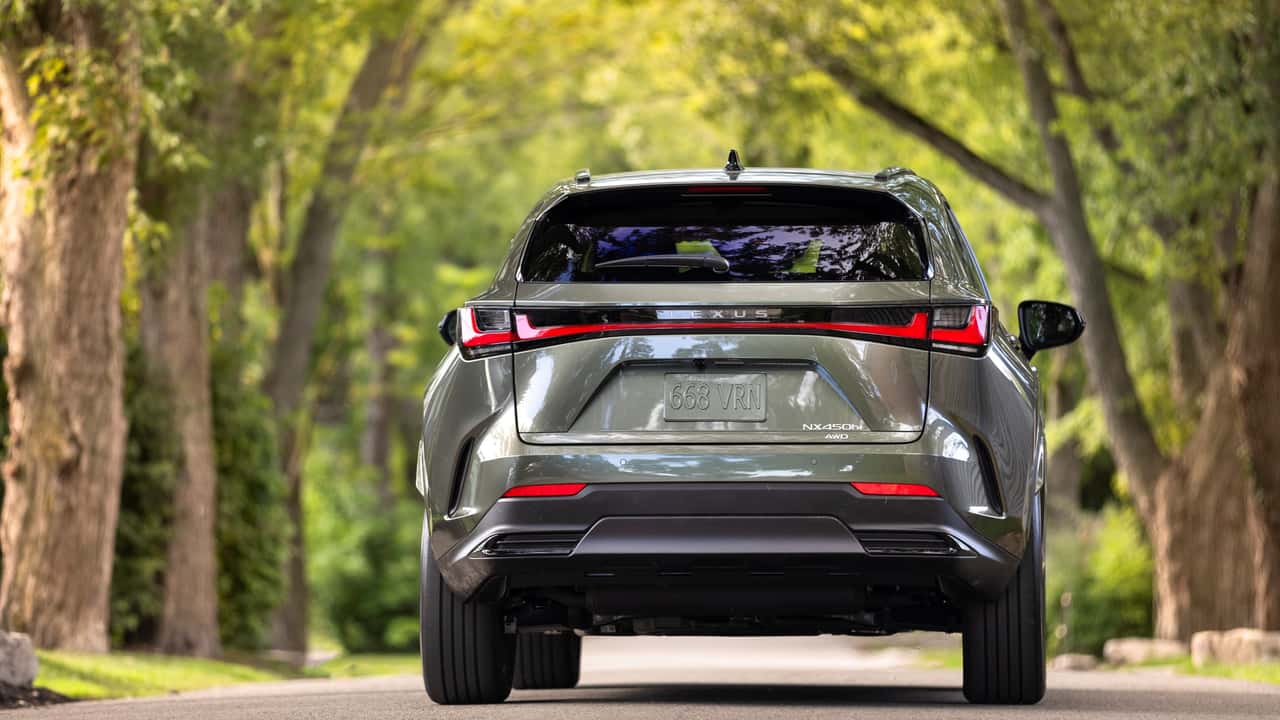
]]> contact@insideevs.com (Iulian Dnistran) https://insideevs.com/news/812603/gm-brownstown-ev-battery-plant-closure/ https://insideevs.com/news/812539/2027-lexus-nx-hybrid-plug-in-hybrid-specs-range-official/ Tue, 20 Oct 2026 11:00:00 +0000 The 2027 Lexus NX Plug-In Hybrid Gets A Bigger Battery And Fast Charging Lexus axed the gas-only NX, leaving only the hybrid and plug-in hybrid versions. The 2027 Lexus NX is available with electrified powertrains exclusively. On the NX 450+ plug-in hybrid, the battery gets a capacity bump and fast charging through a native NACS port. More power and a longer all-electric range are also on the list of improvements.
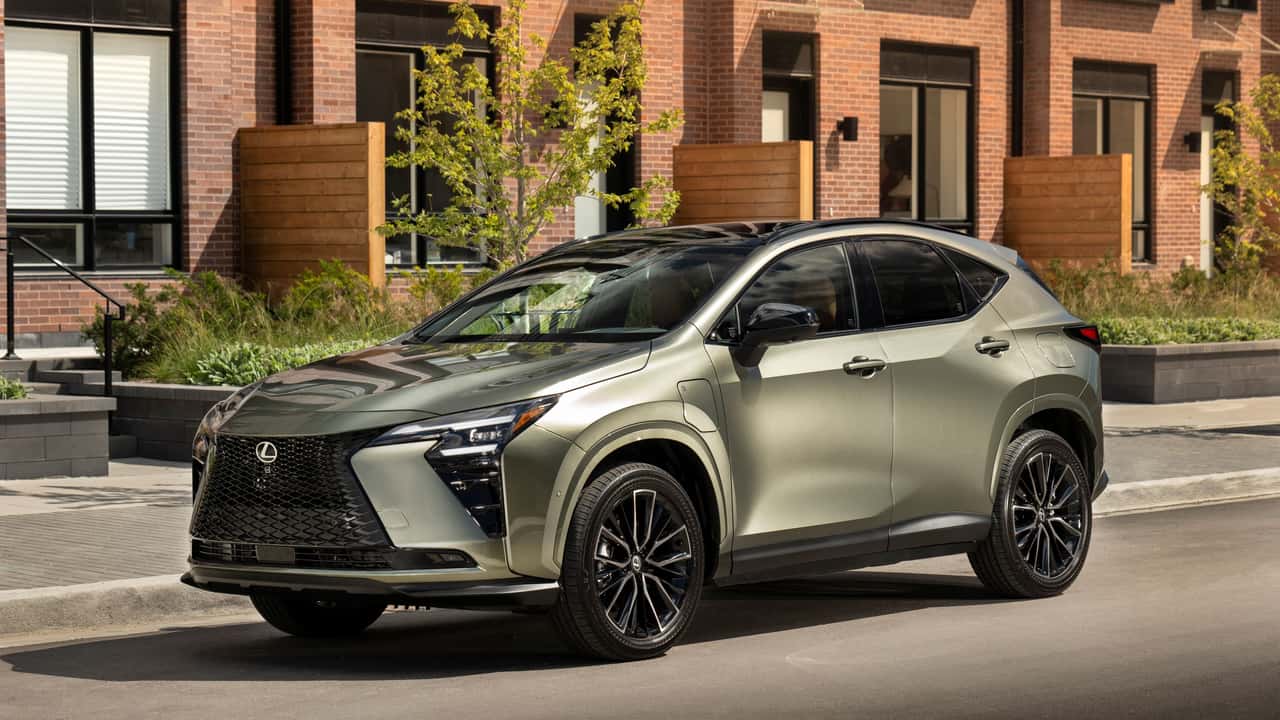
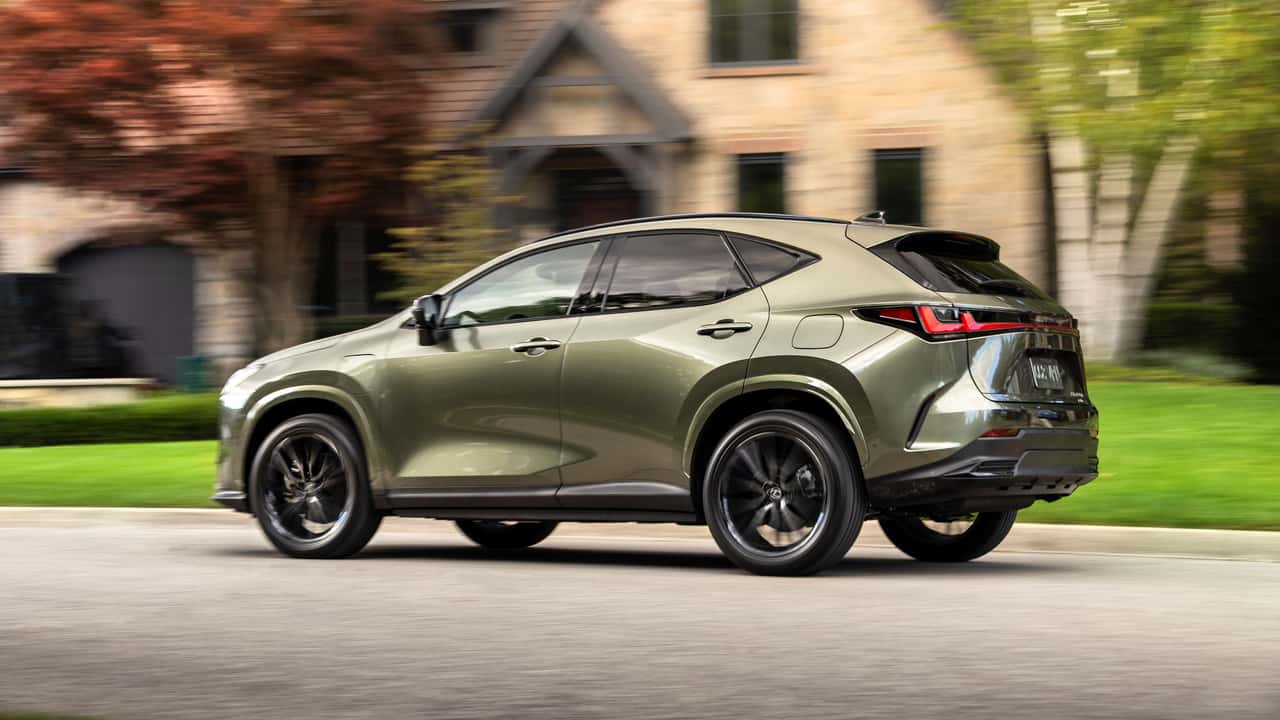
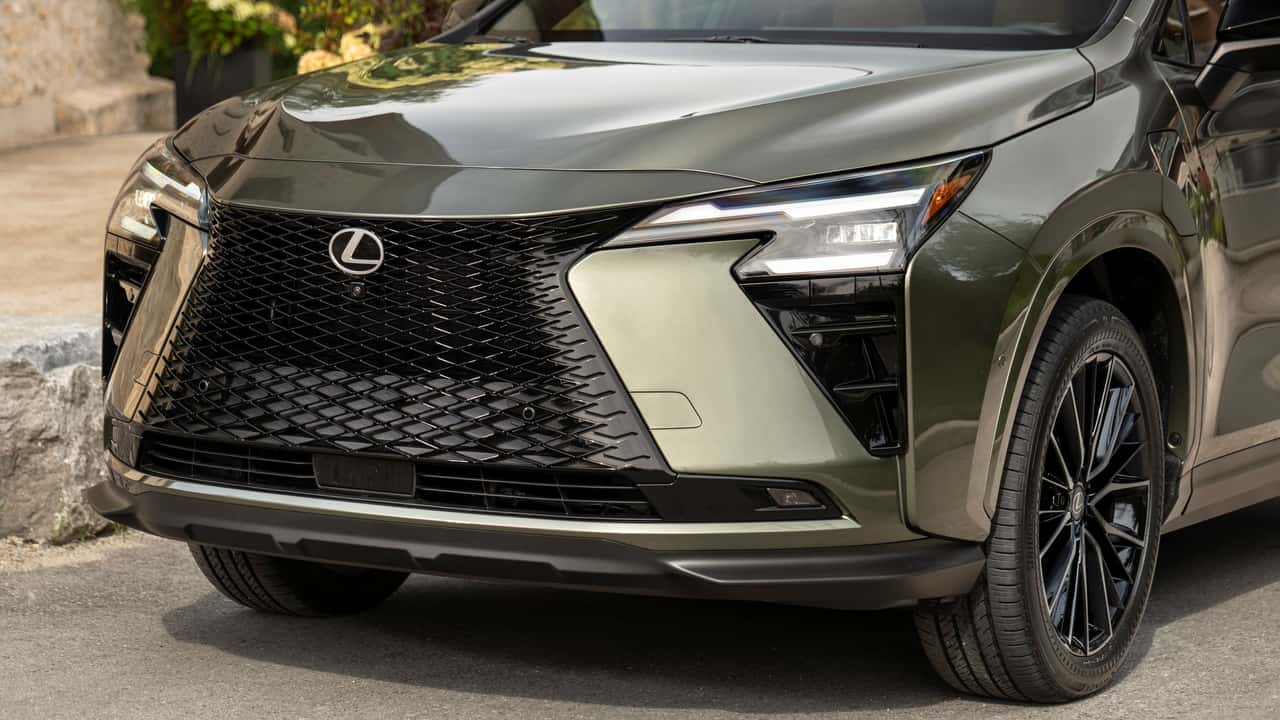
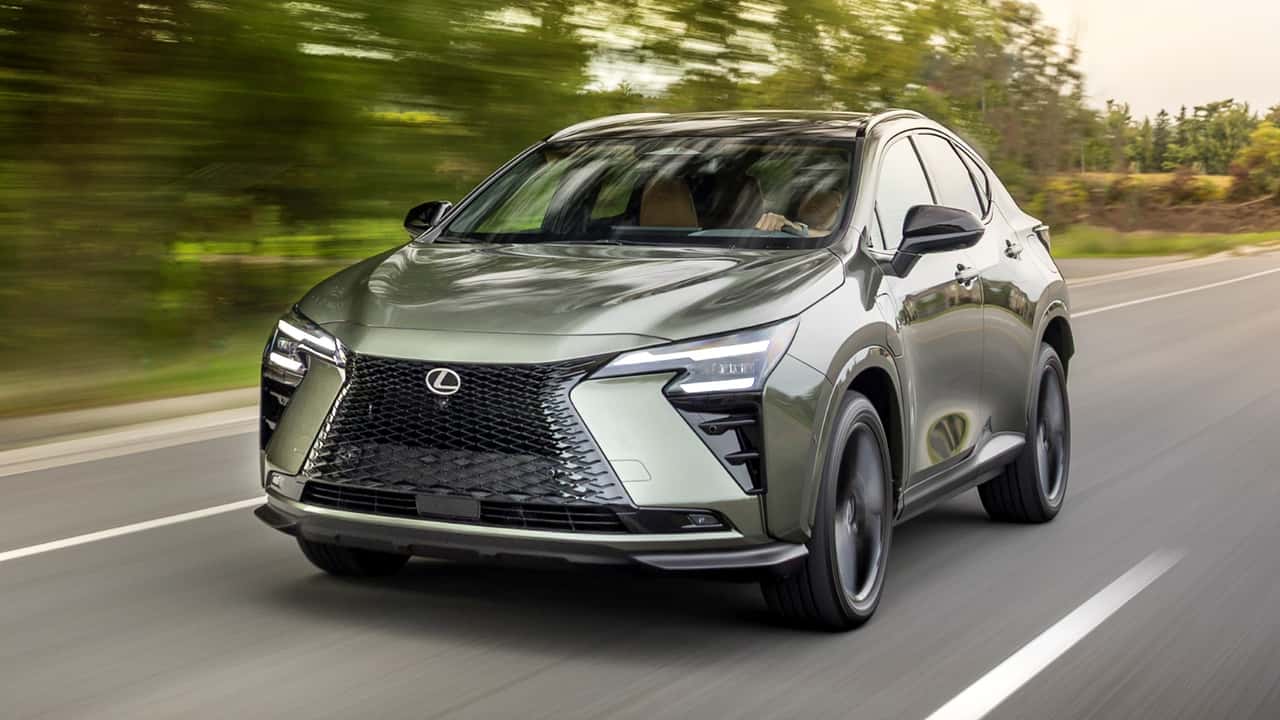
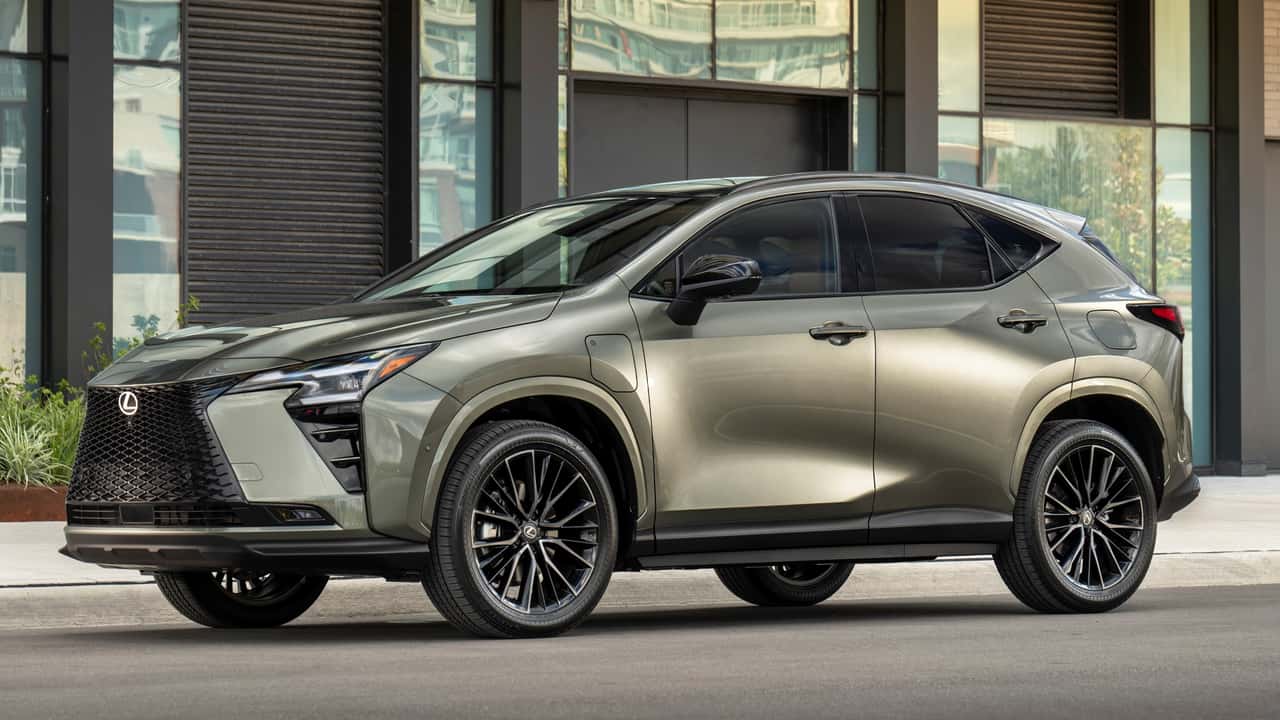
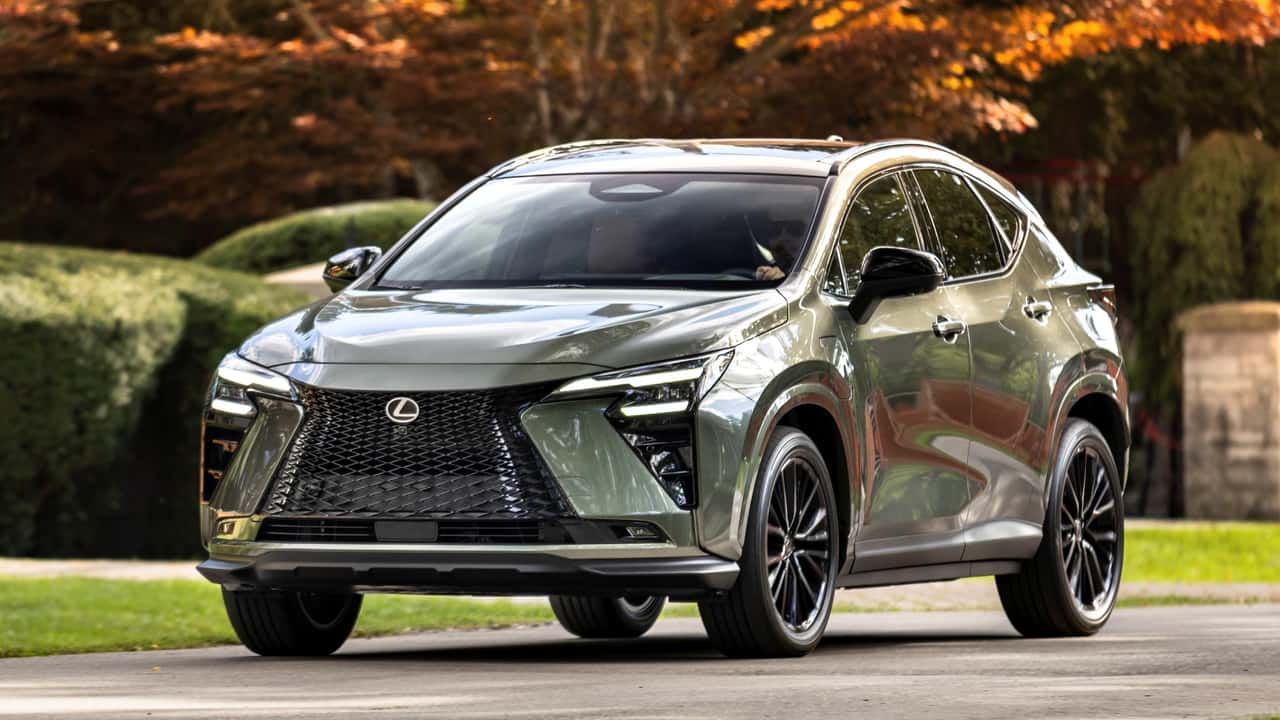
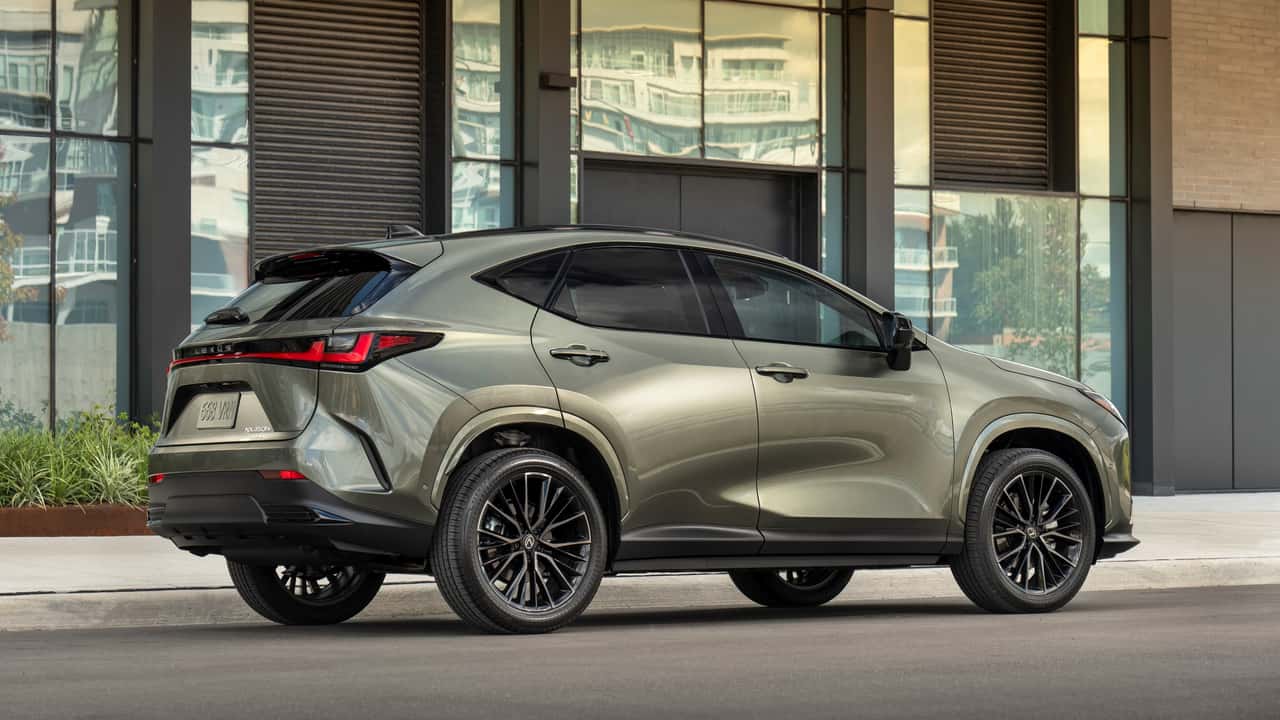
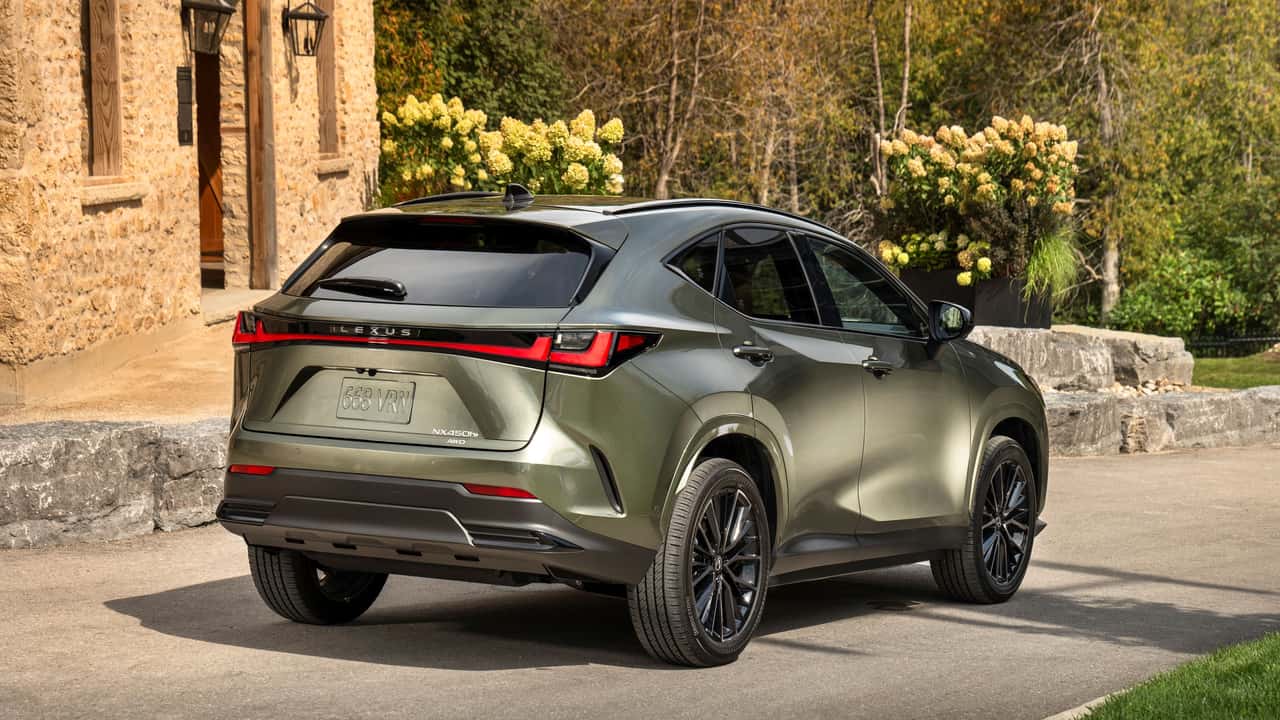
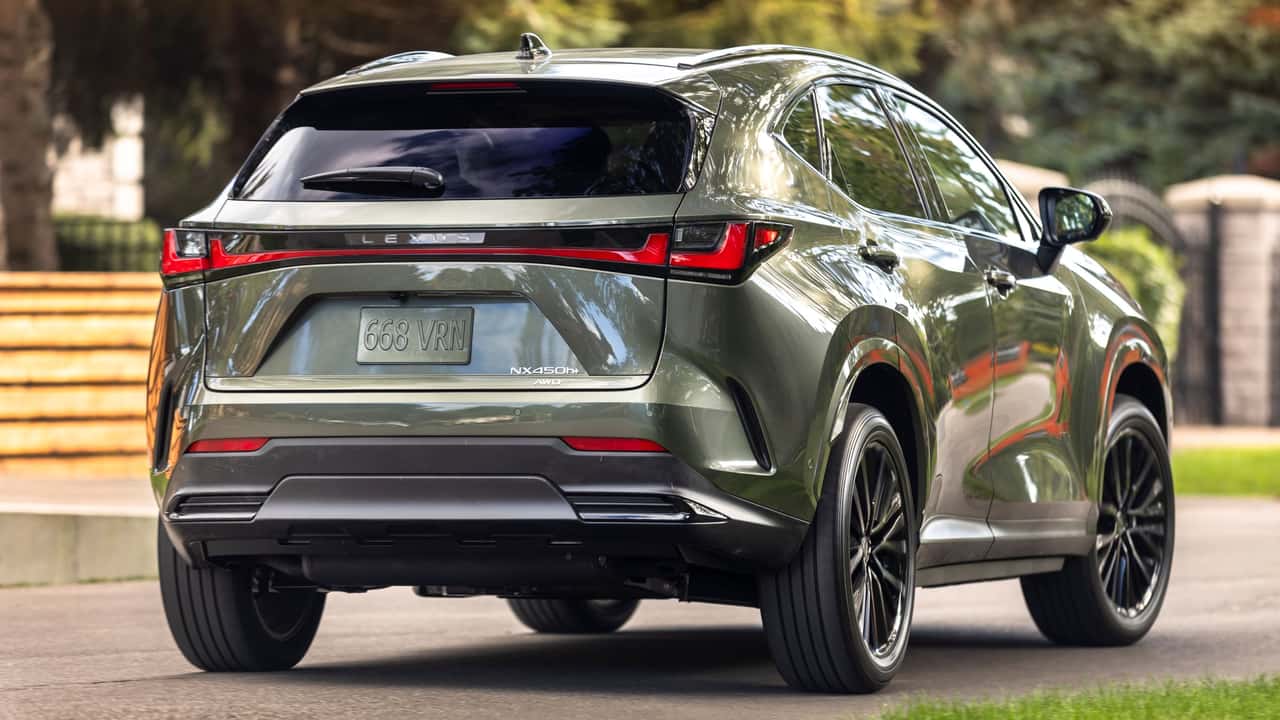
The Lexus NX compact crossover is getting a makeover for 2027. The gas-only version has been scrapped from the lineup, leaving just the hybrid and plug-in hybrid powertrains on the table—and both get improvements.
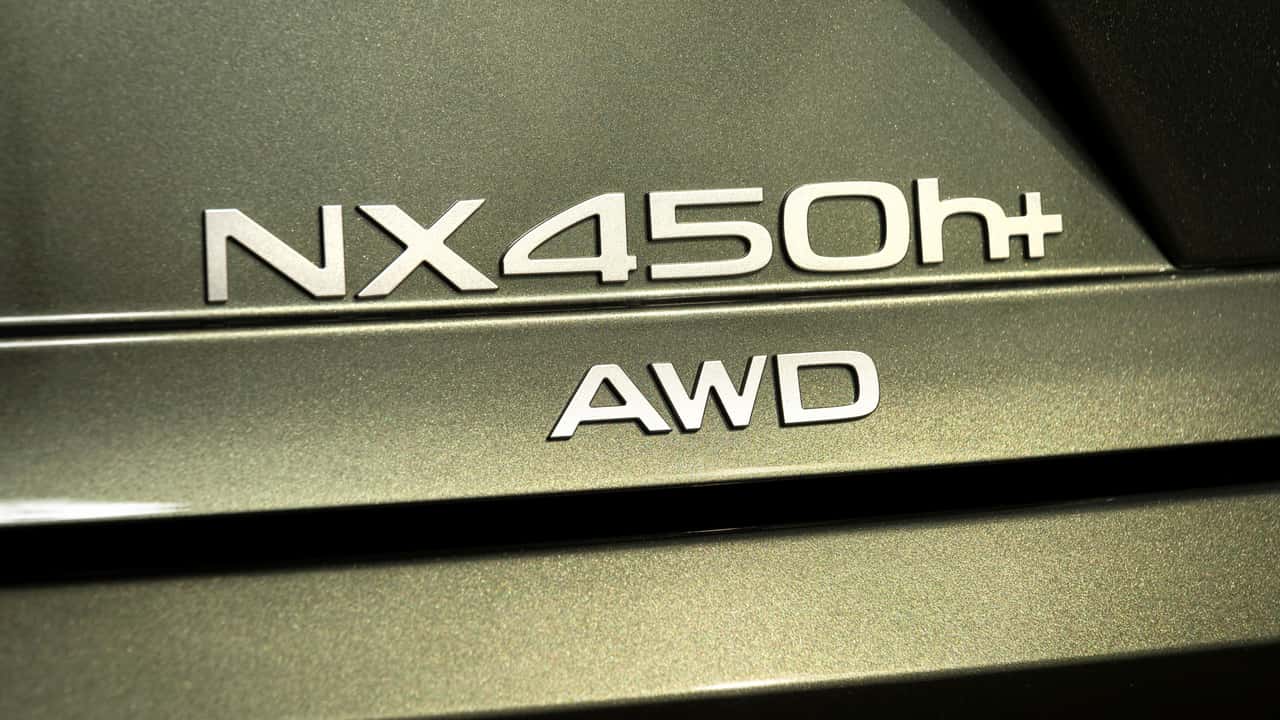
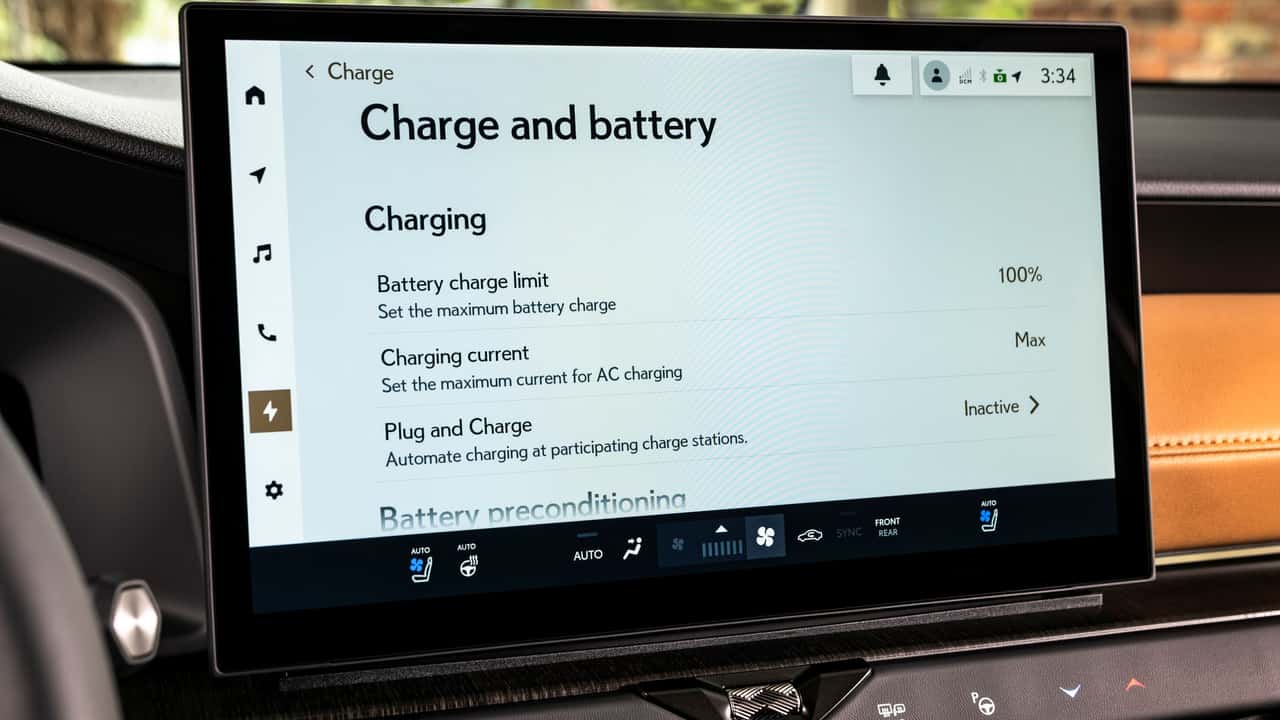
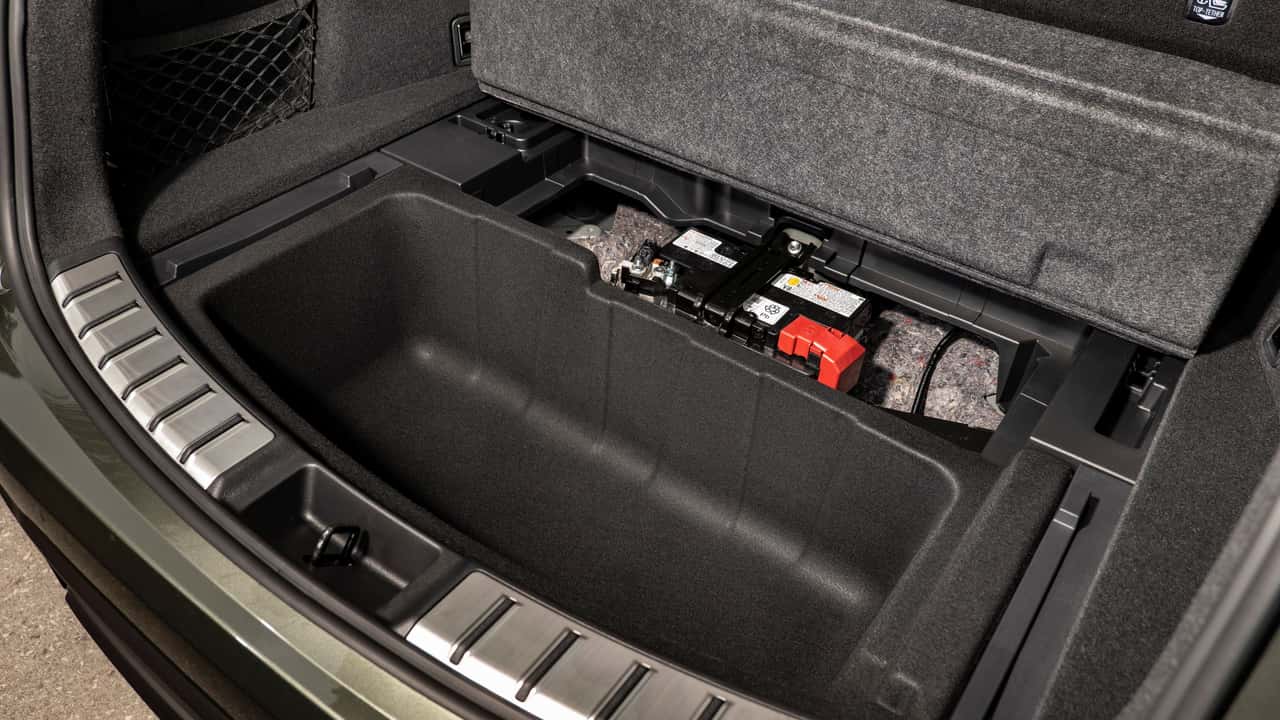
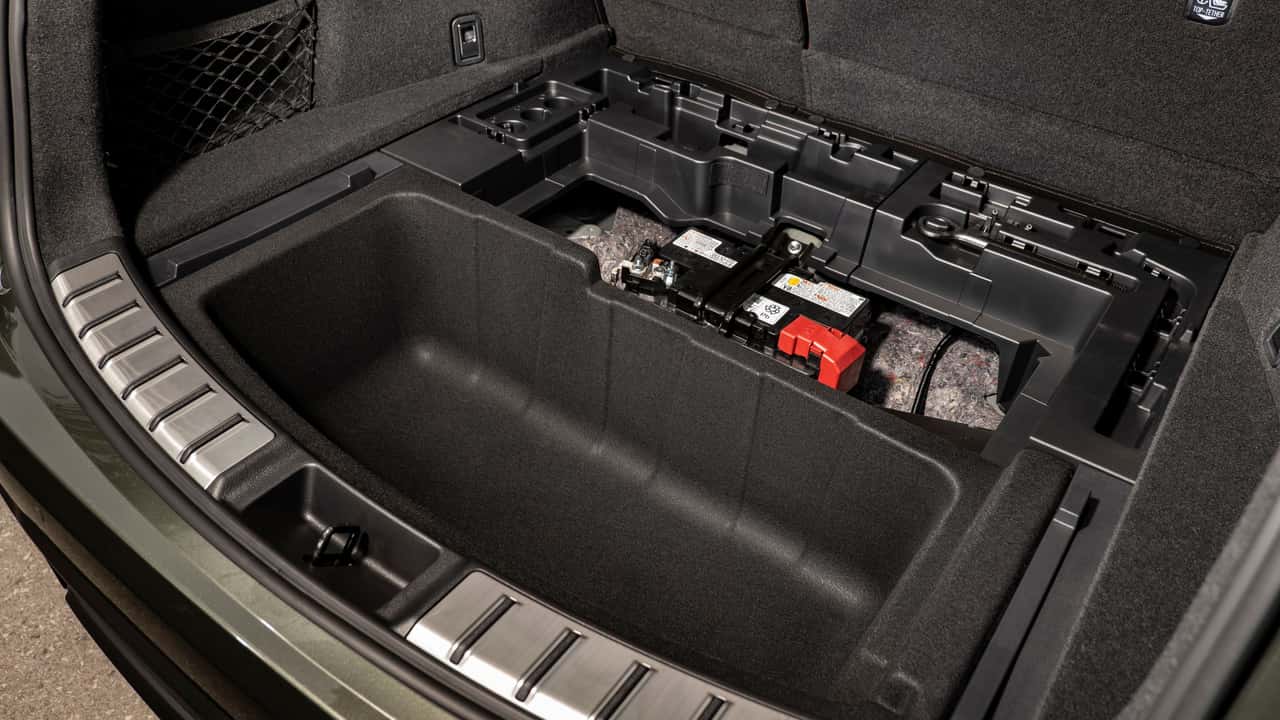
A larger-capacity high-voltage battery enables a longer all-electric driving range on the 2027 Lexus NX 450h+ plug-in hybrid. What’s more, a native Tesla-style NACS charging port can now handle DC fast charging, significantly slashing waiting times.
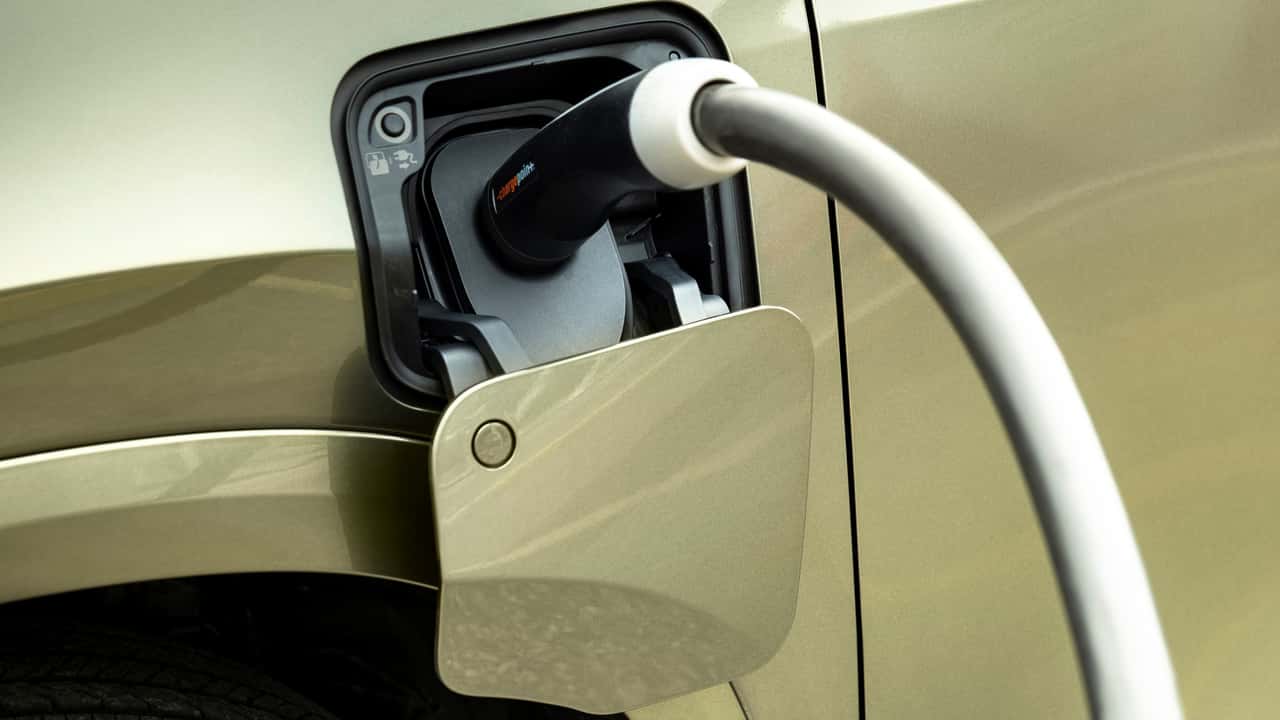
The 2027 Lexus NX 450h+ gets DC fast-charging capabilities for the first time. In North America, it will come with a NACS charging port.
Photo by: Lexus
The plug-in crossover gets a 22.7-kilowatt-hour battery pack, up from the outgoing model’s 18.1 kWh, enabling a manufacturer-estimated 45 miles of range on electricity. That’s eight miles more than the previous model.
When it comes to charging, Lexus said the new NX 450h+ can go from 10% to 80% in 35 minutes when hooked to a 50-kilowatt DC fast charger. On AC charging, using a 6.6 kW 240-volt charger, the crossover needs two and a half hours to go from 10% to 100% state of charge.
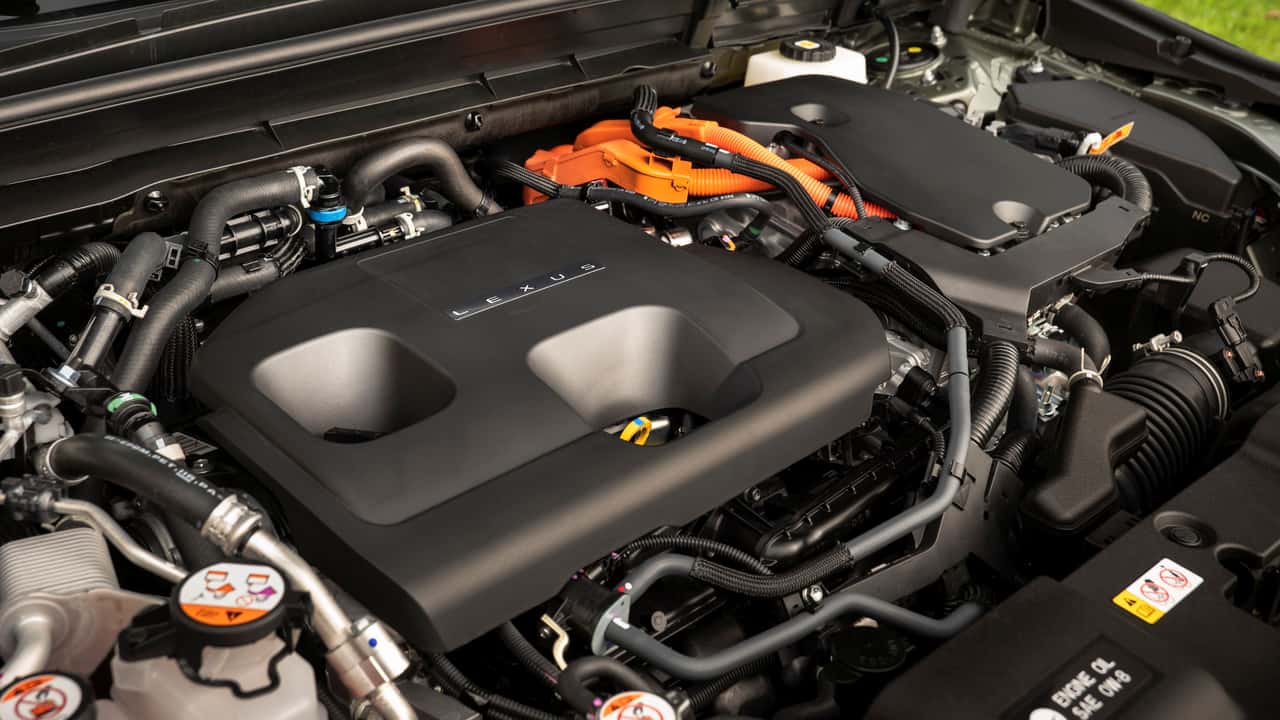
Power is also up compared to the previous model. The NX 450h+ PHEV comes standard with electric all-wheel drive and delivers a combined system output of 324 horsepower, up from 304 hp in the 2026 model. The gain in power is mainly attributed to the front motor-generator, which now makes 203 hp instead of 180 hp. Meanwhile, the 2.5-liter gas engine delivers 186 hp, and the rear-axle electric motor is good for 54 hp.
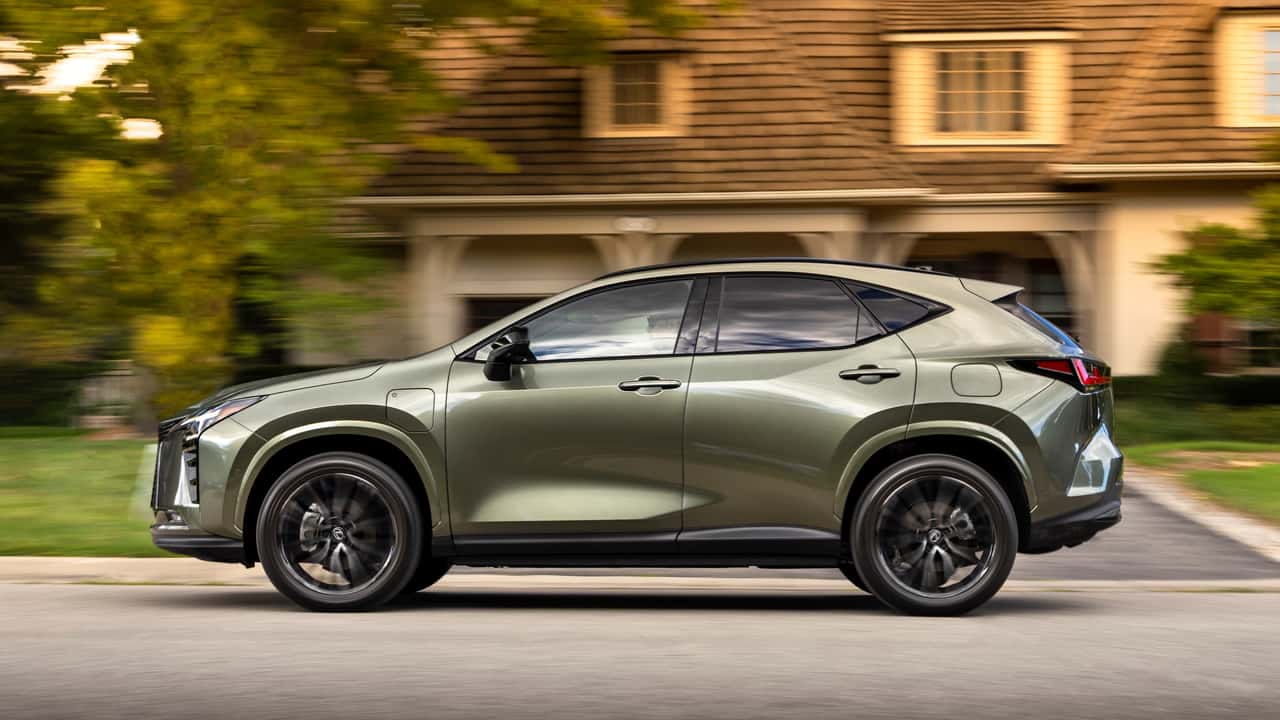 Photo by: Lexus
According to Lexus, the new NX plug-in hybrid can accelerate from zero to 60 miles per hour in 5.7 seconds and on to a top speed of 124 mph.
The 2027 Lexus NX 350h hybrid also gets a small power bump, reaching a combined output of 244 hp, 4 hp more than before. Weirdly enough, this figure applies to both the front- and all-wheel-drive versions, though the AWD hybrid model can accelerate slightly quicker than its FWD brother, with a 0-60 mph time of 6.7 seconds, compared to the front-powered model’s 6.9 seconds.
The hybrid model’s front motor-generator makes 160 hp, with an additional 54 hp coming from the rear motor on the AWD version. Lexus said it redesigned the hybrid system to rely more on the electric motor-generators and deliver a more torque-rich feel. That said, the 1.1 kWh battery is unchanged from the previous model.
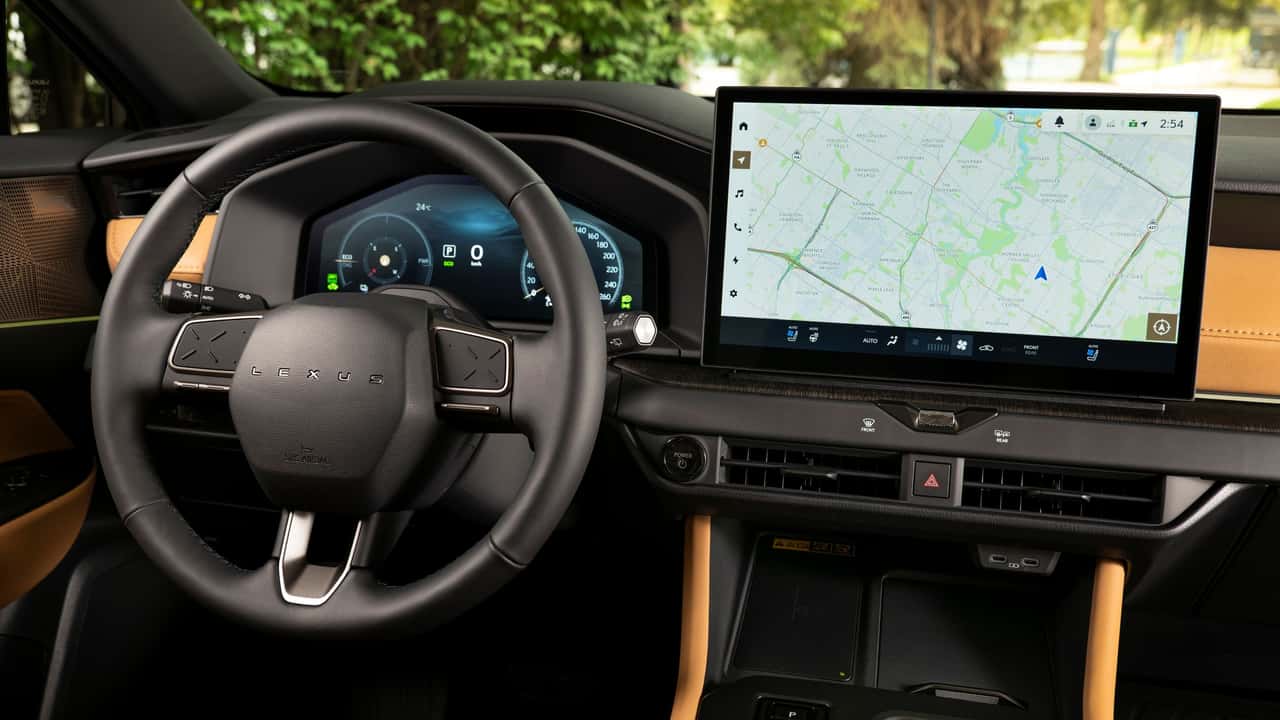 Photo by: Lexus
Under the skin, the 2027 NX’s suspension and steering have been revised, and the chassis rigidity has been improved, which should lead to a better driving experience, Lexus said.
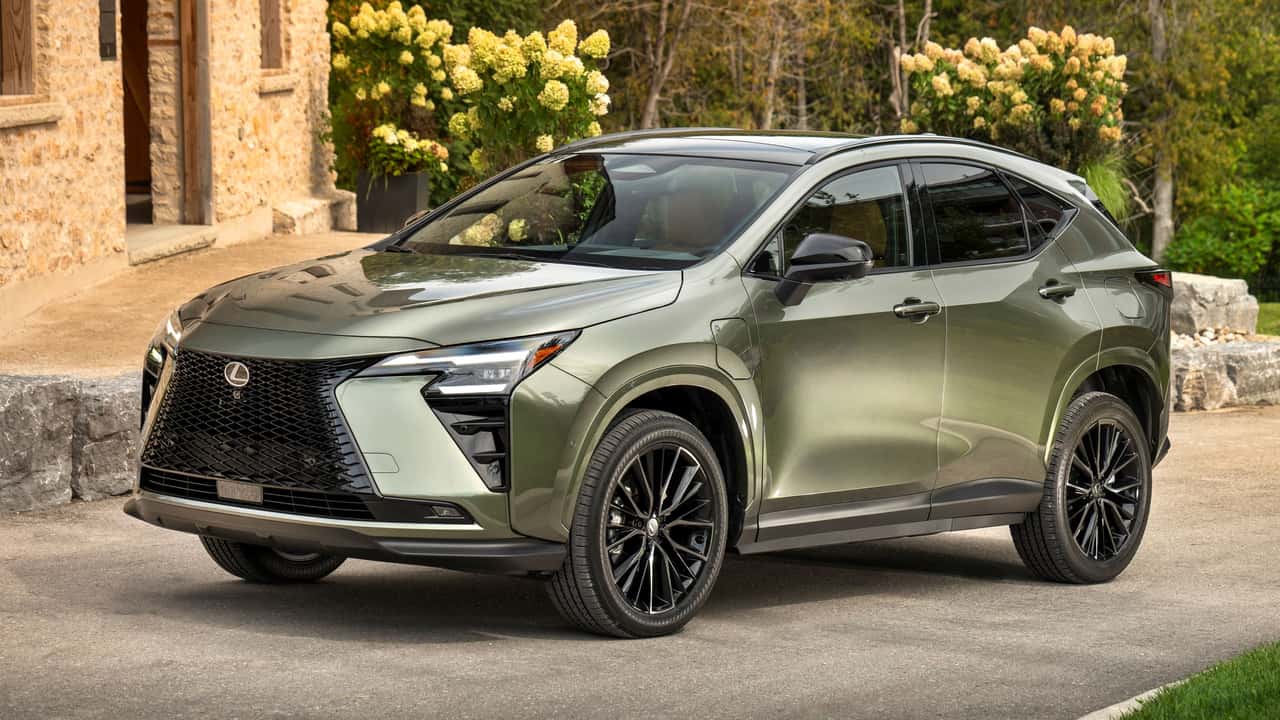
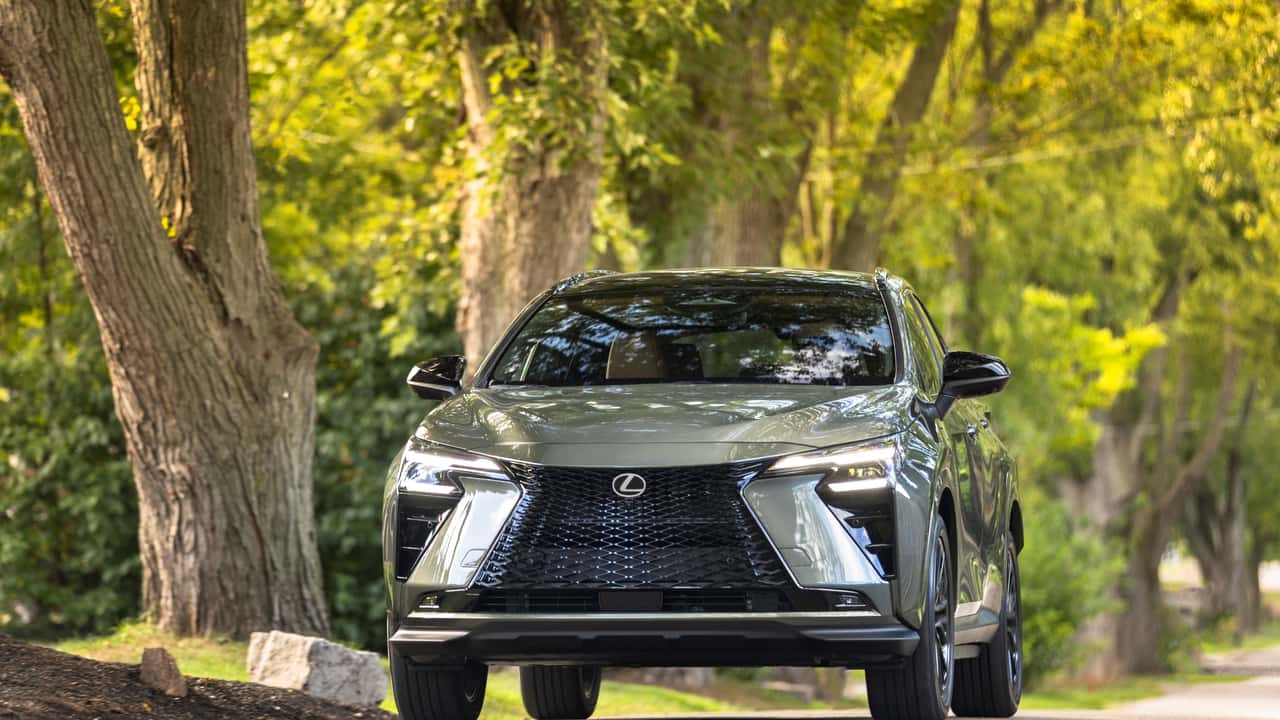
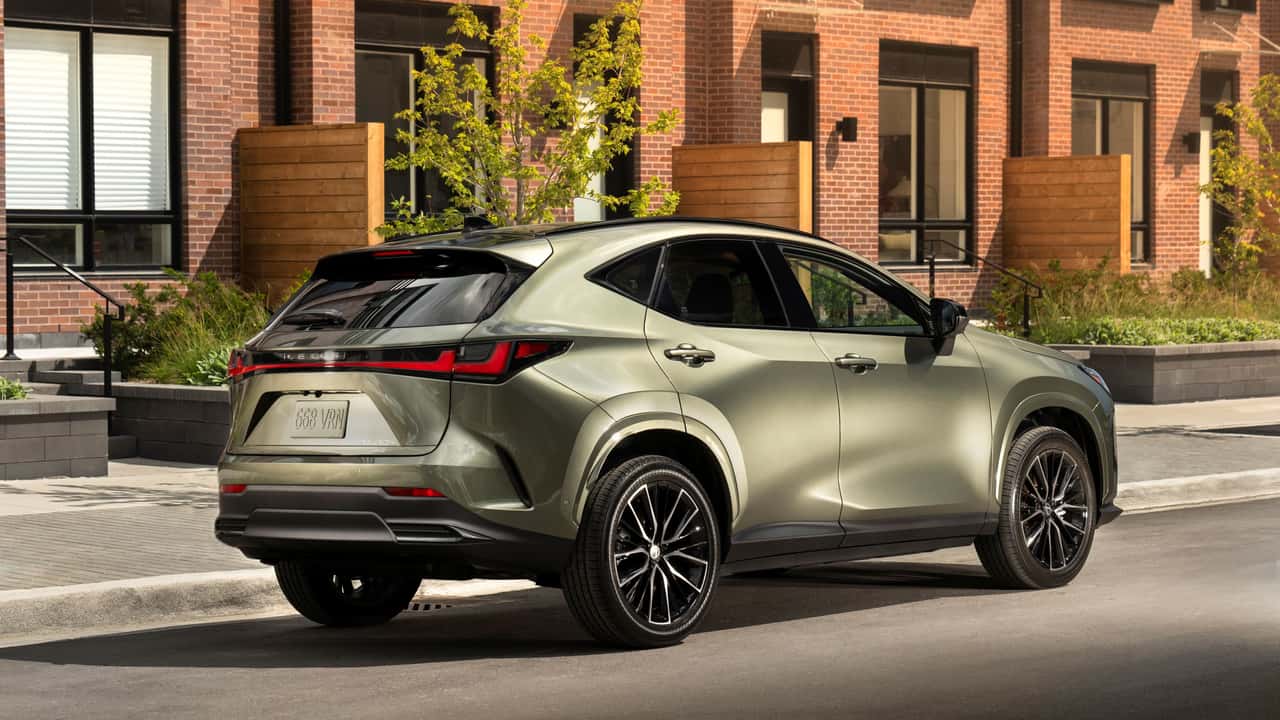
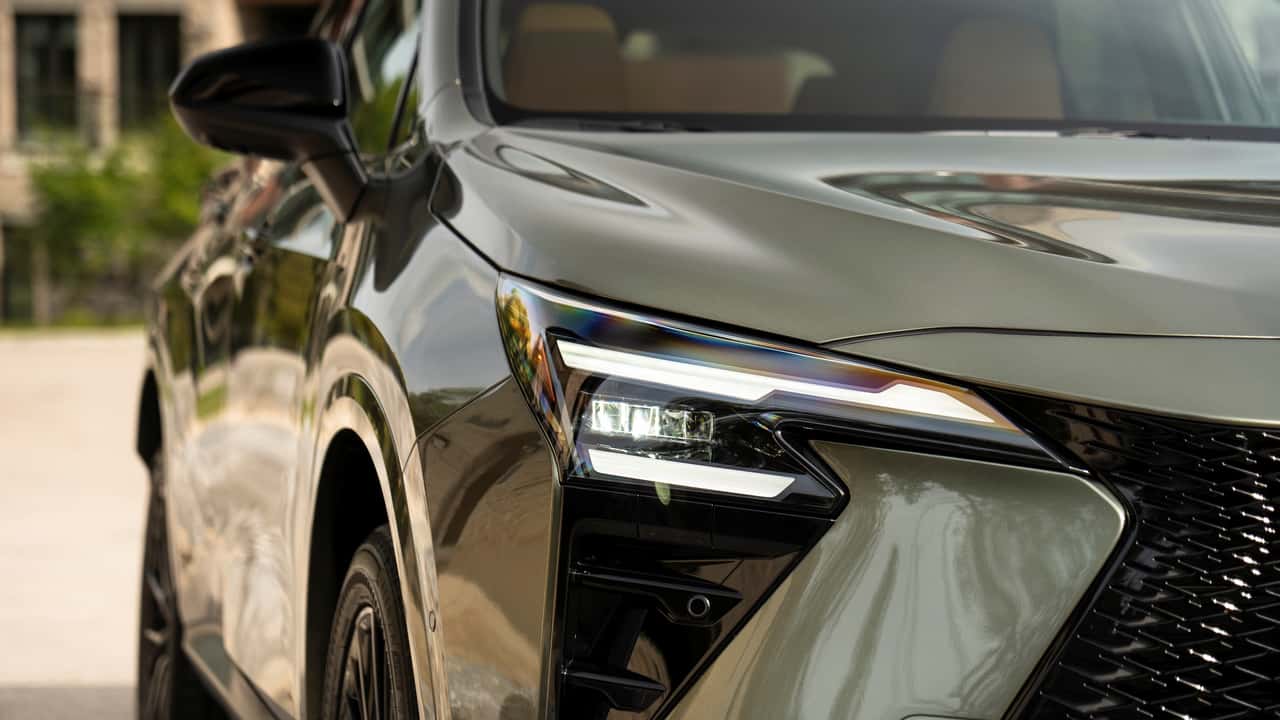
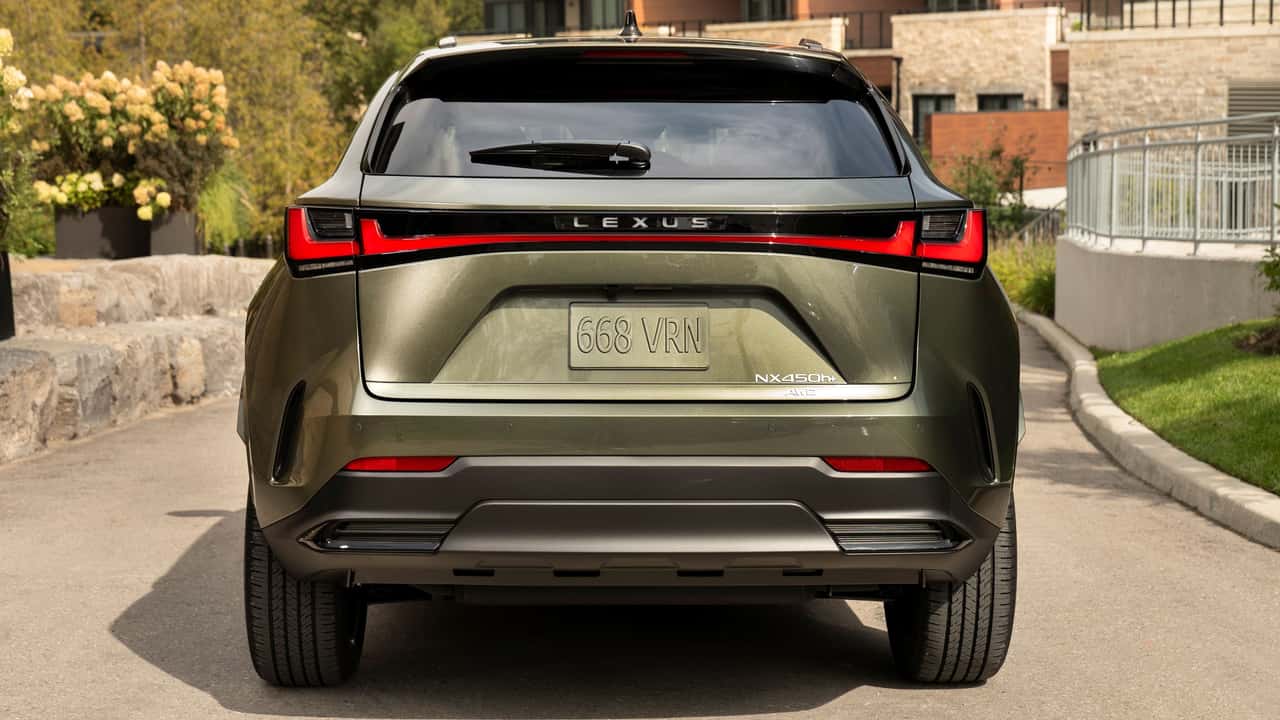
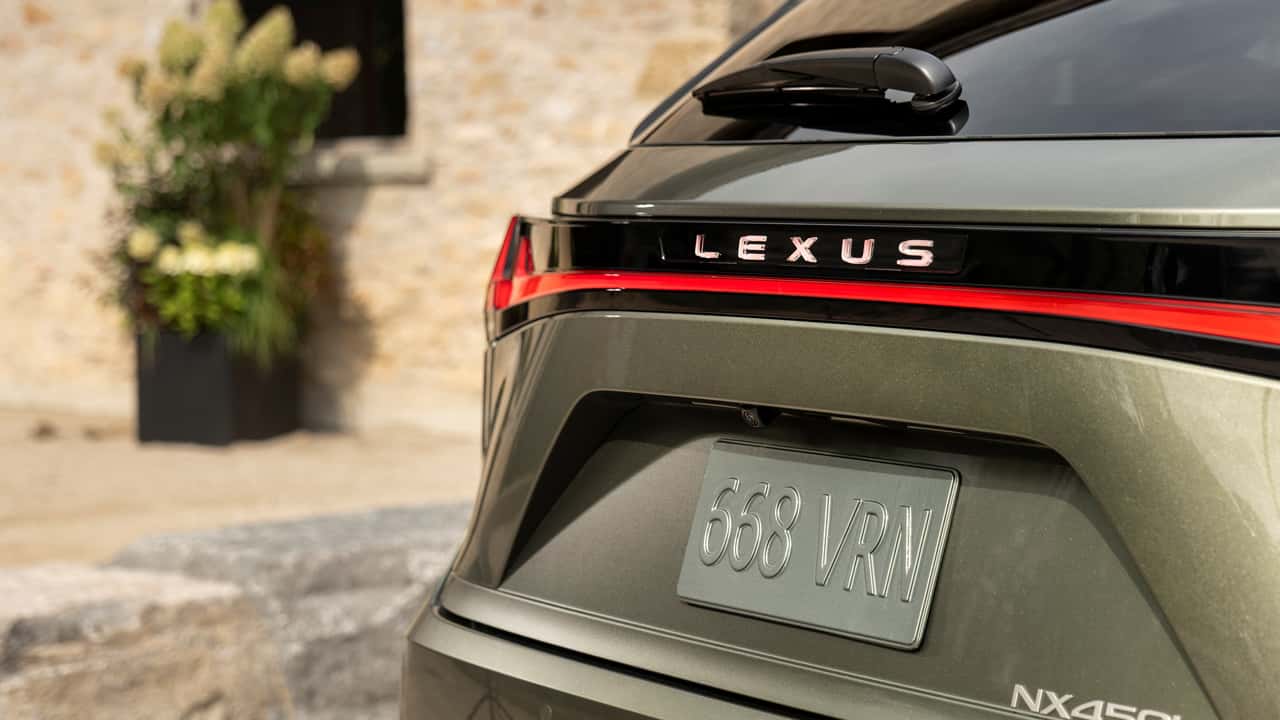
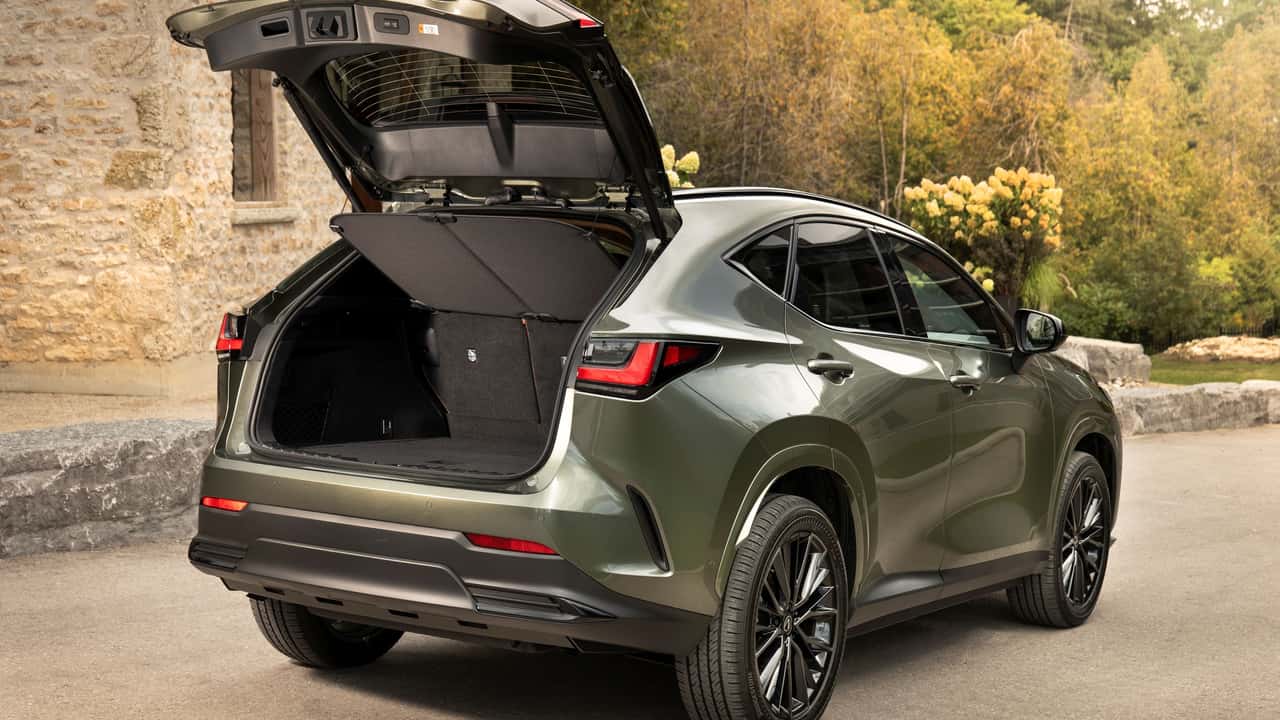
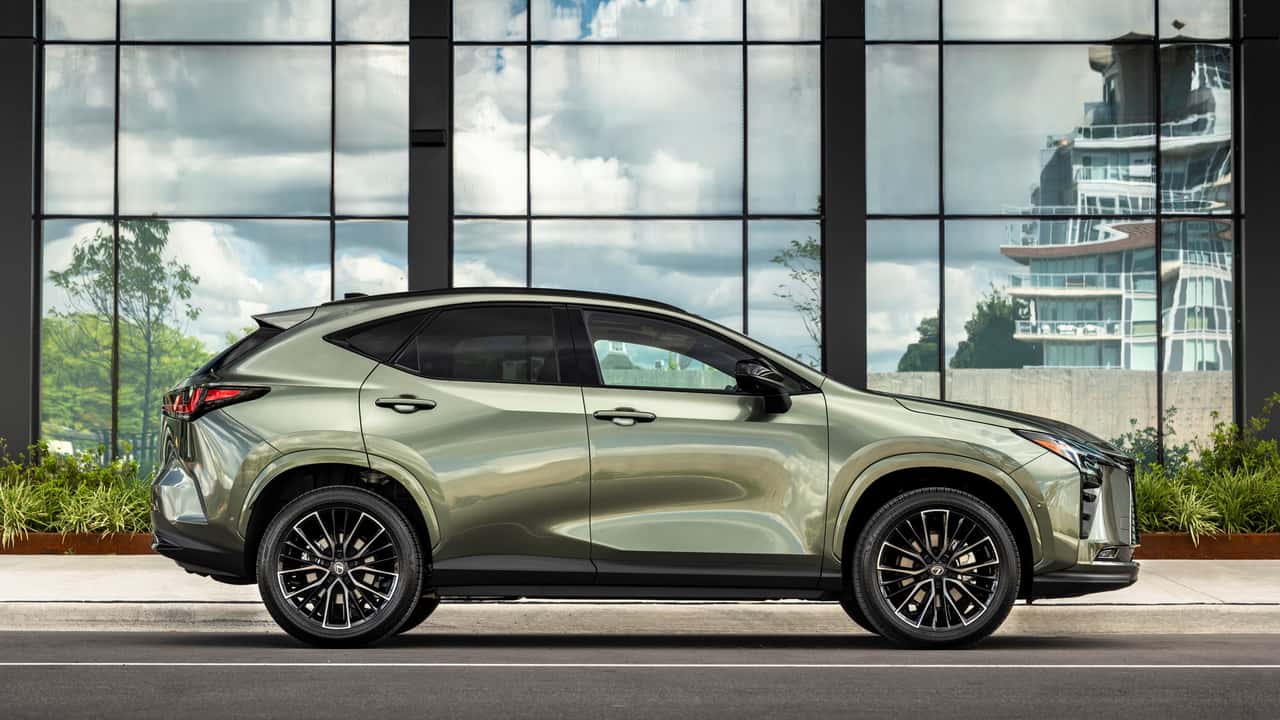
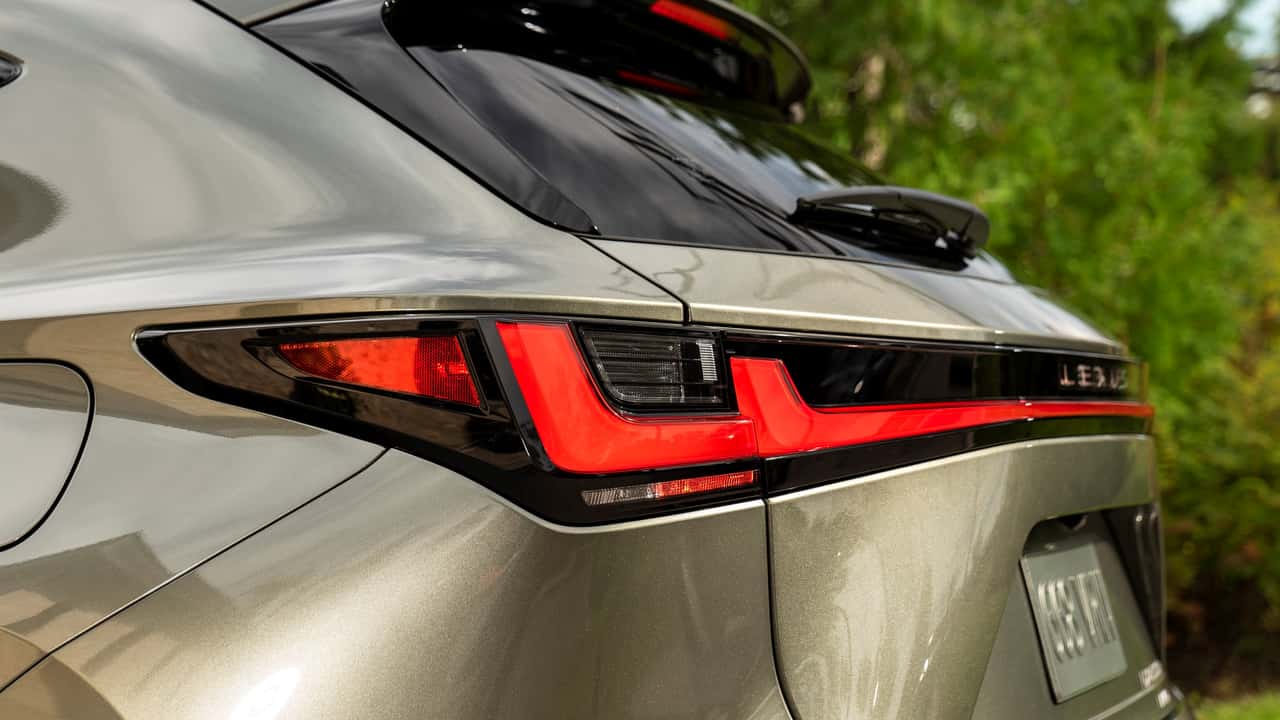
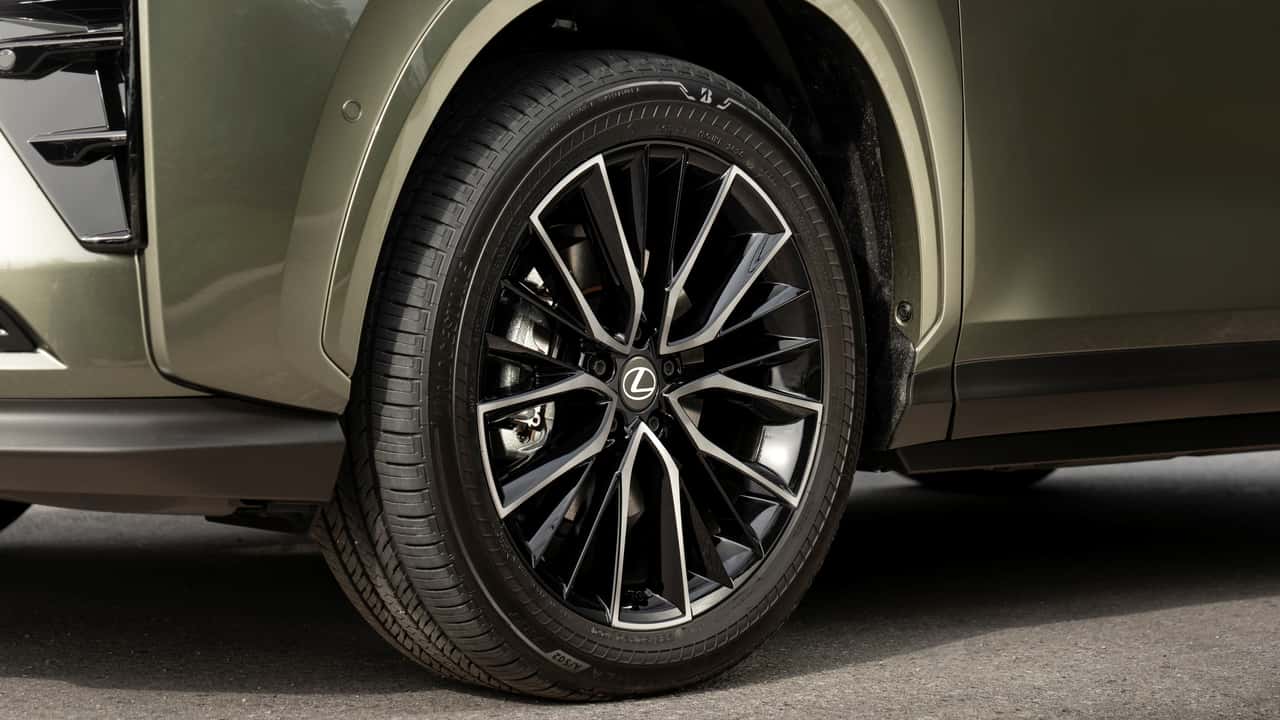
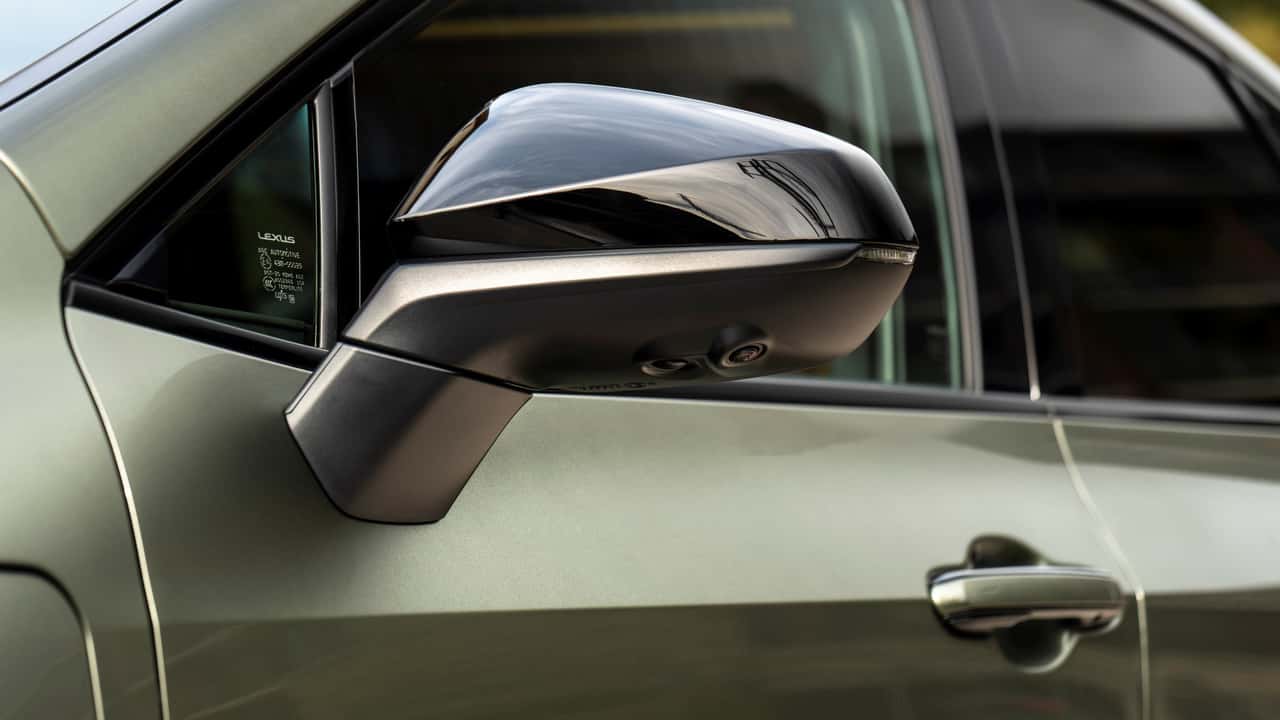
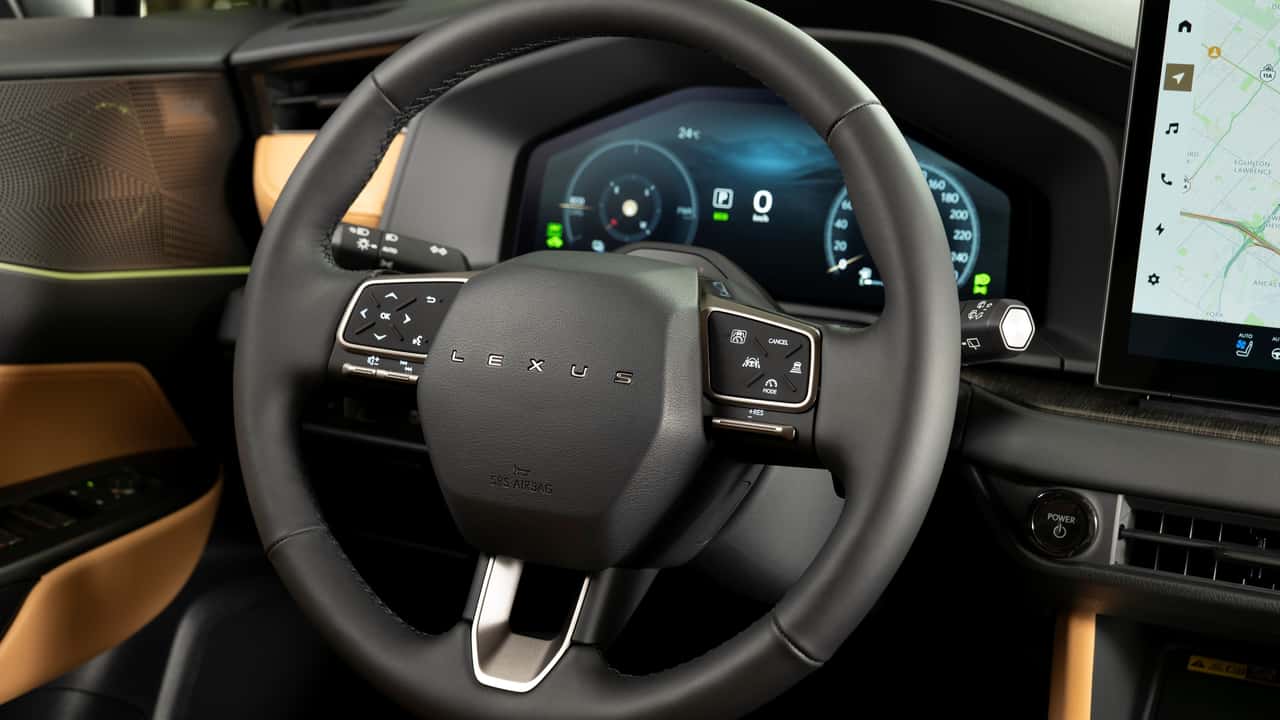
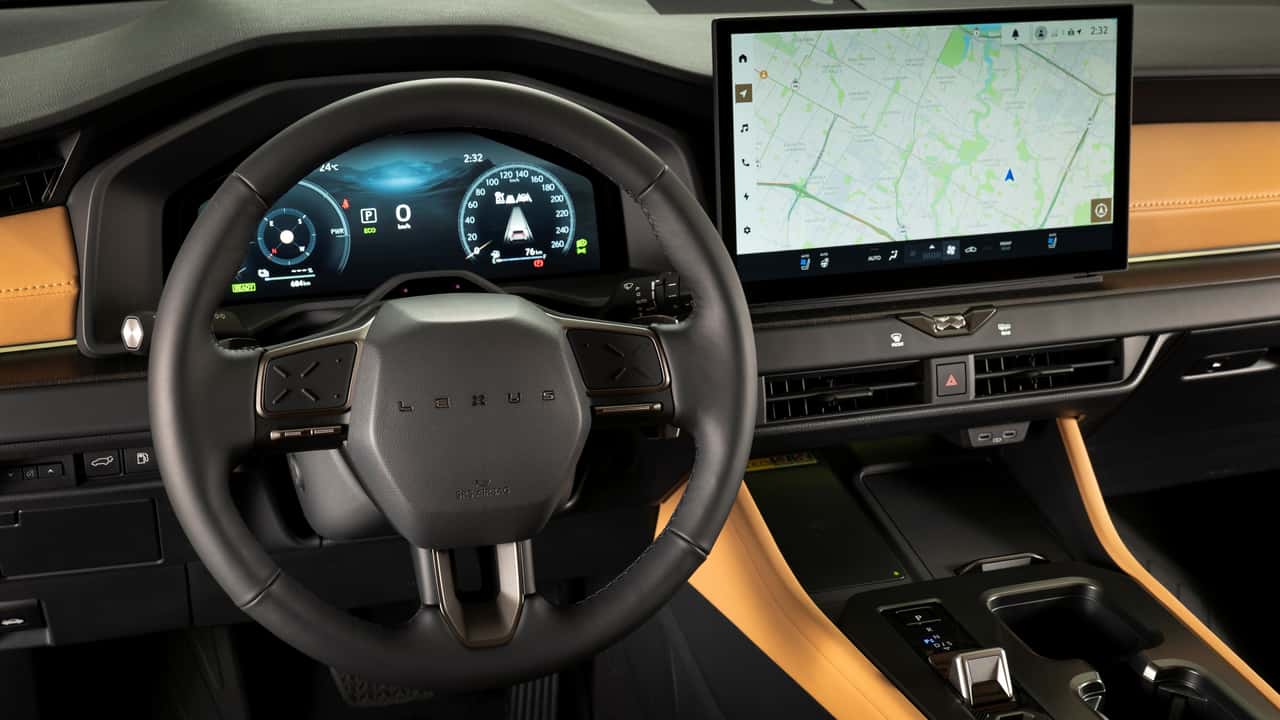
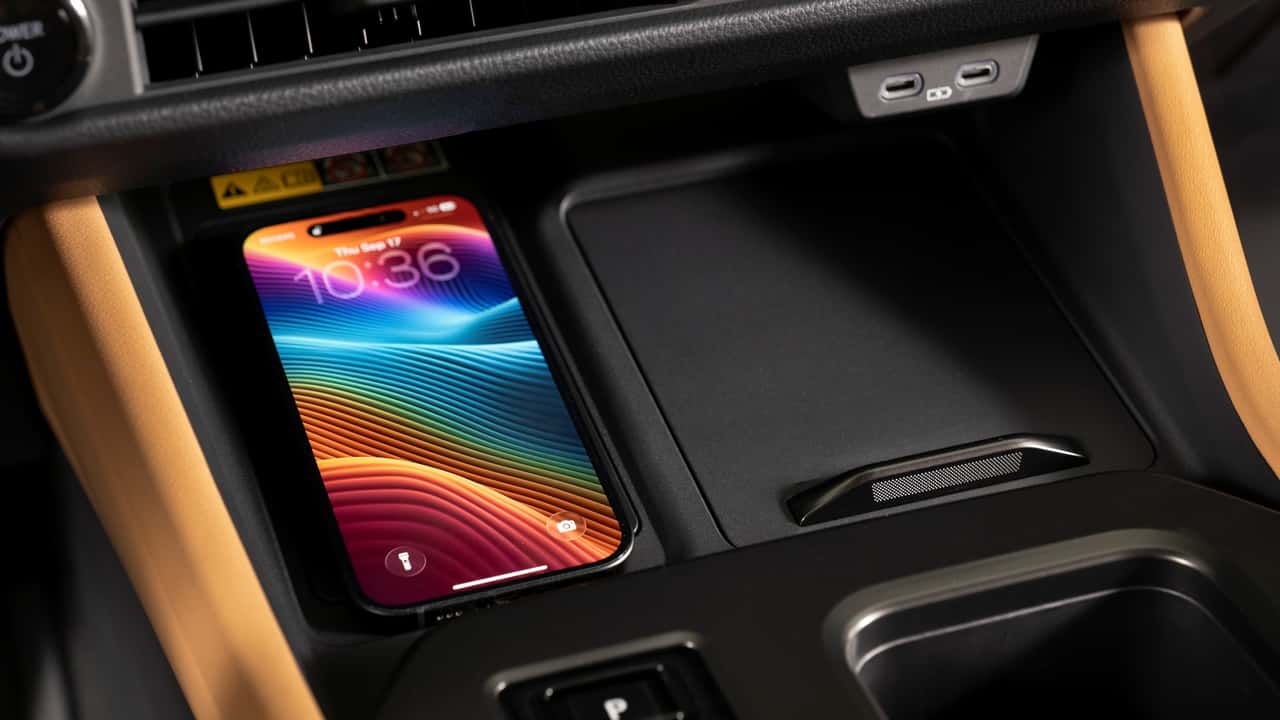
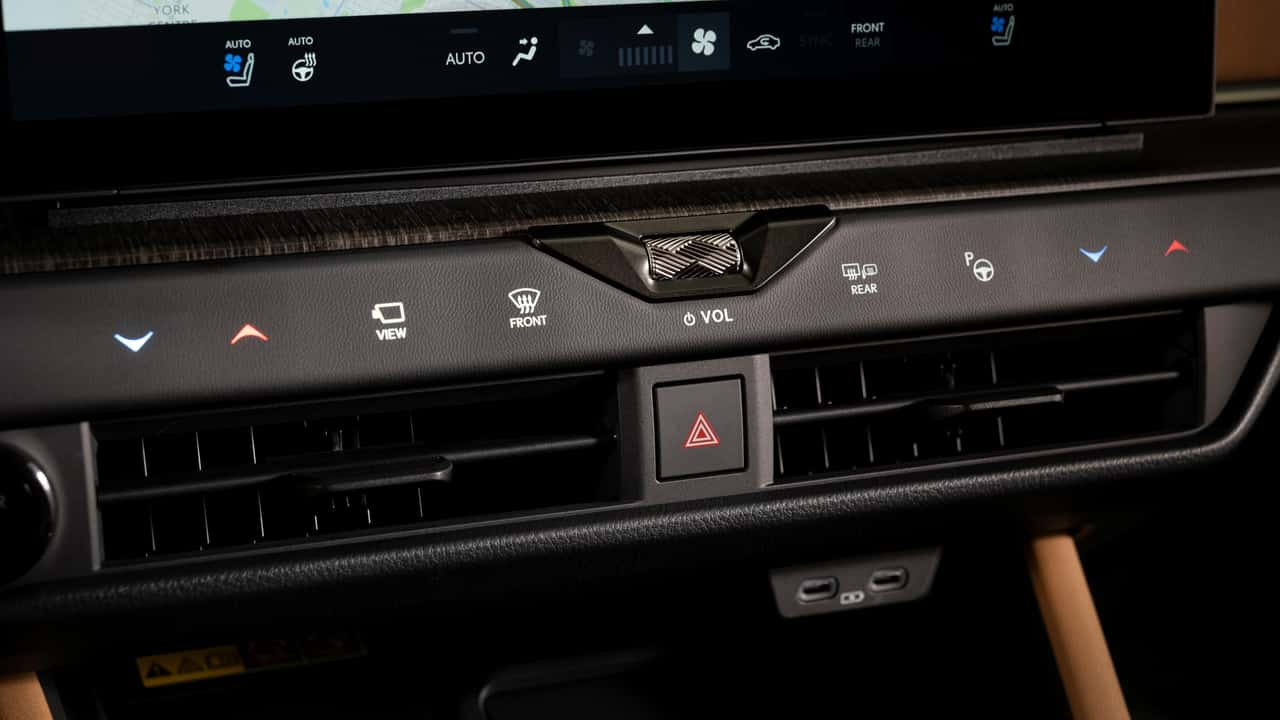
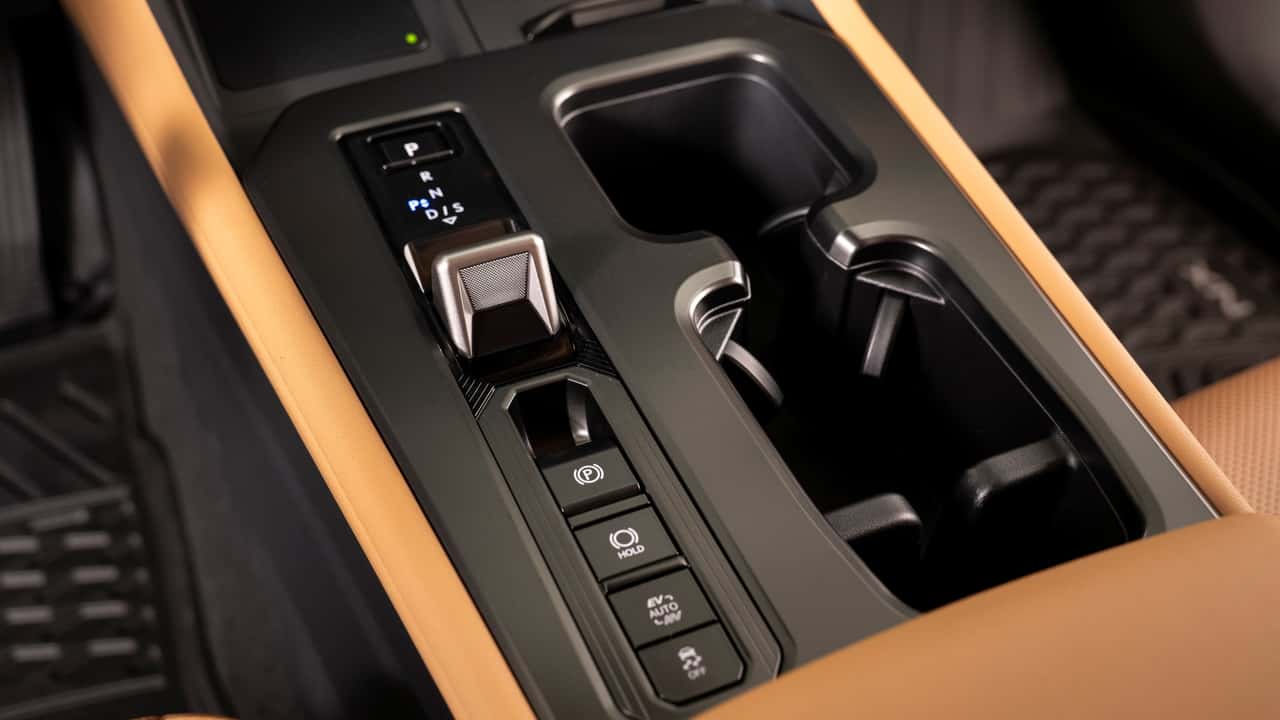
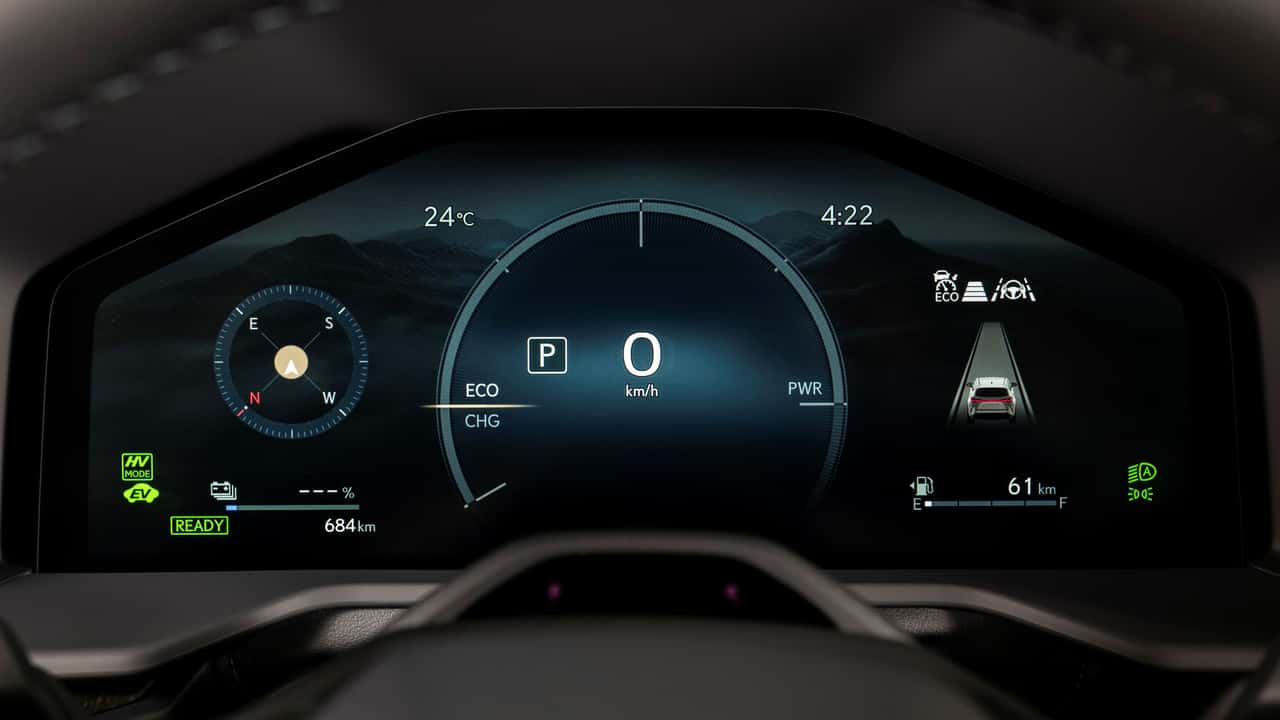
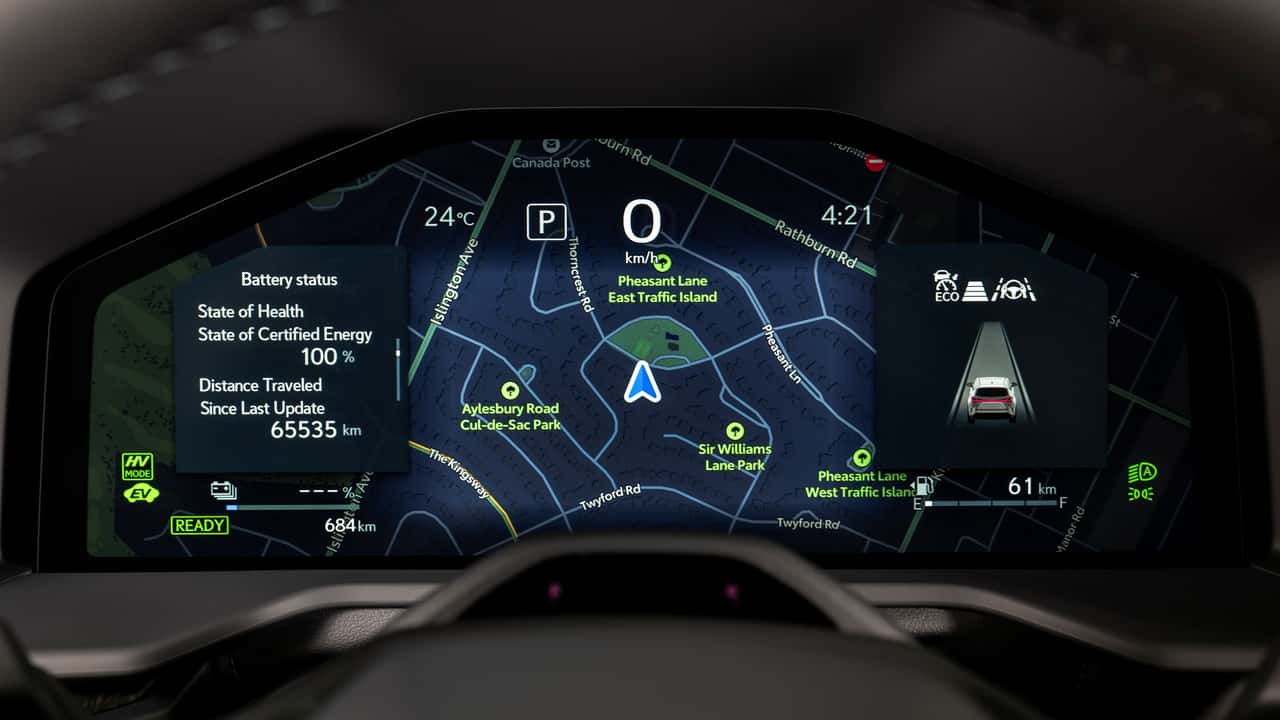
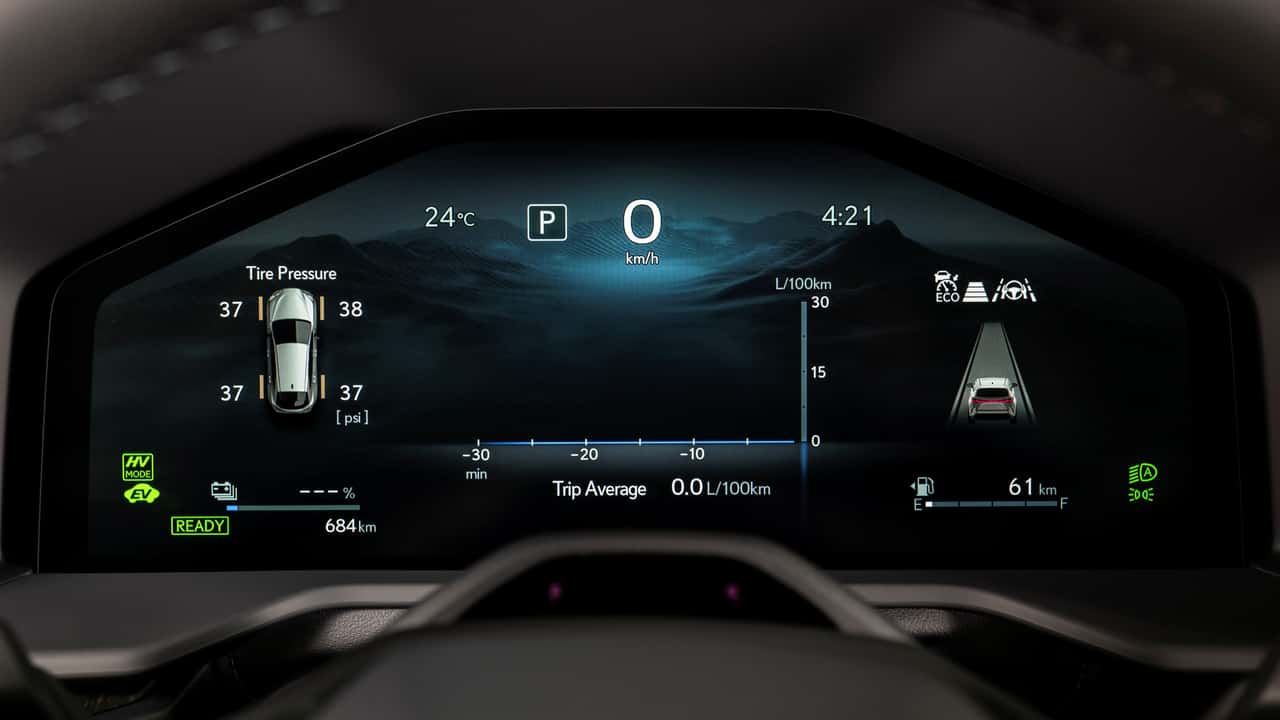
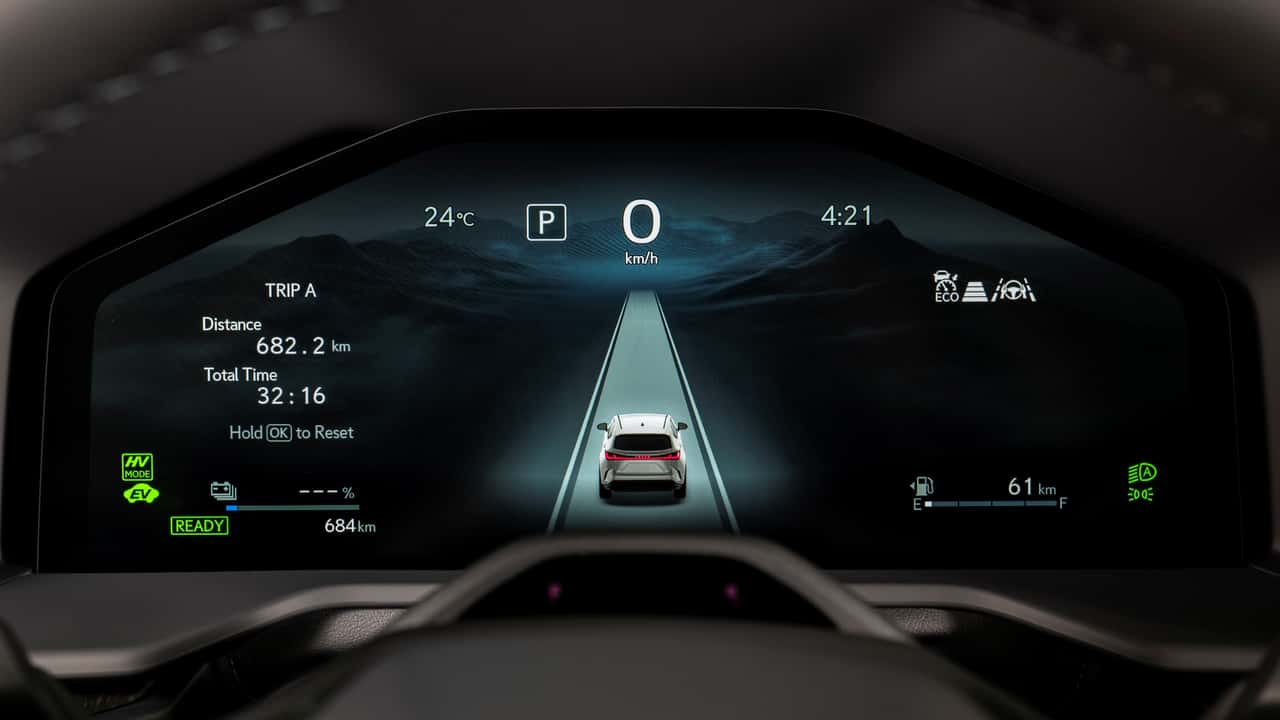
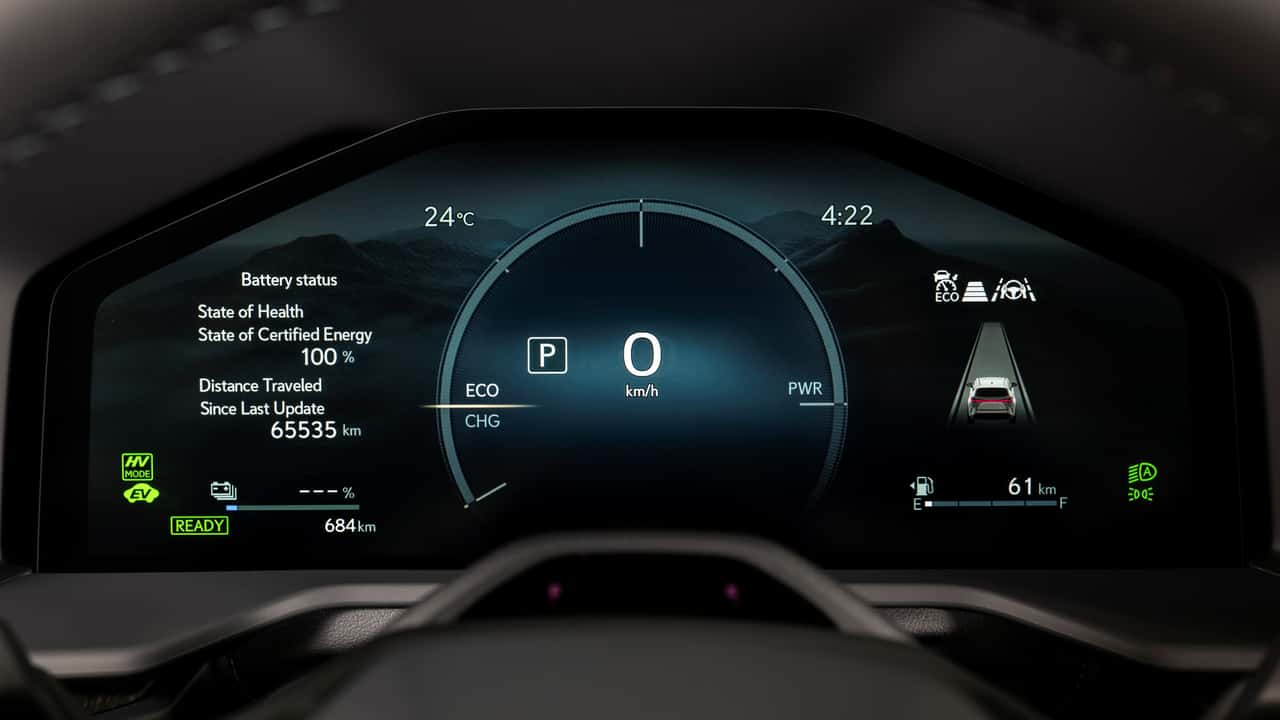
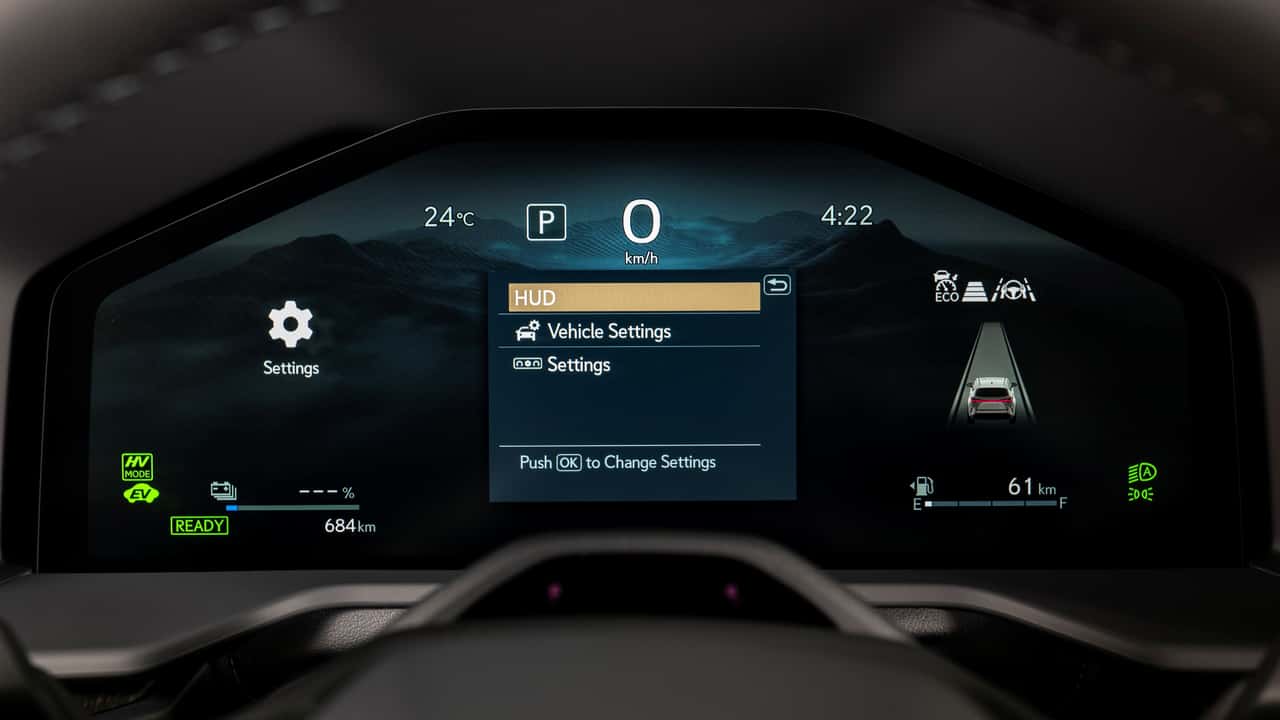
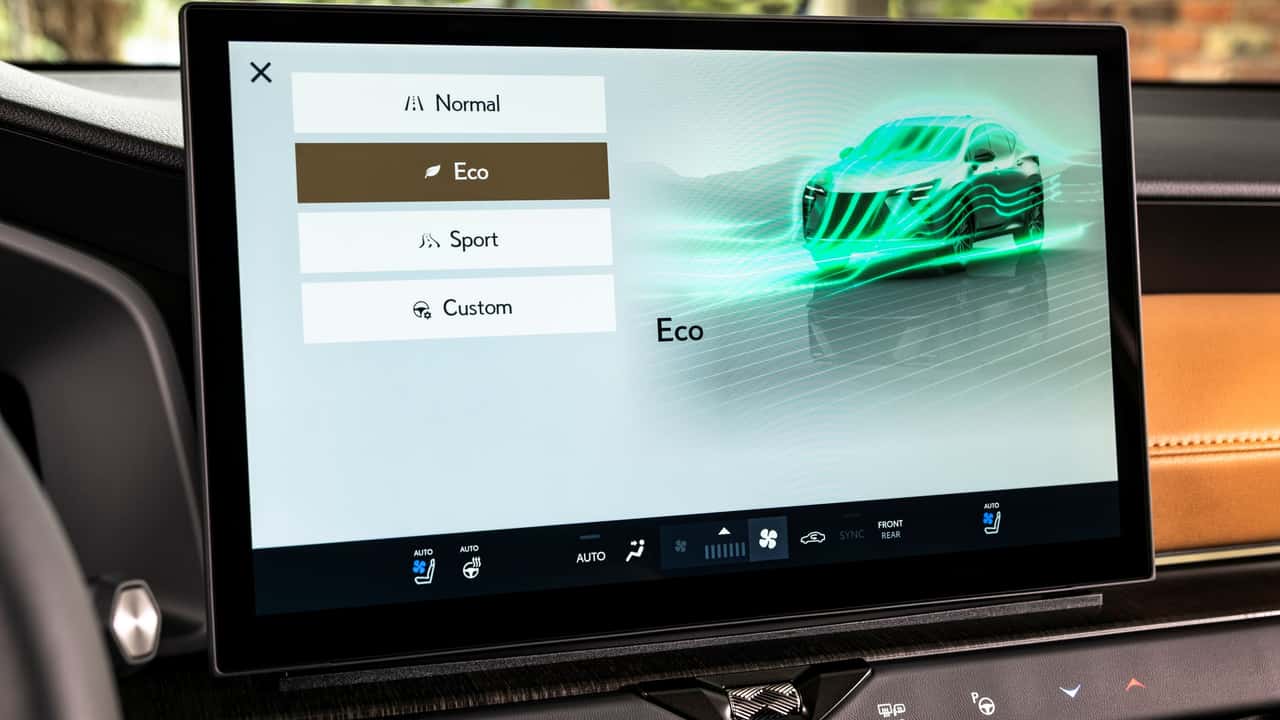
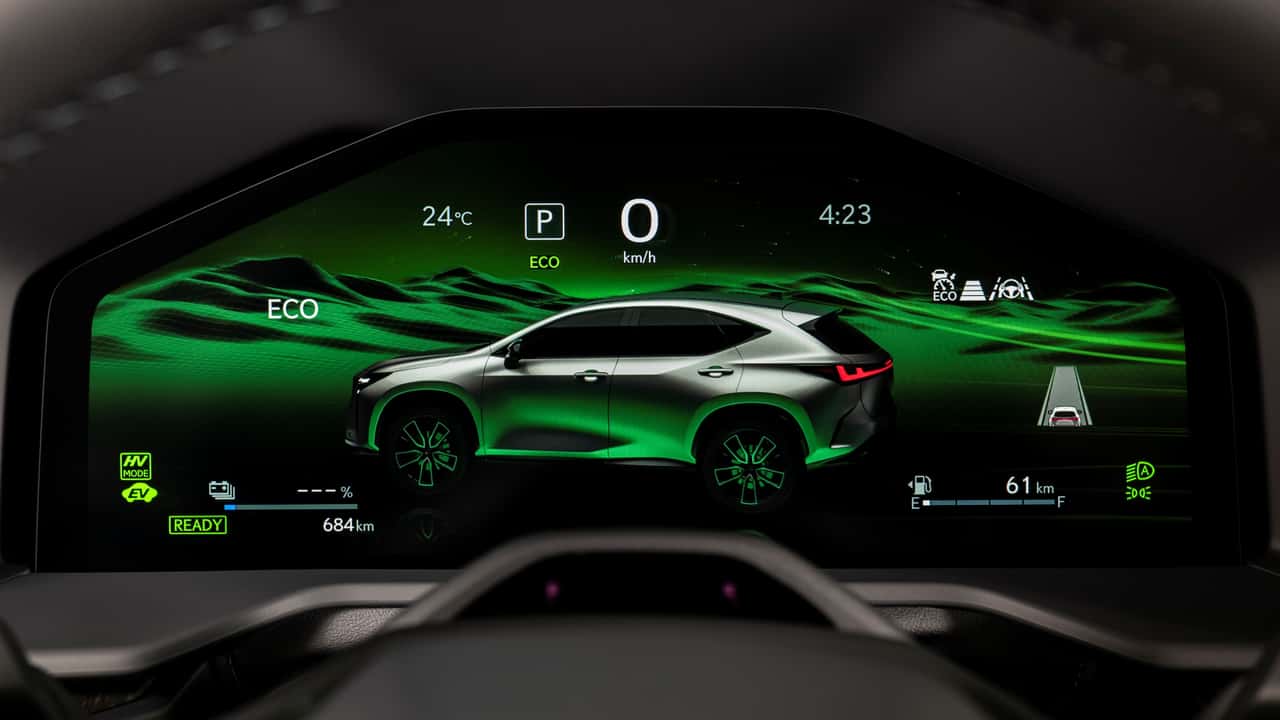
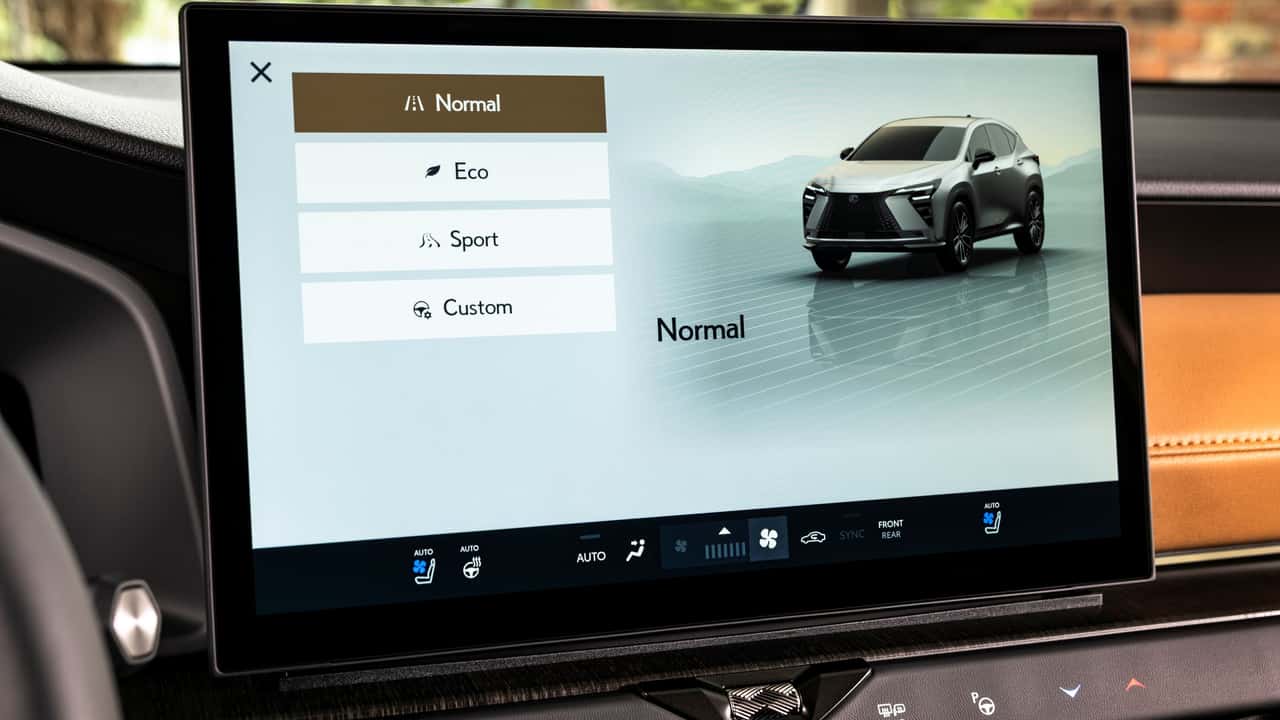
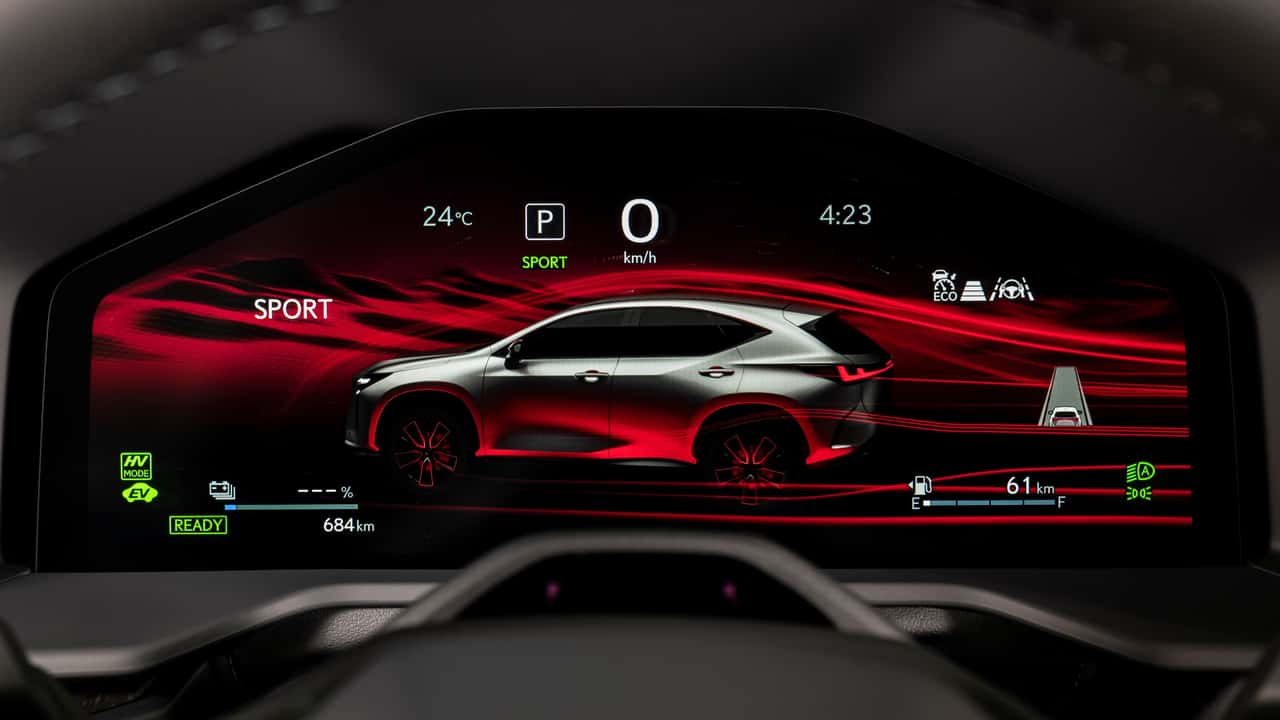
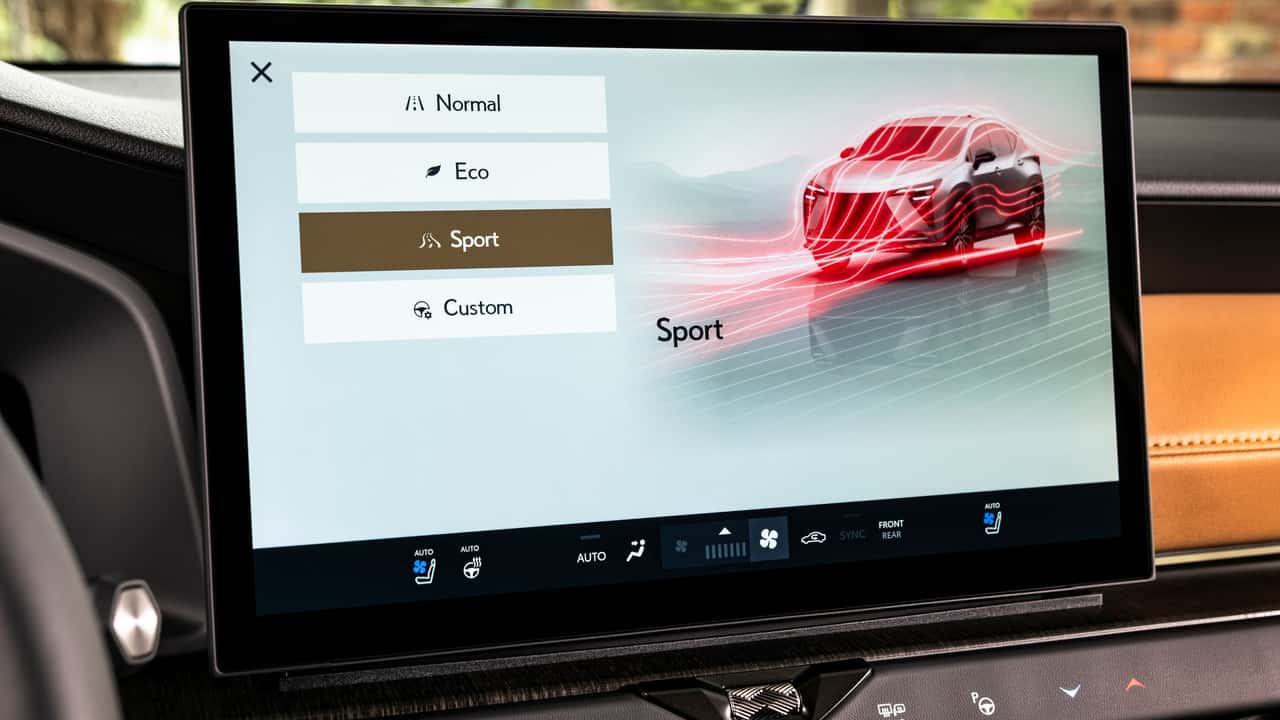
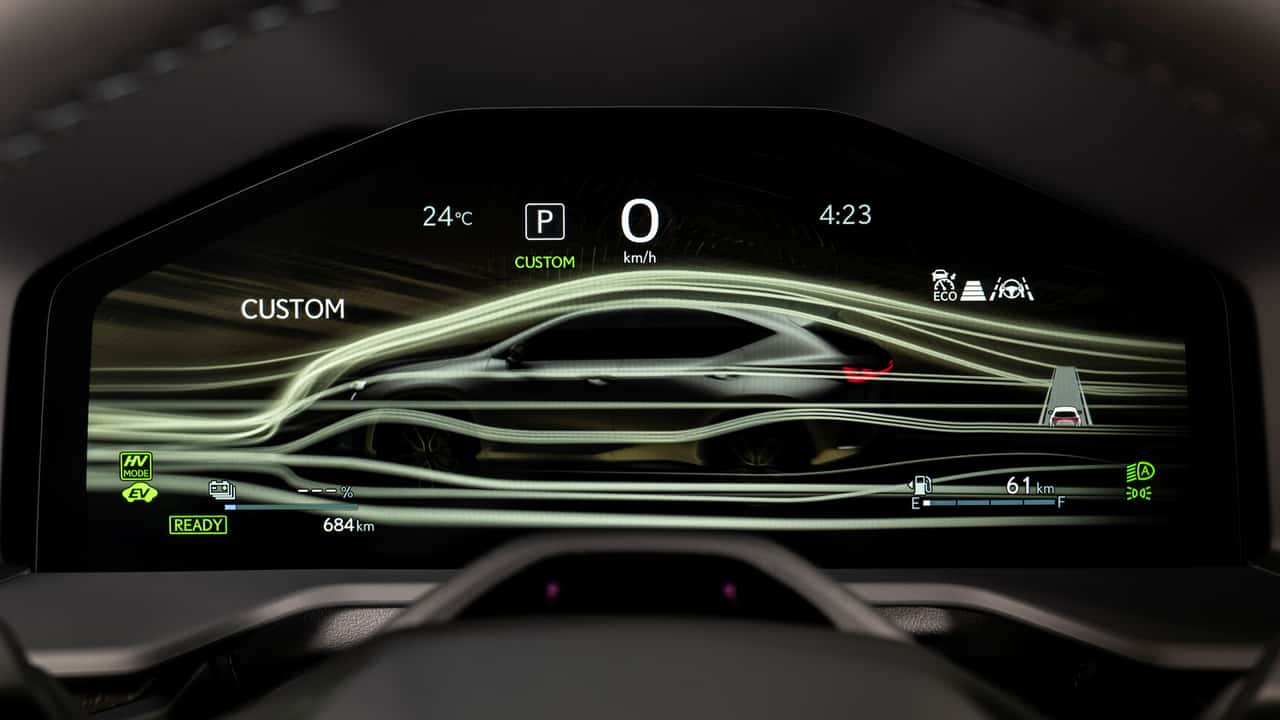
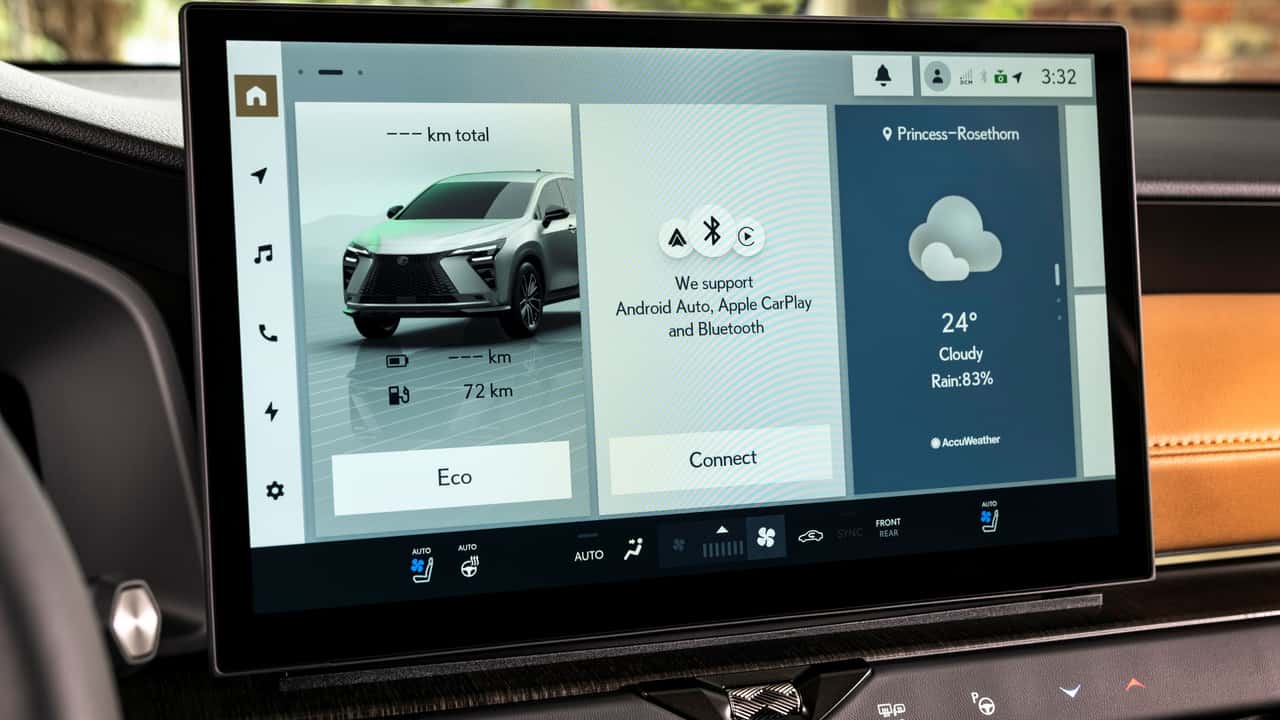
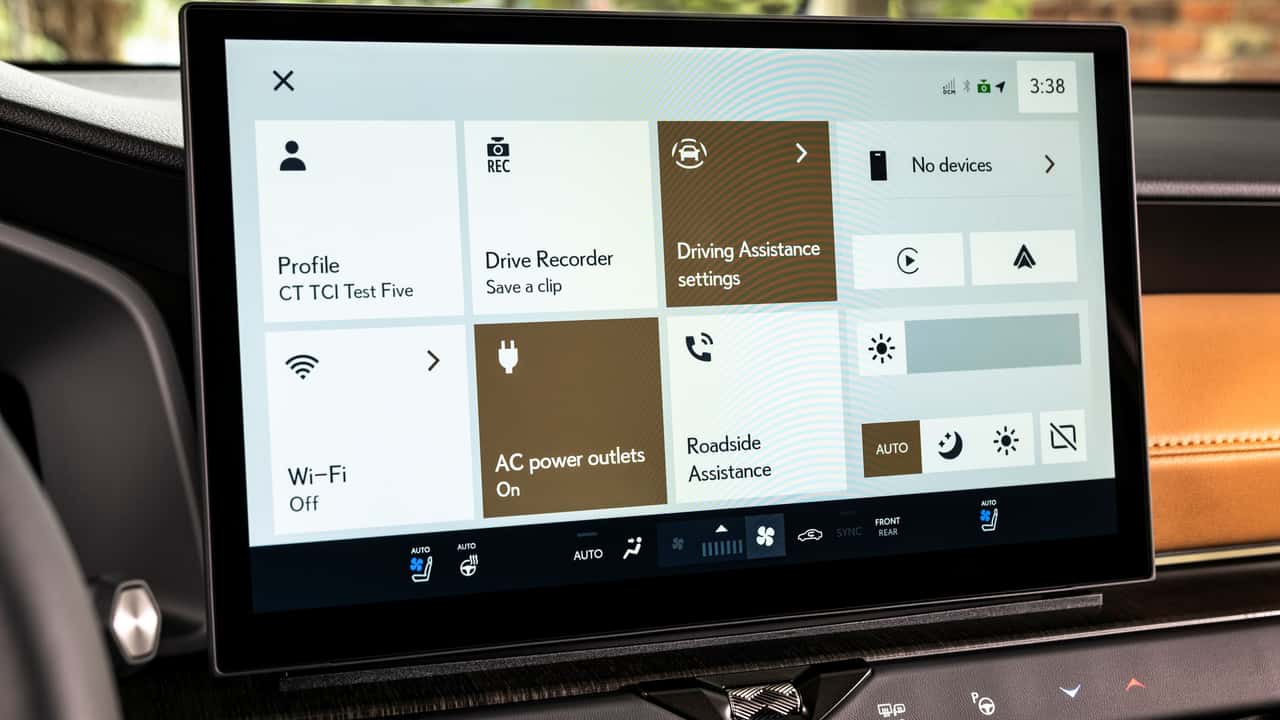
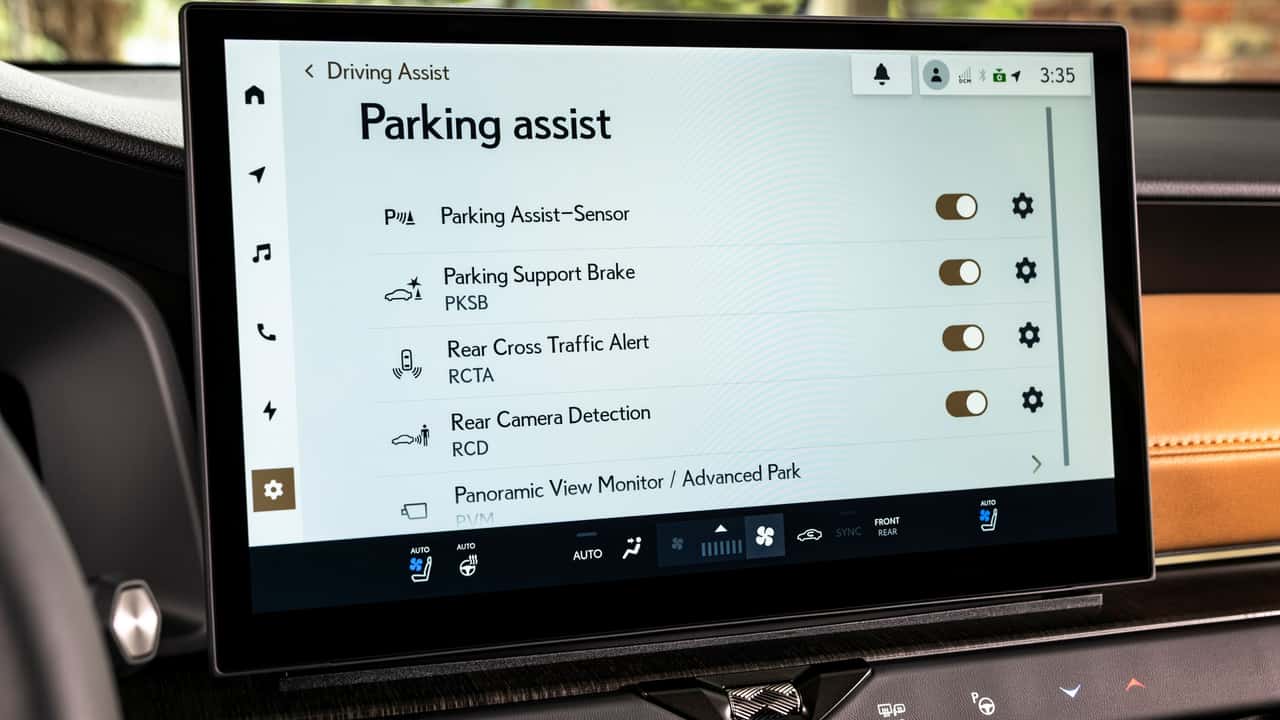
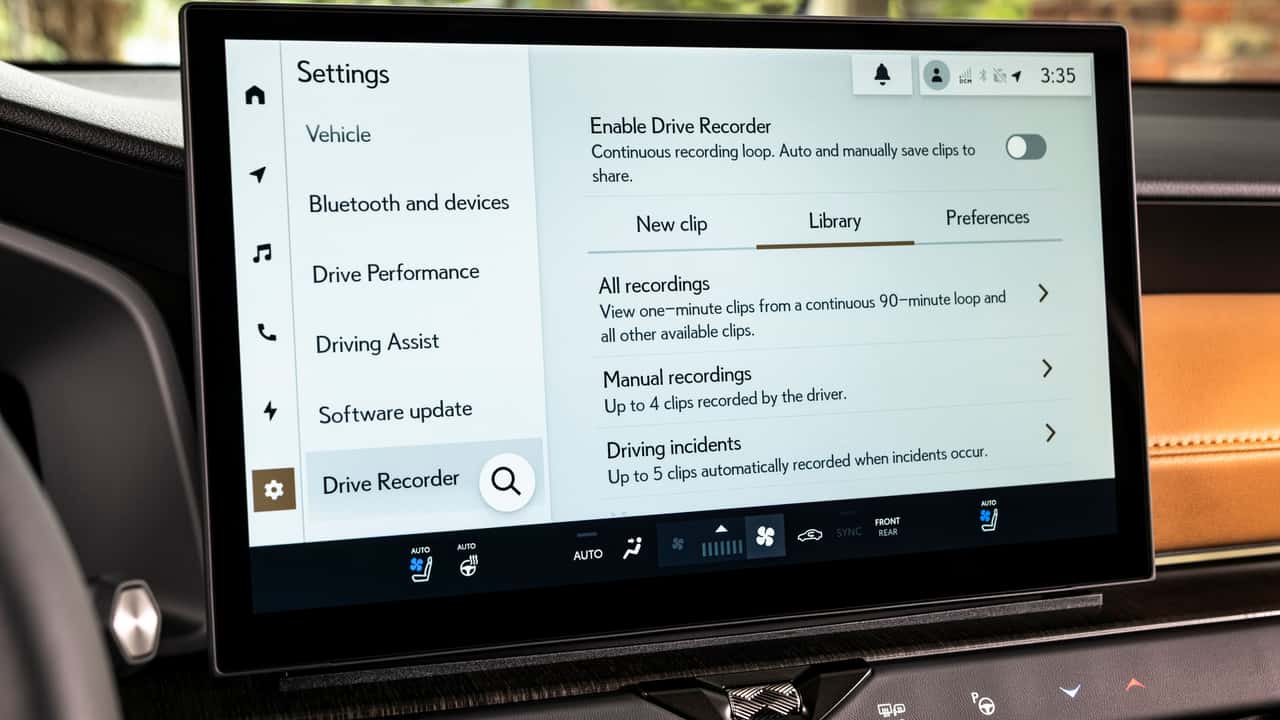
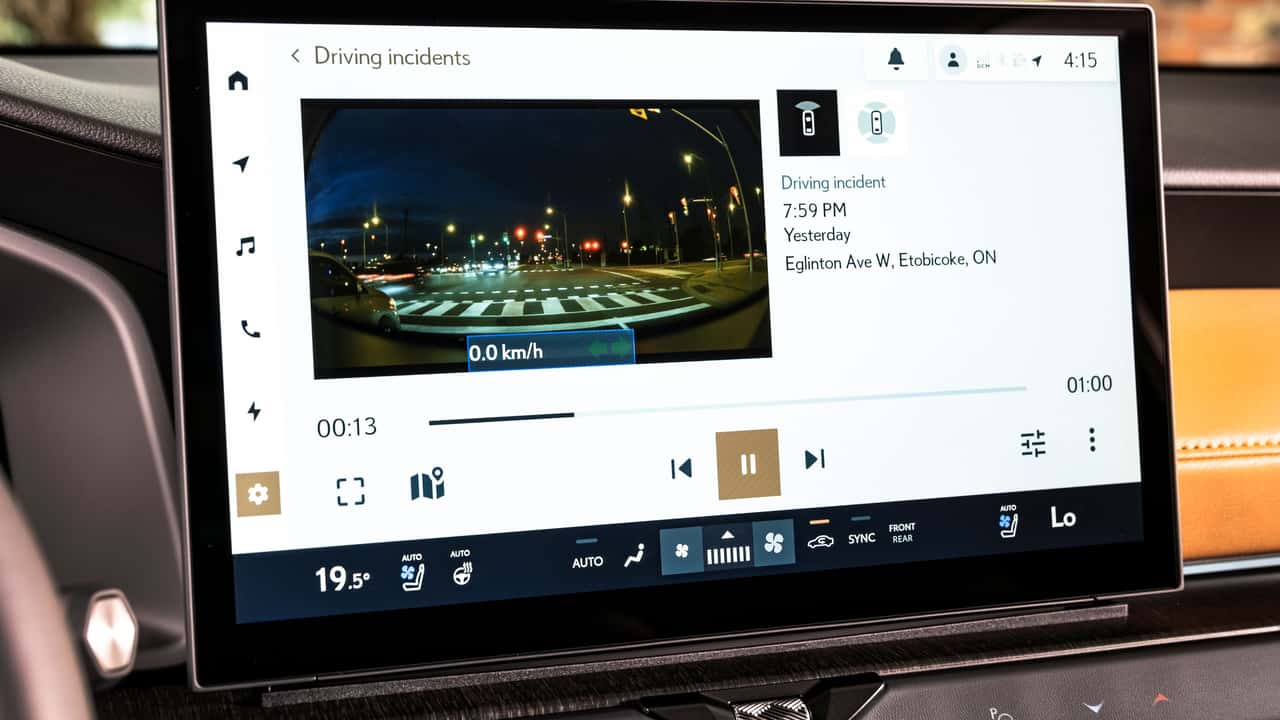
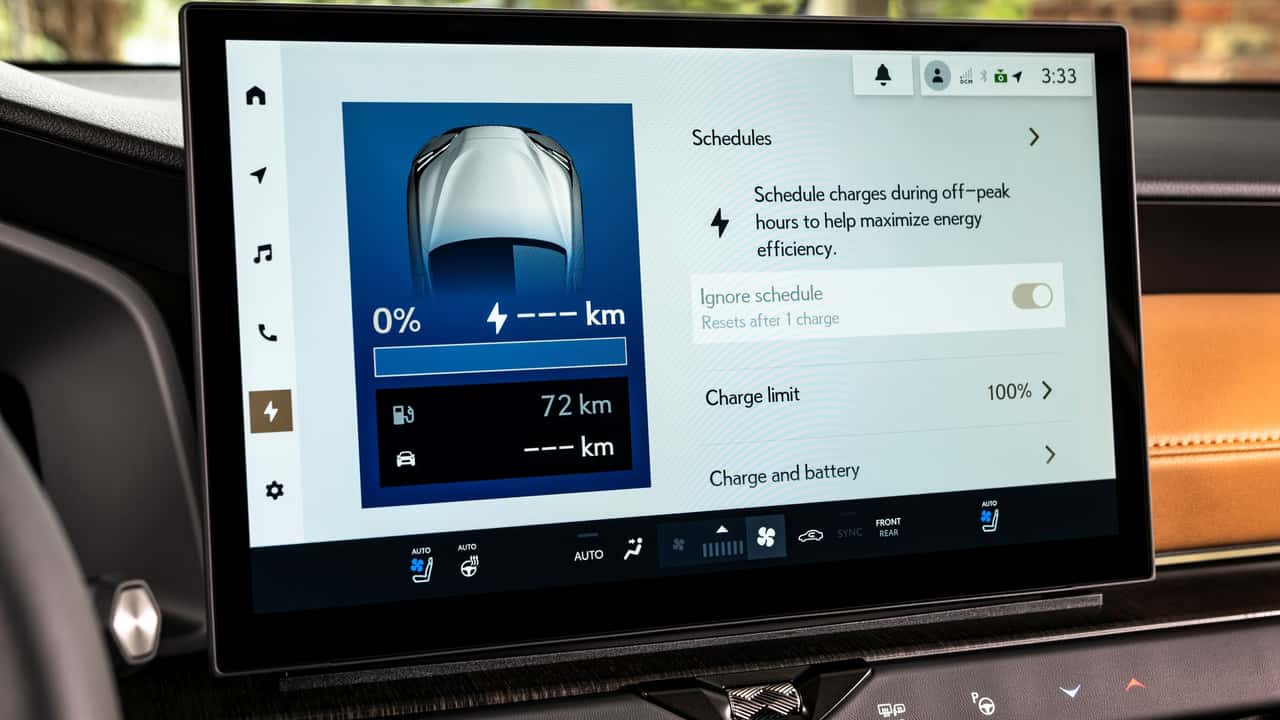
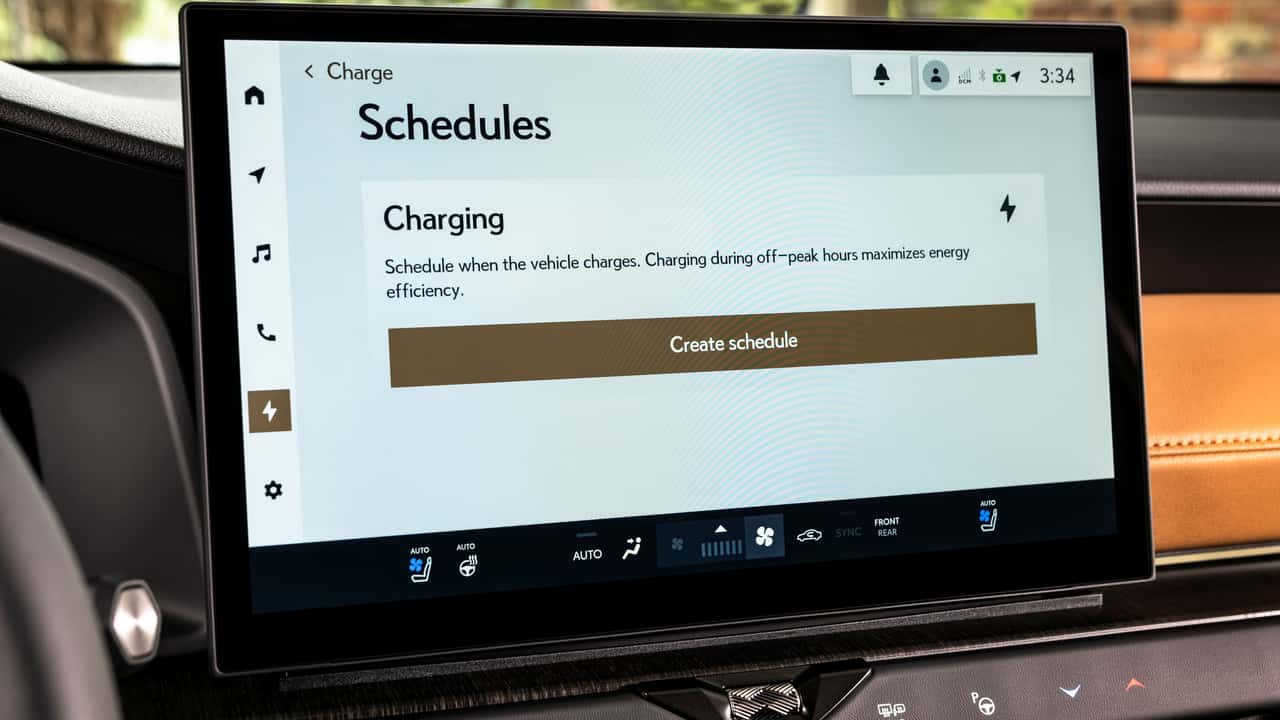
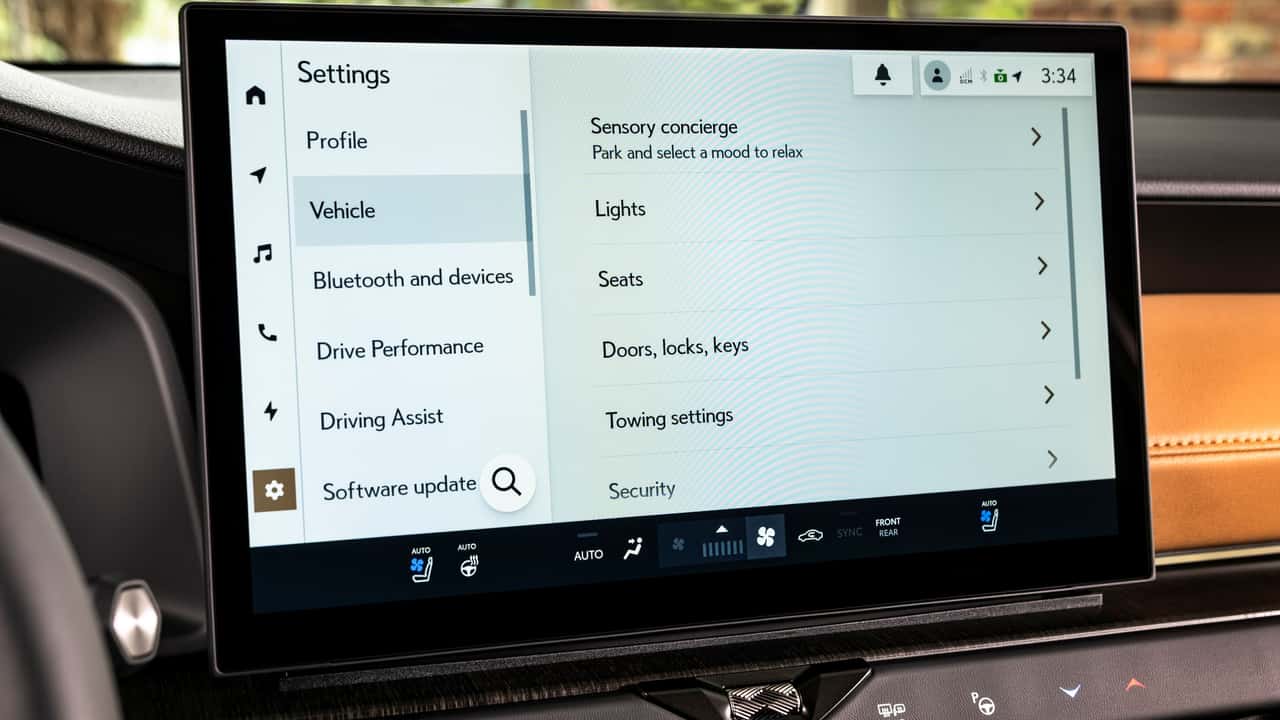
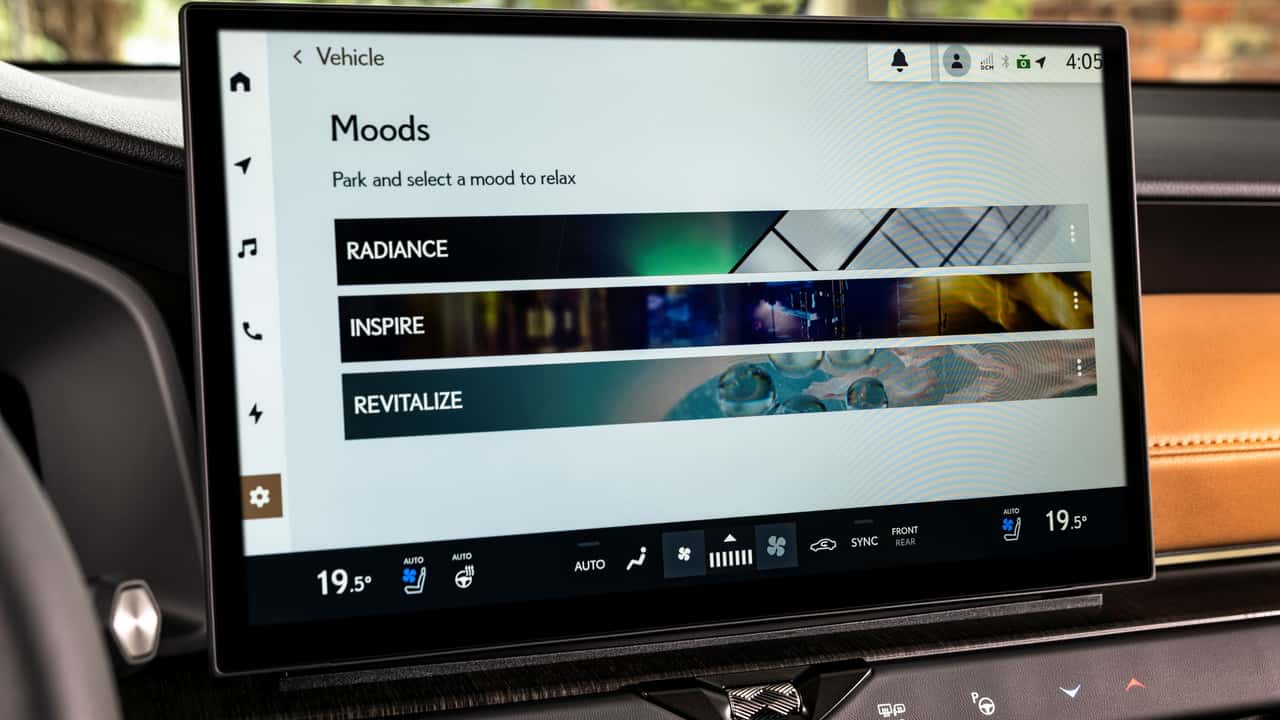
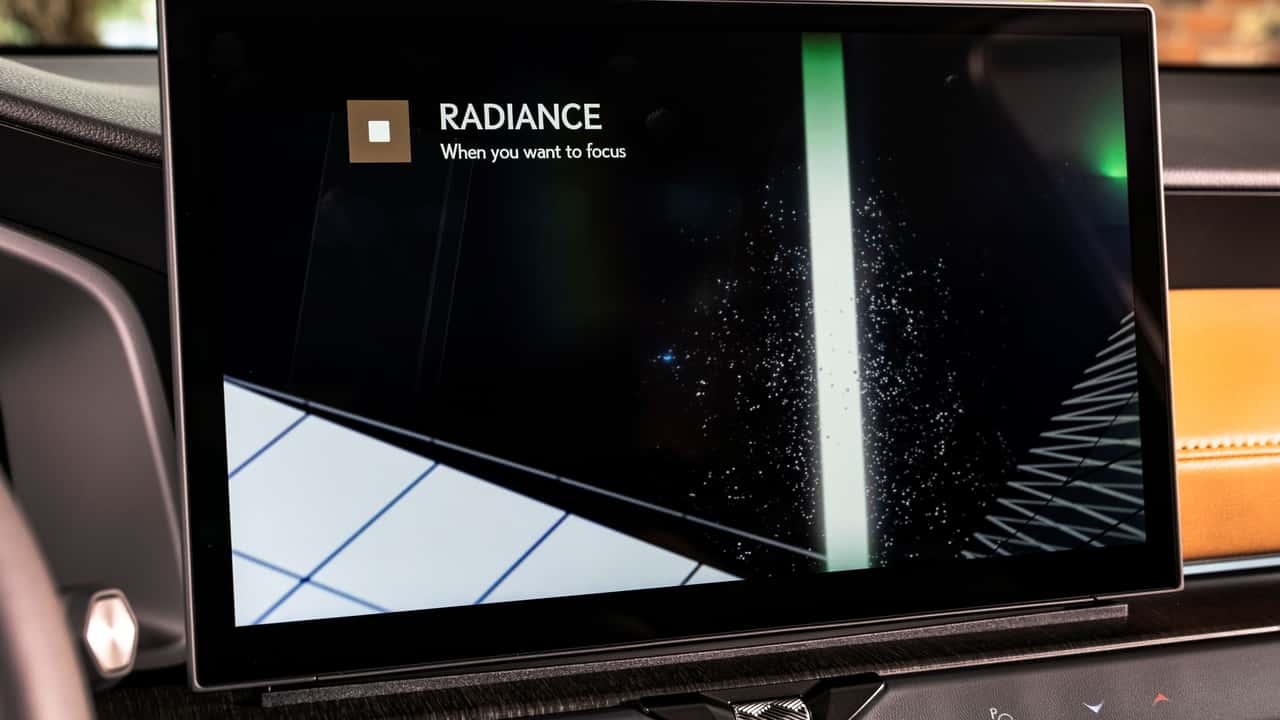
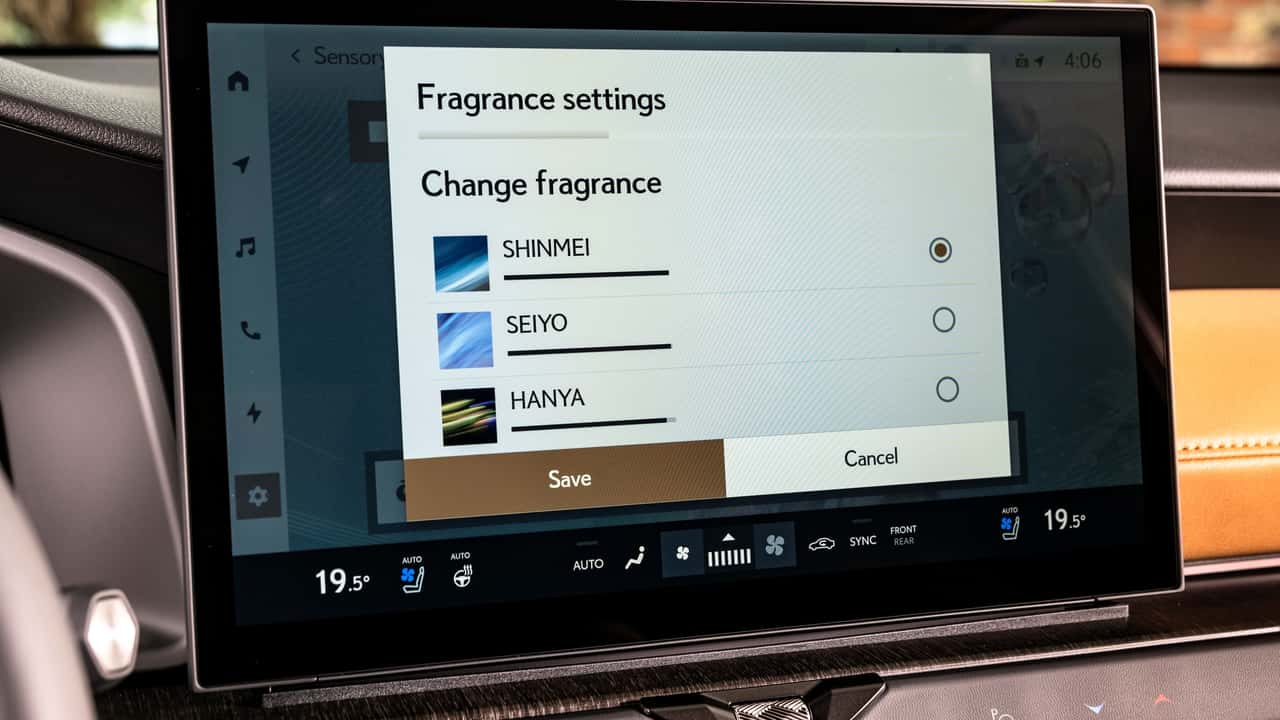
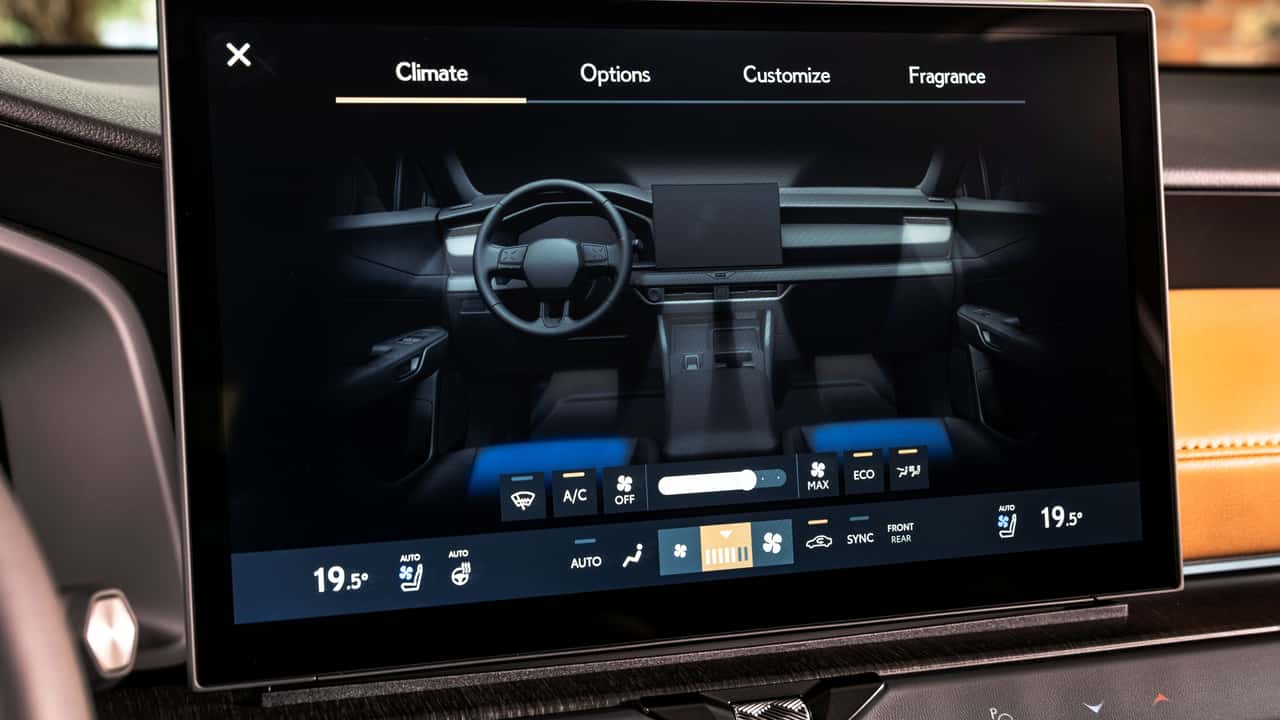
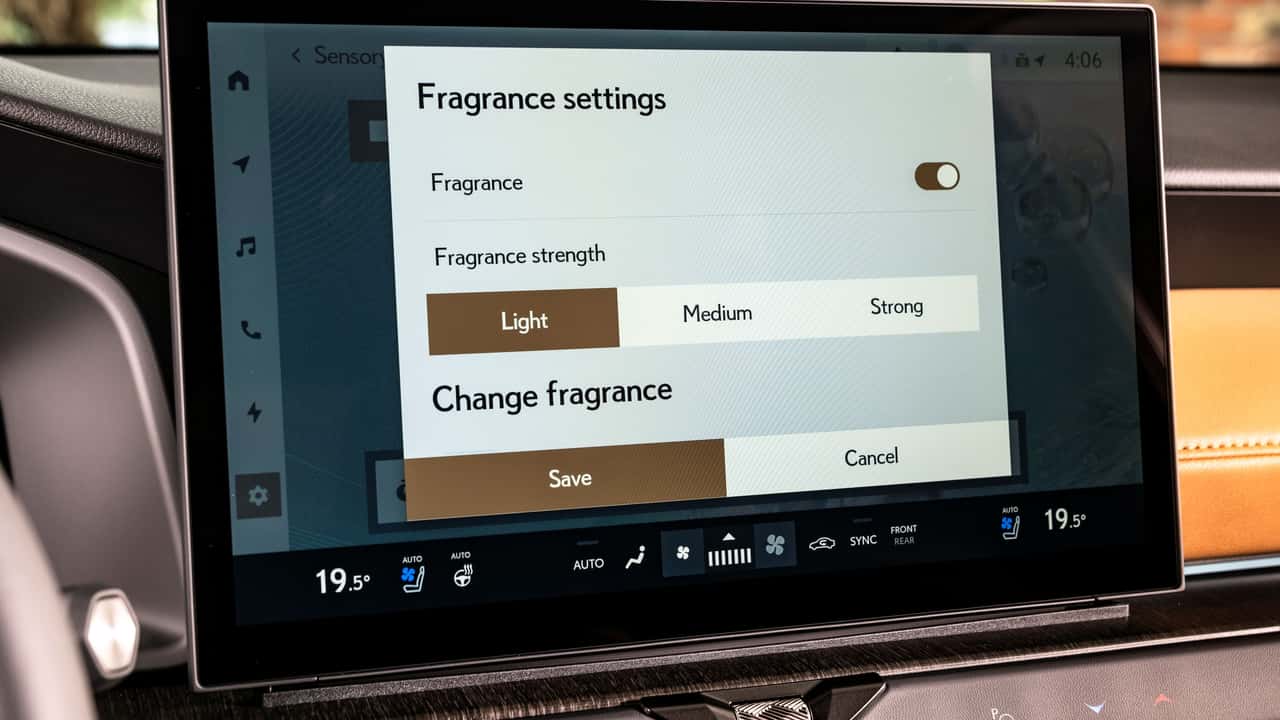
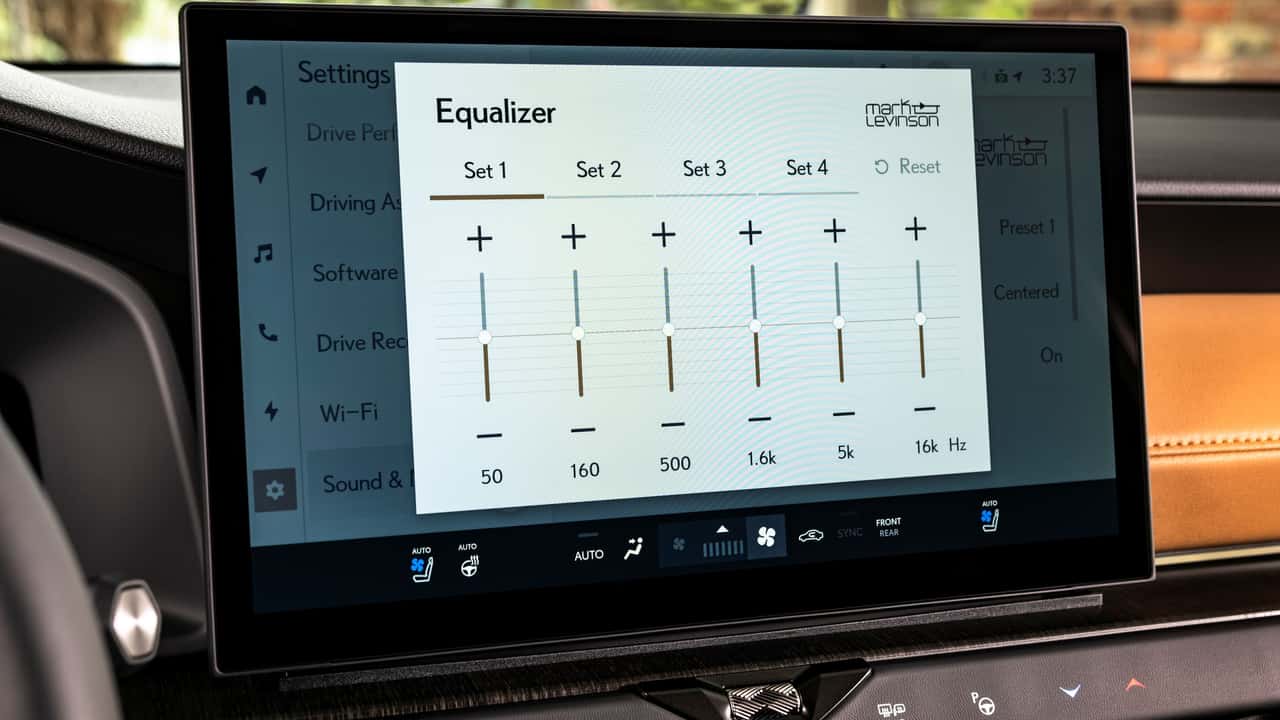
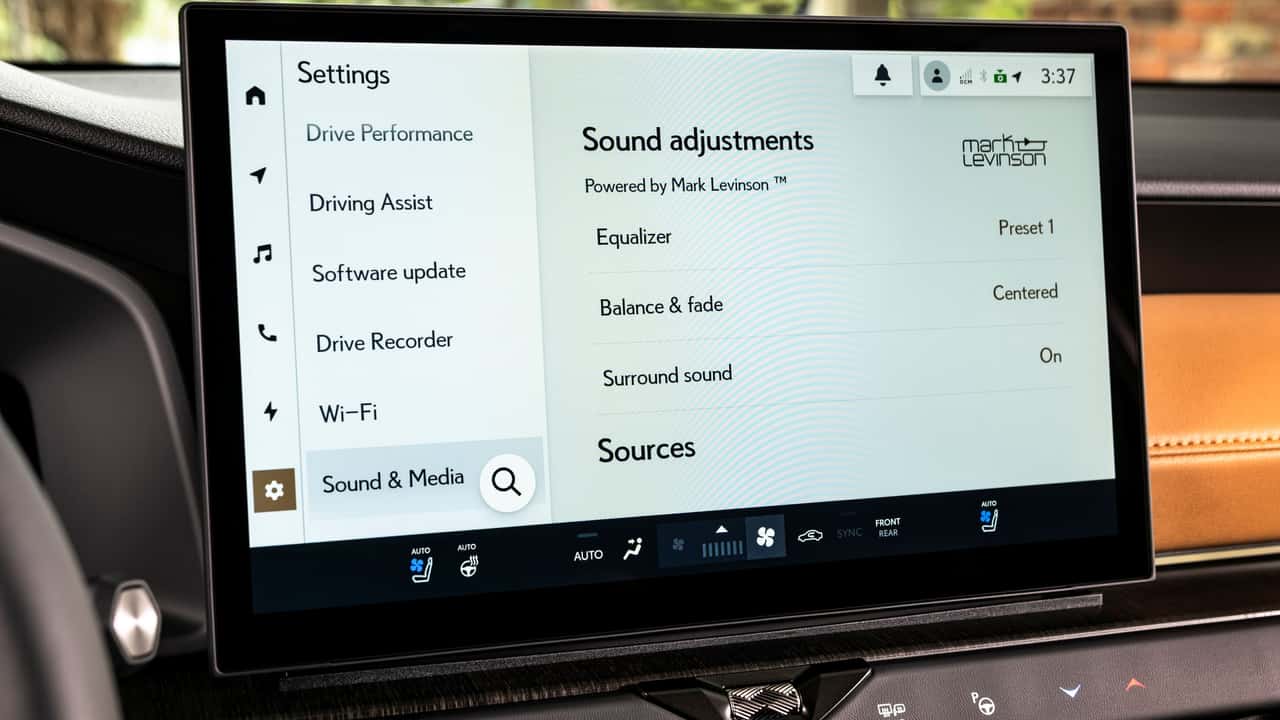
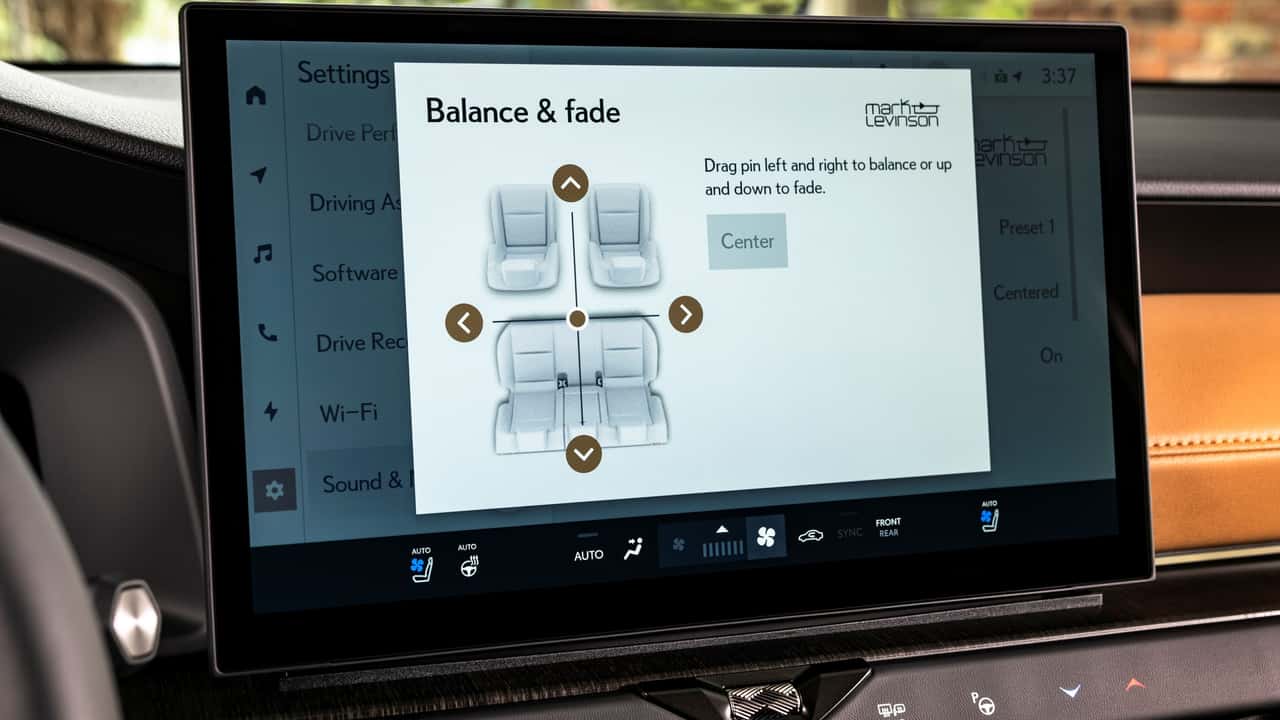
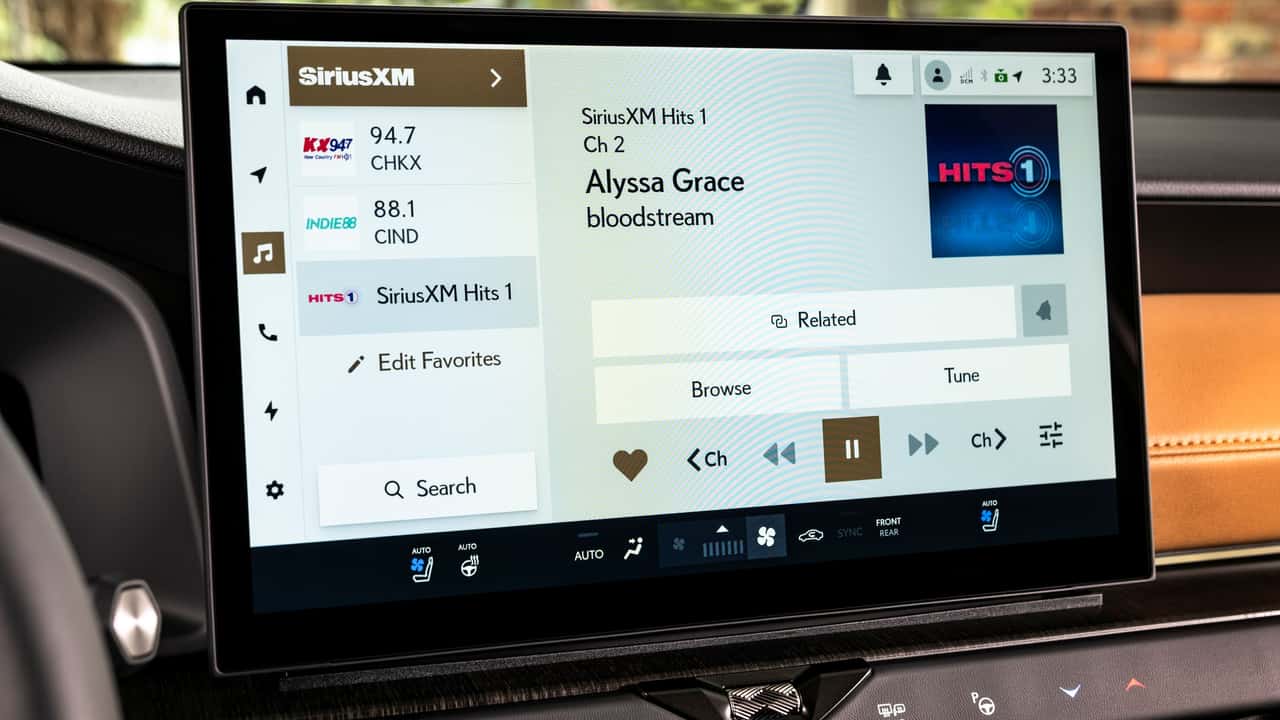
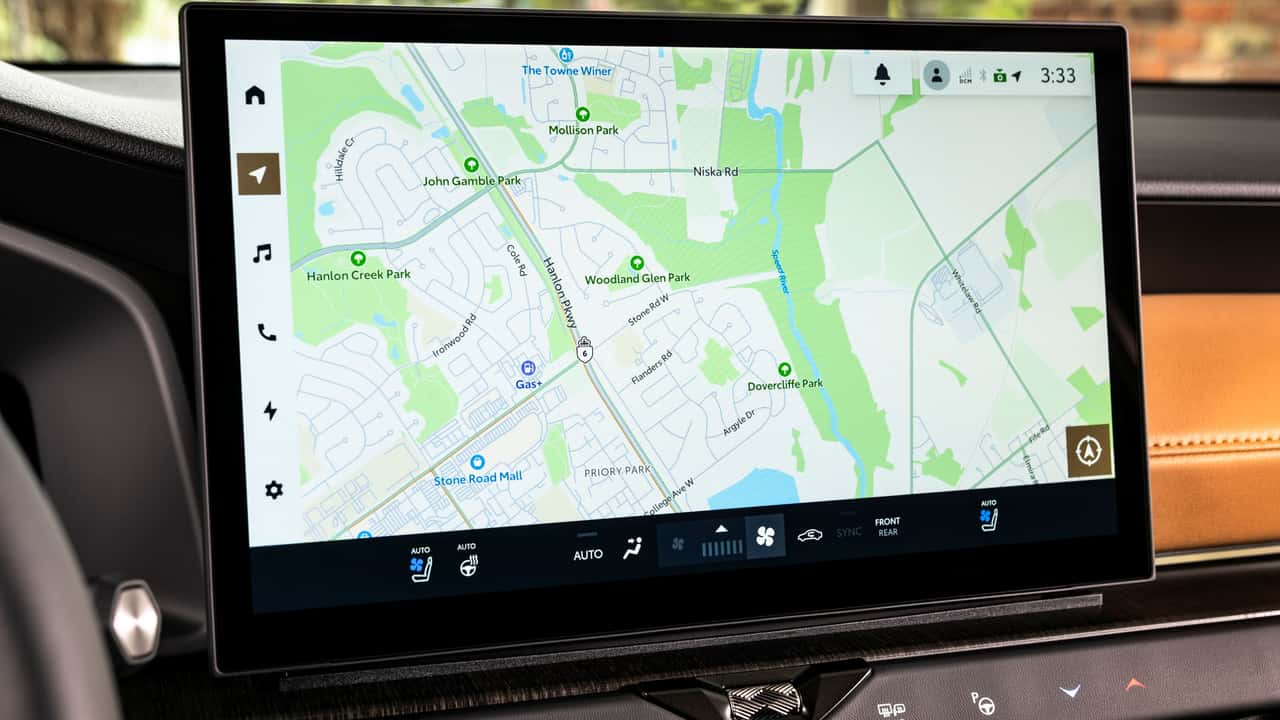
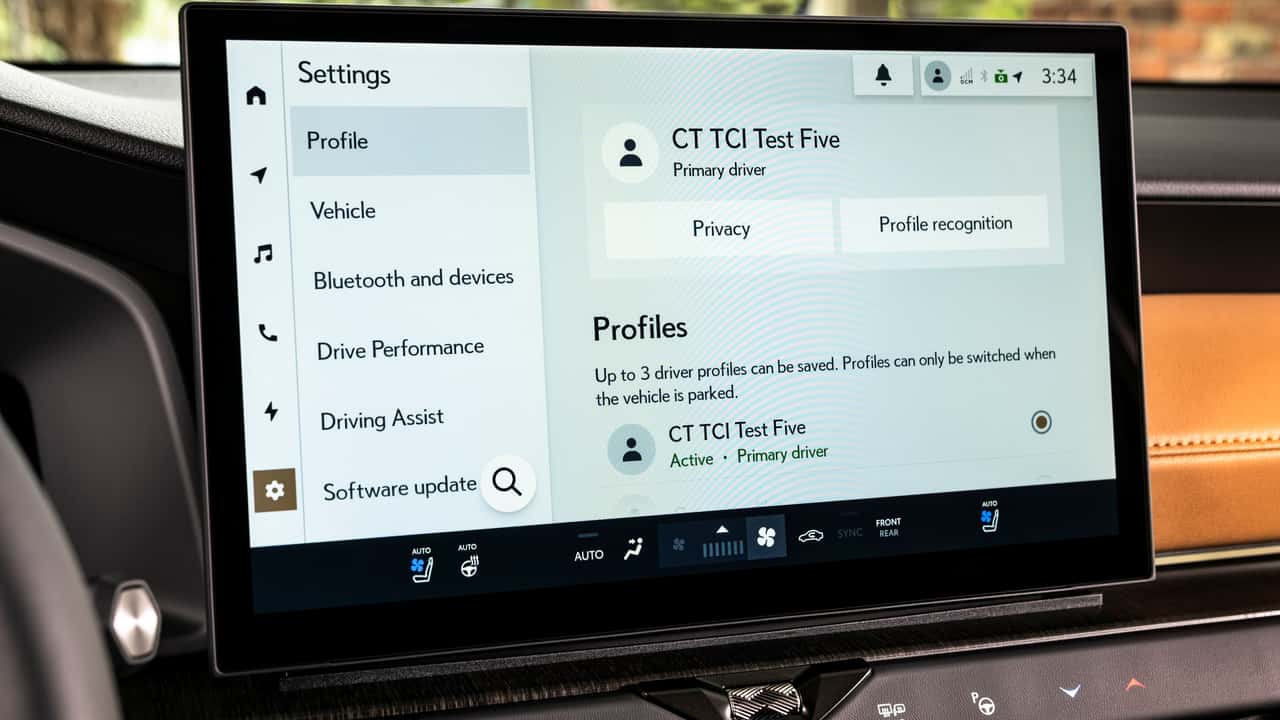
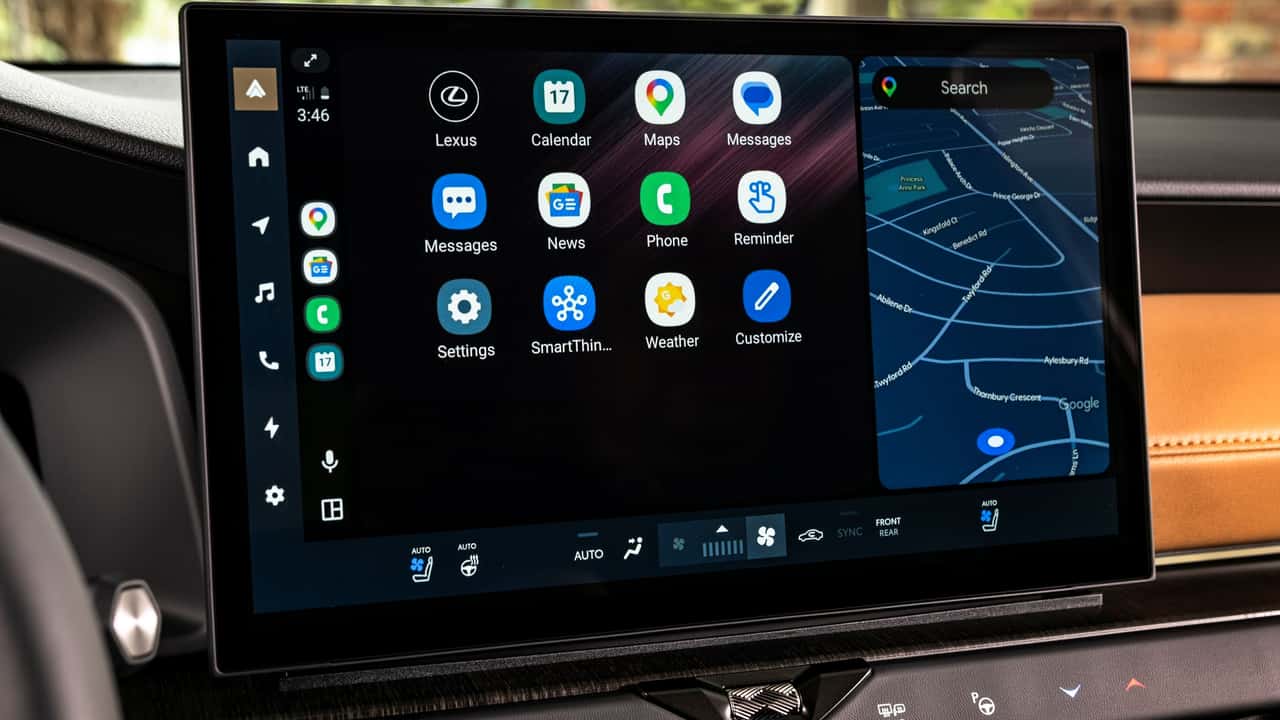
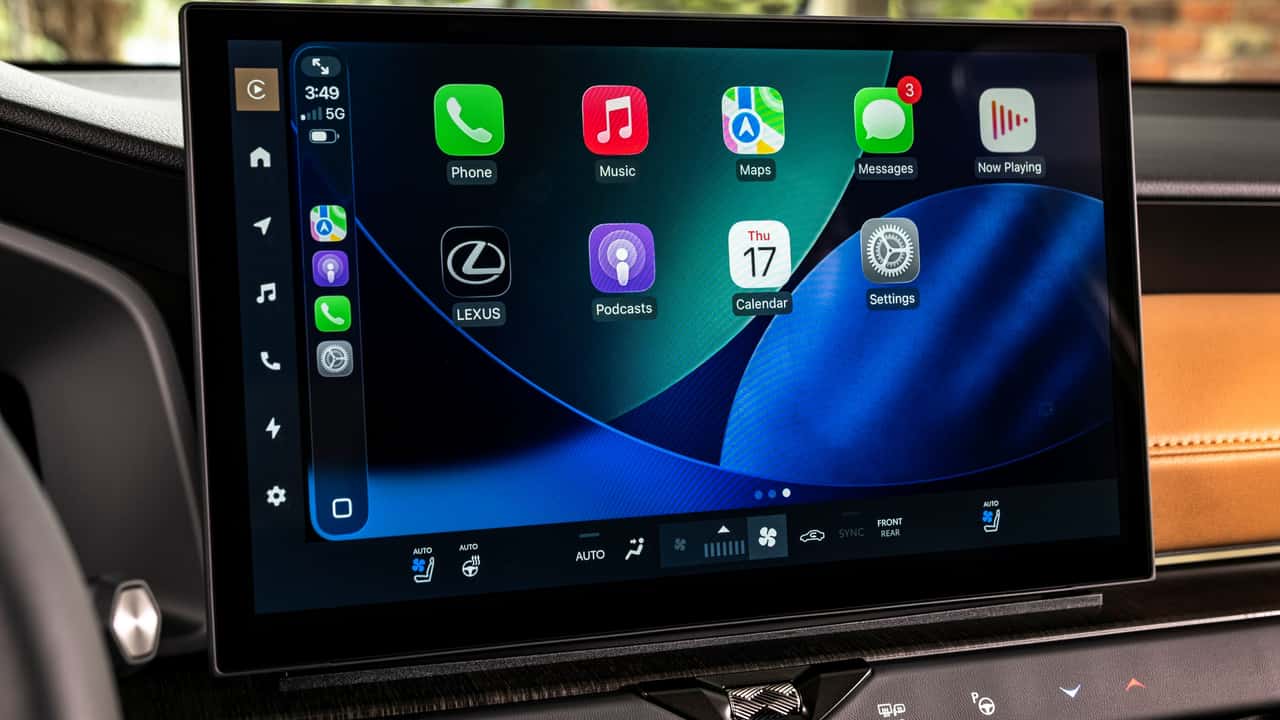
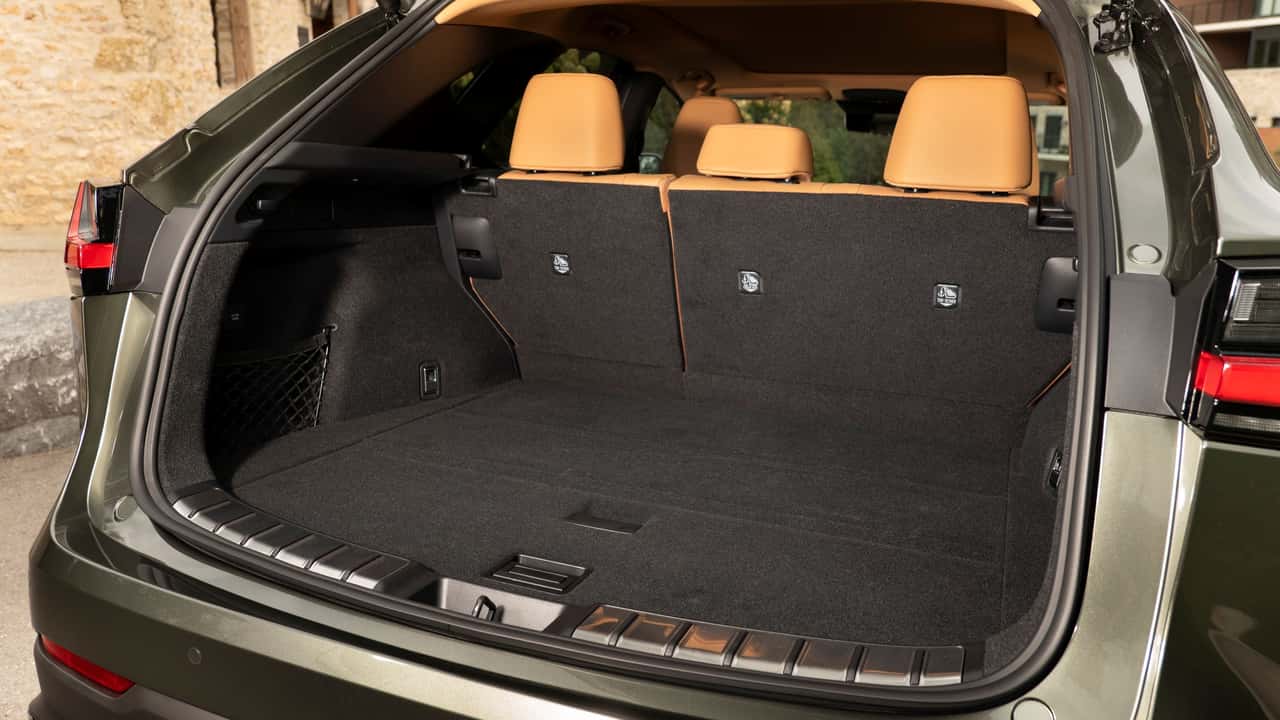
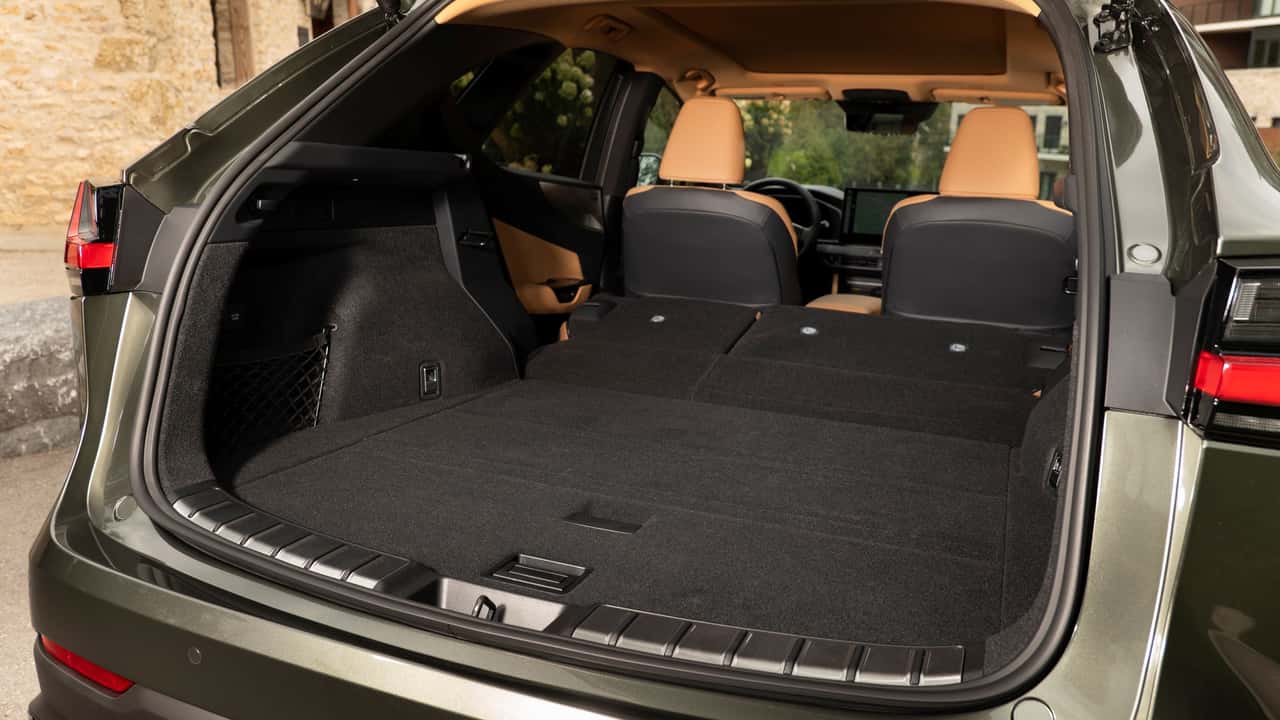
Styling-wise, the compact crossover now comes with a new face, redesigned taillights, and black accents instead of chrome. Inside, all NX versions feature a 12.3-inch digital instrument cluster and a 14-inch central infotainment screen running Lexus’ latest software.
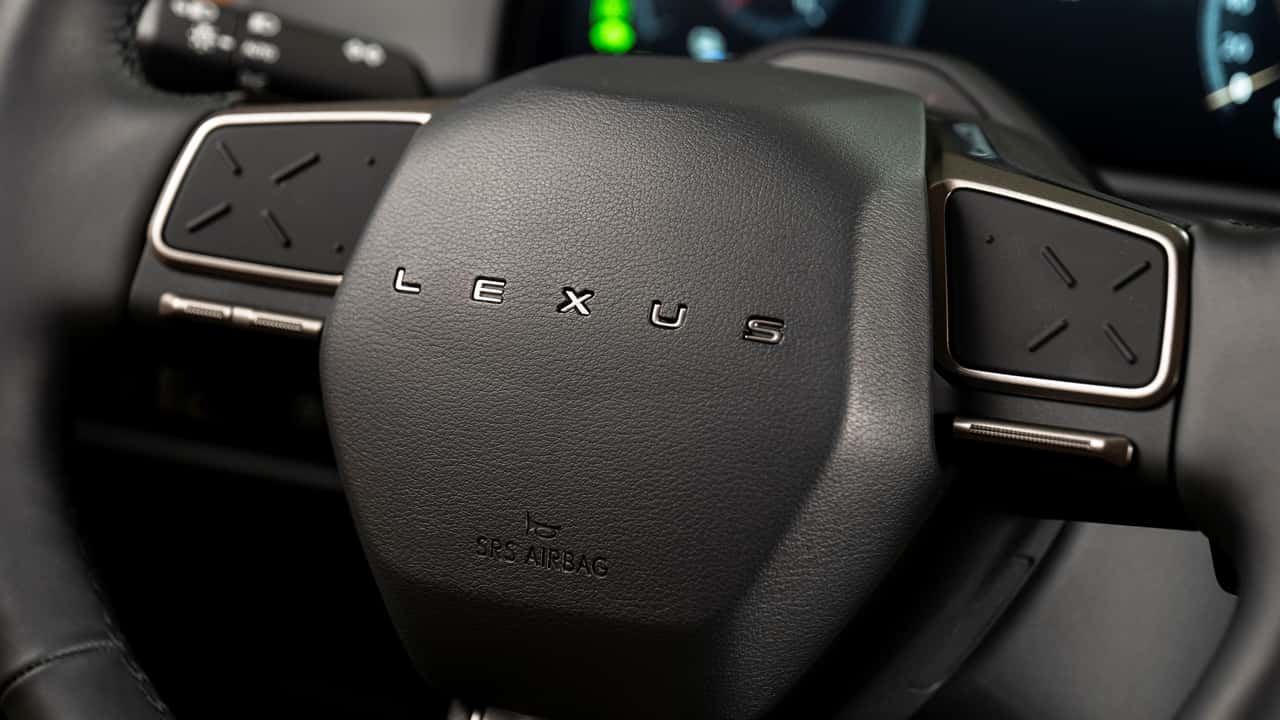
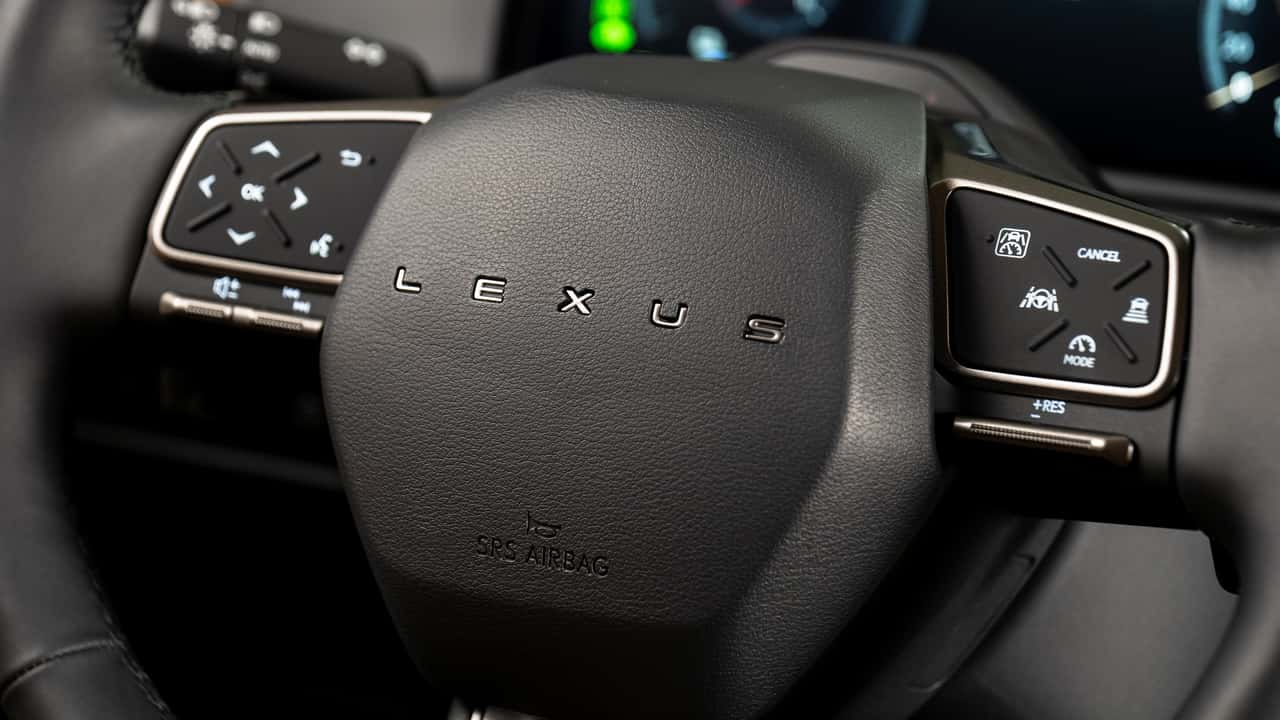
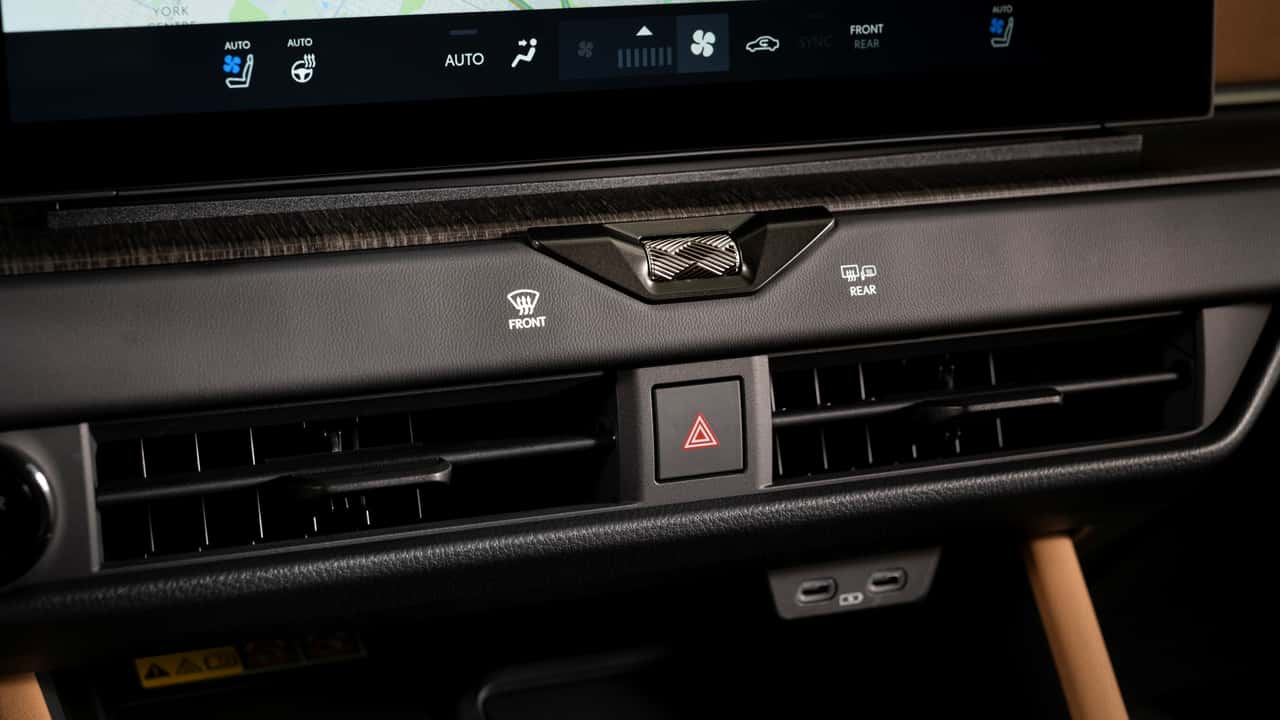
The steering wheel has a slightly smaller diameter than the 2026 model. On the dash, a soft-touch horizontal control panel hides a set of responsive switches with translucent surface panels for temperature control, defroster, and defogger.
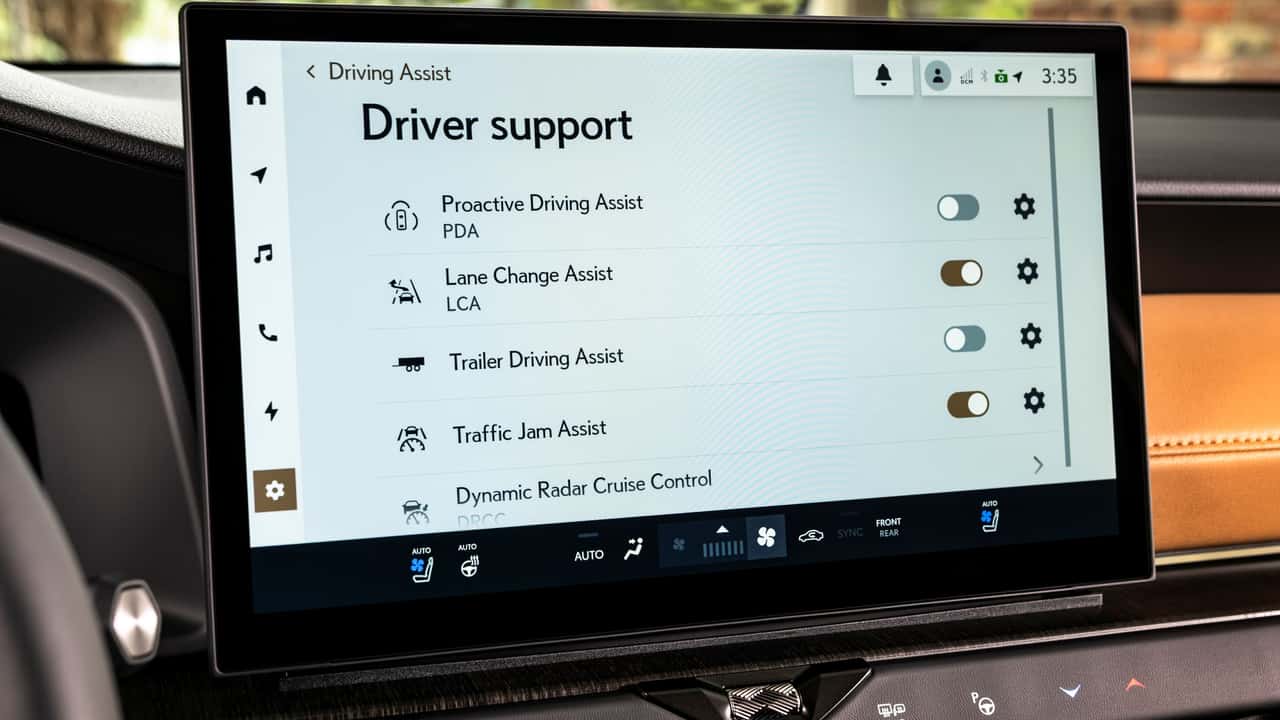
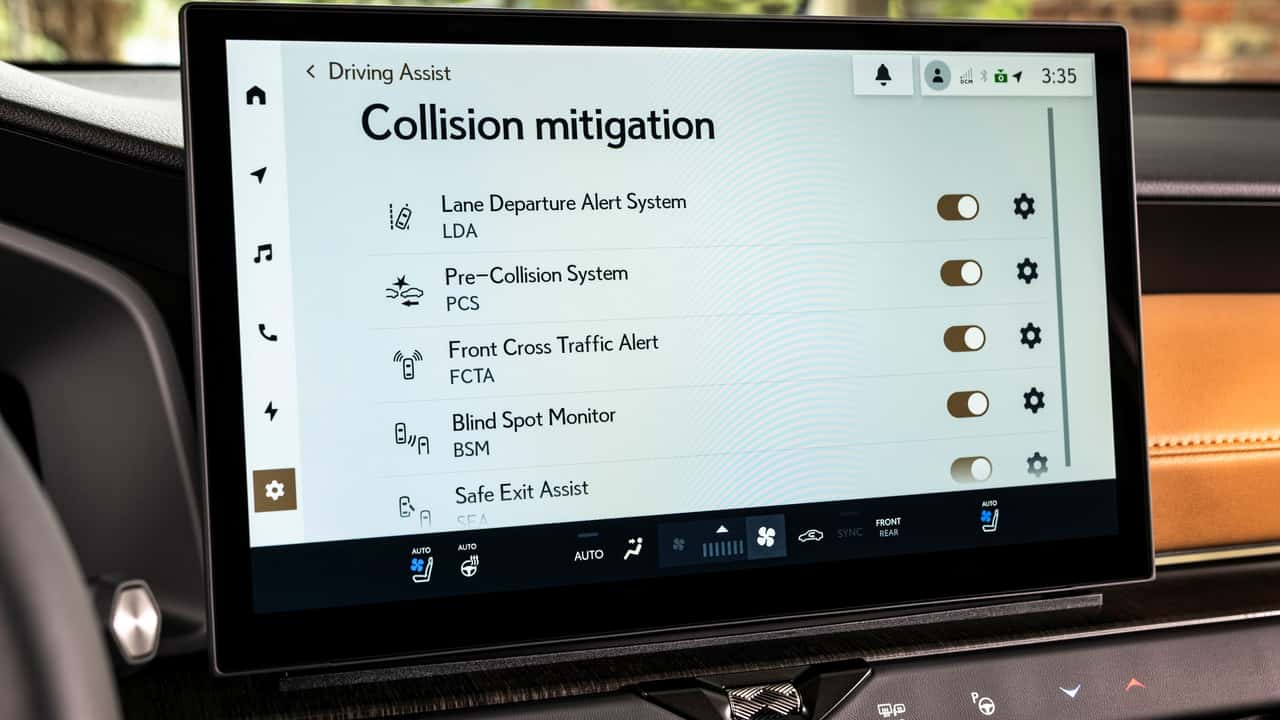
Last year’s base trim is out of the picture, leaving the Premium, Premium+, F SPORT, and Luxury grades on offer. All trim levels come standard with the automaker’s LSS+ 4.0 driver assistance system, which includes dynamic radar cruise control, lane centering, traffic jam assist, lane change assist, and automatic high beams.
Pricing for the 2027 Lexus NX has not been disclosed yet. The NX 350h hybrid is assembled at the Toyota Motor Manufacturing Canada (TMMC) plant in Ontario, Canada, as well as the Toyota Motor Kyushu (TMK) plant in Japan. Meanwhile, the 2027 Lexus NX 450h+ plug-in hybrid is assembled only at the Toyota Motor Kyushu (TMK) factory.
PHEV Batteries Take A Beating If Used Right. But They Still Last
Plug-In Hybrids Have An Emissions Problem. Carmakers Want To Delay The Fix
The Fix For Plug-In Hybrids That Don't Get Plugged In? Smaller Gas Tanks, New Report Argues
2028 Volvo XC60 And XC90 Plug-In Hybrids Get A Massive EV Range Boost










]]> contact@insideevs.com (Iulian Dnistran) https://insideevs.com/news/812539/2027-lexus-nx-hybrid-plug-in-hybrid-specs-range-official/ https://insideevs.com/news/812549/2027-kia-ev3-lease-finance-deals/ Tue, 20 Oct 2026 08:28:47 +0000 Kia EV3 Lease Deals Are Here, And It’s Cheaper Than The Chevy Bolt And Nissan Leaf Kia’s new entry-level EV is coming for the competition. The Kia EV3 can now be leased or financed. On a 36-month lease, Kia’s new entry-level EV is more affordable than its competitors. For less than $400/month, customers can get an all-wheel-drive model.
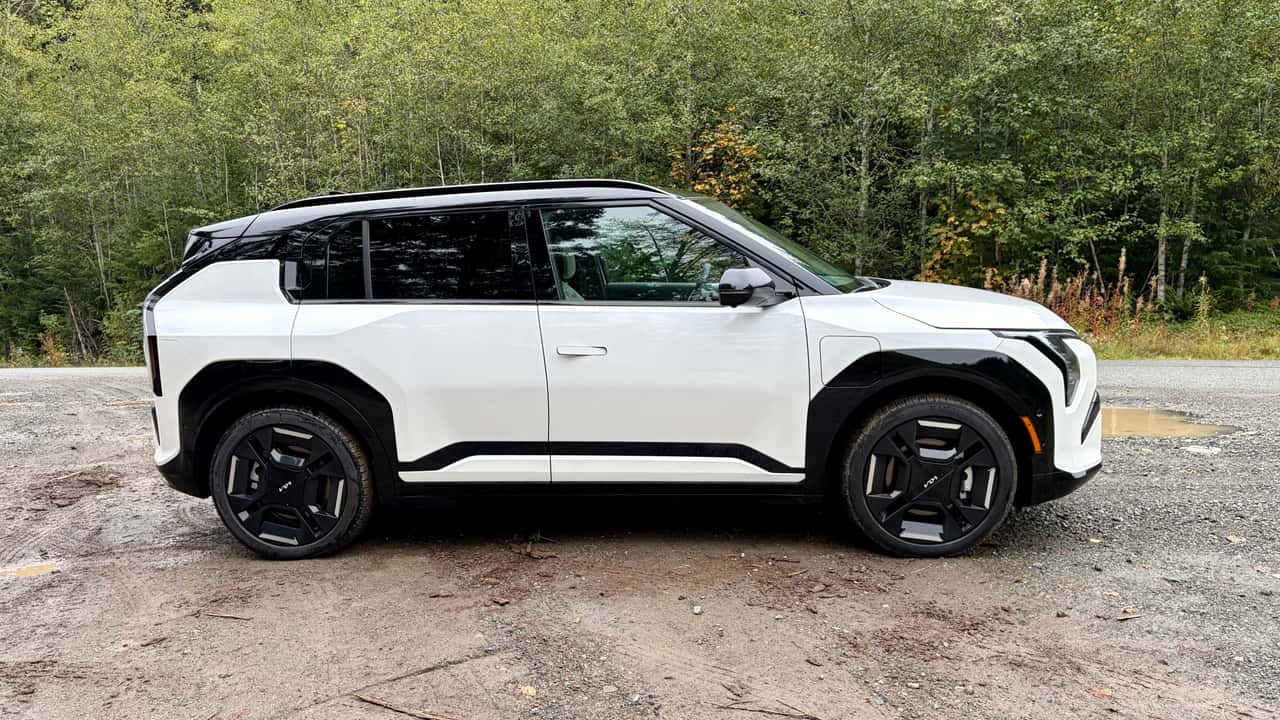
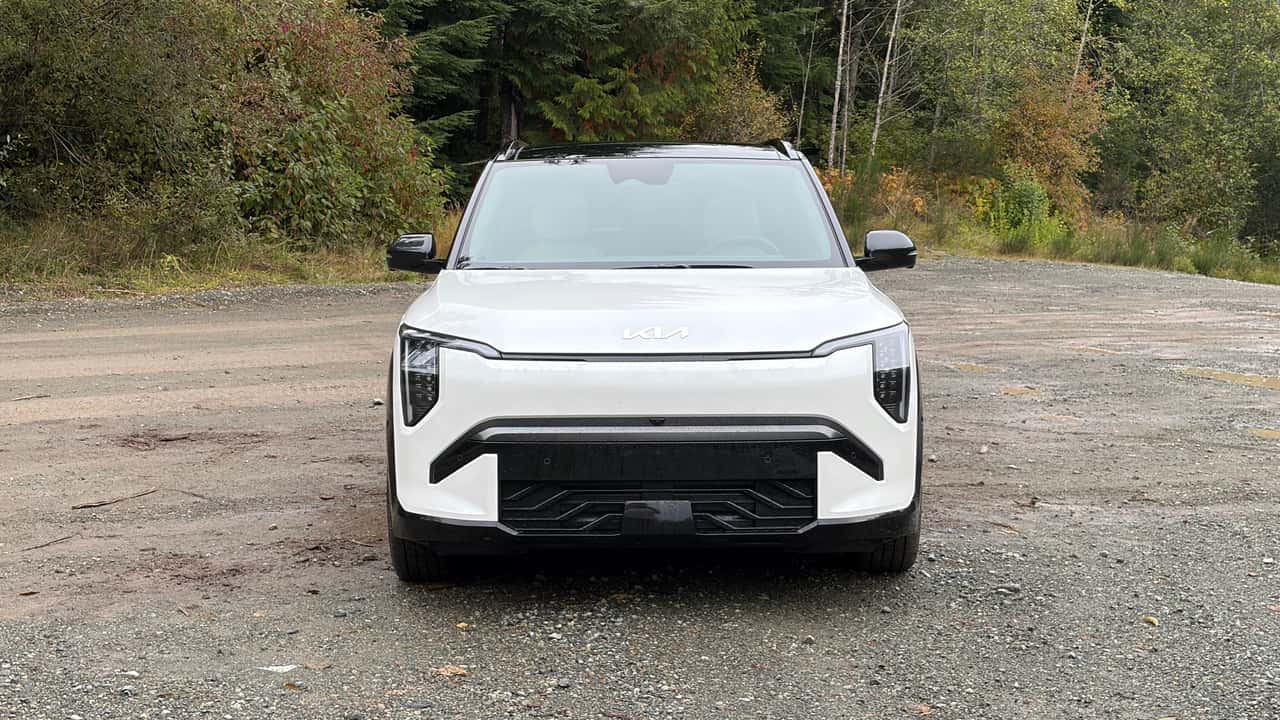
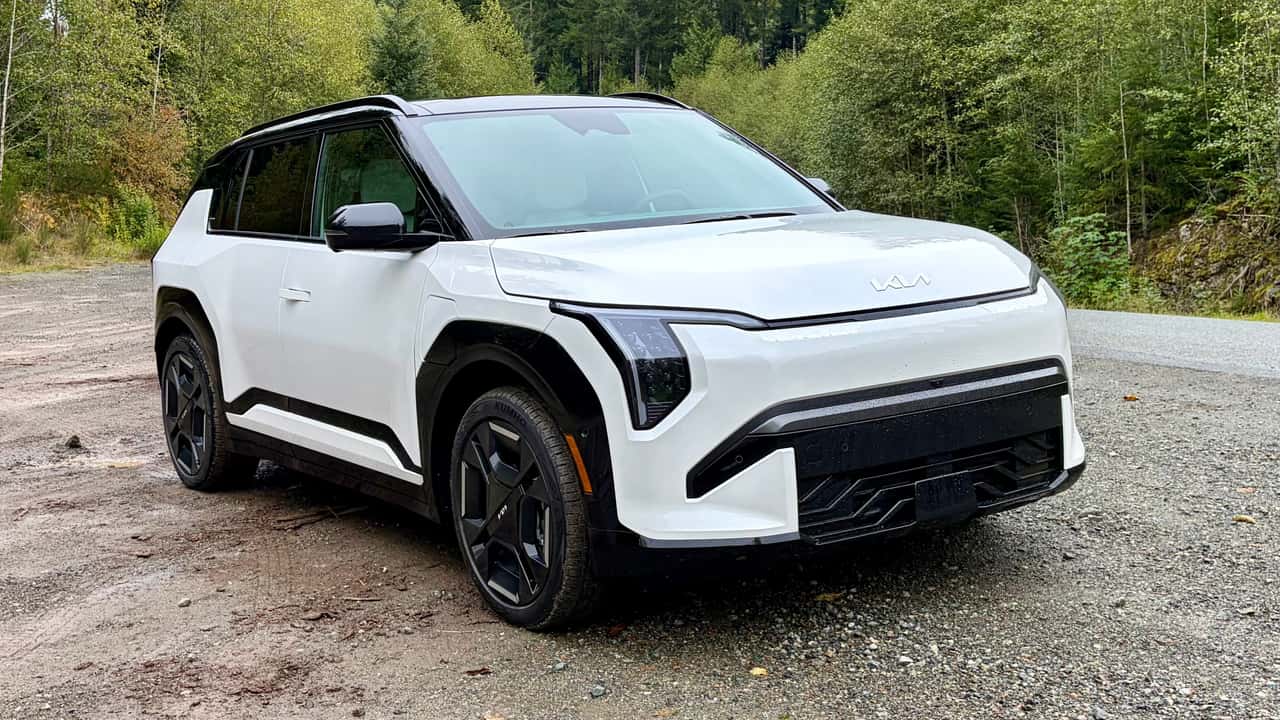
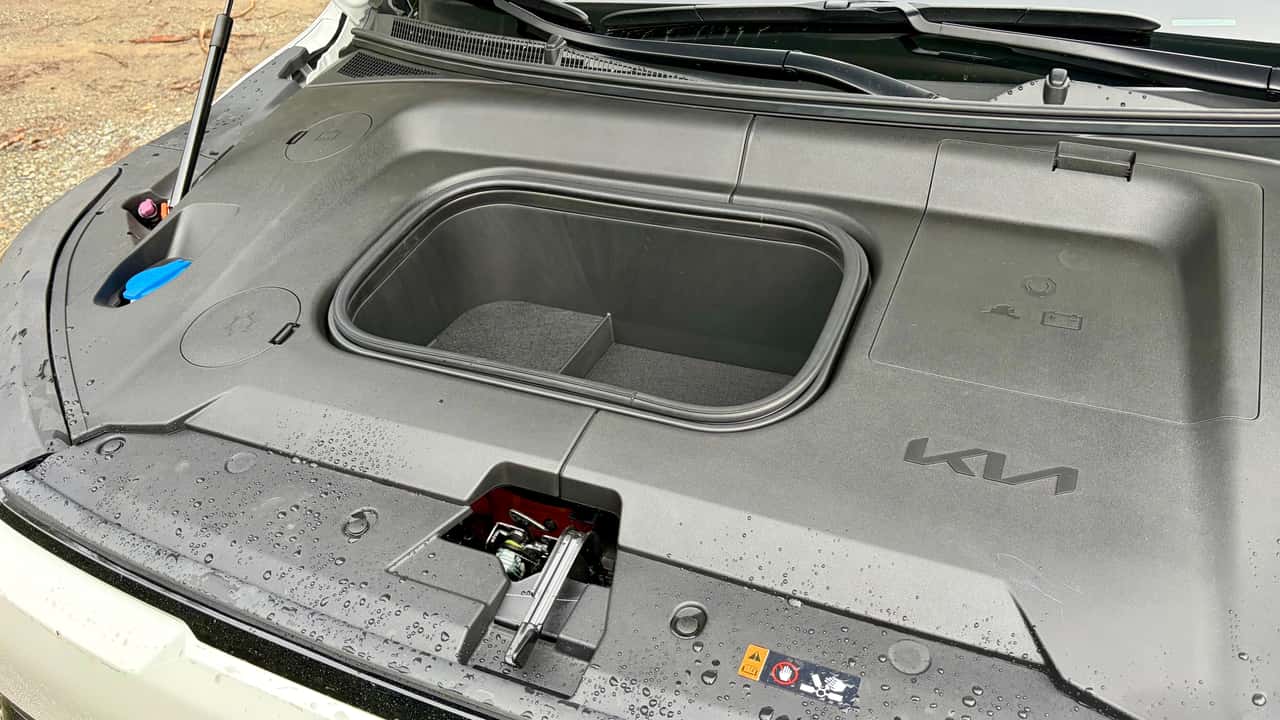
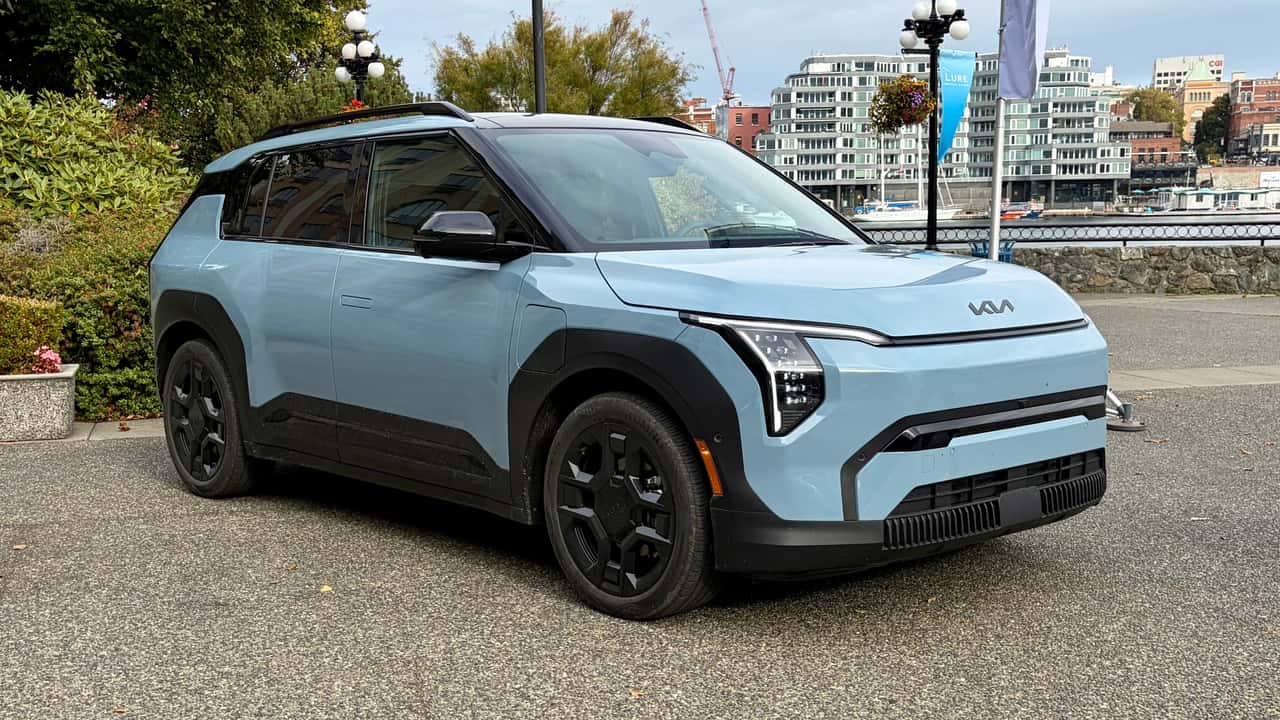
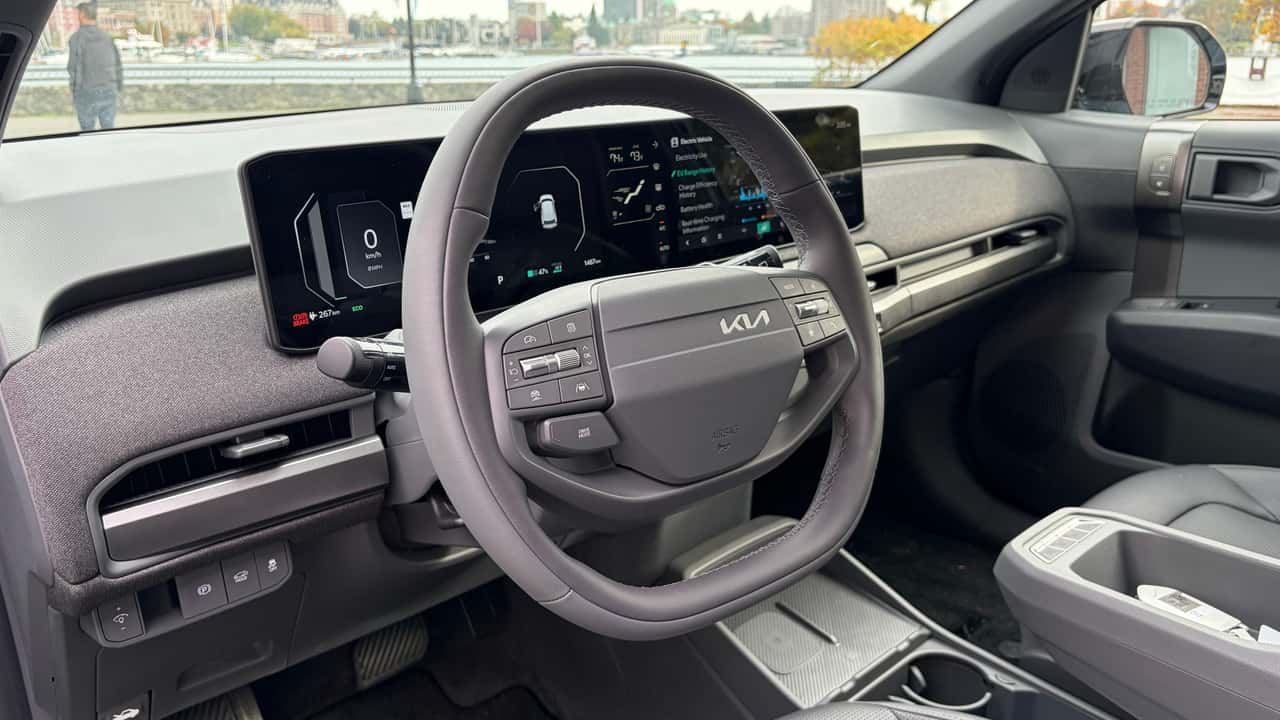
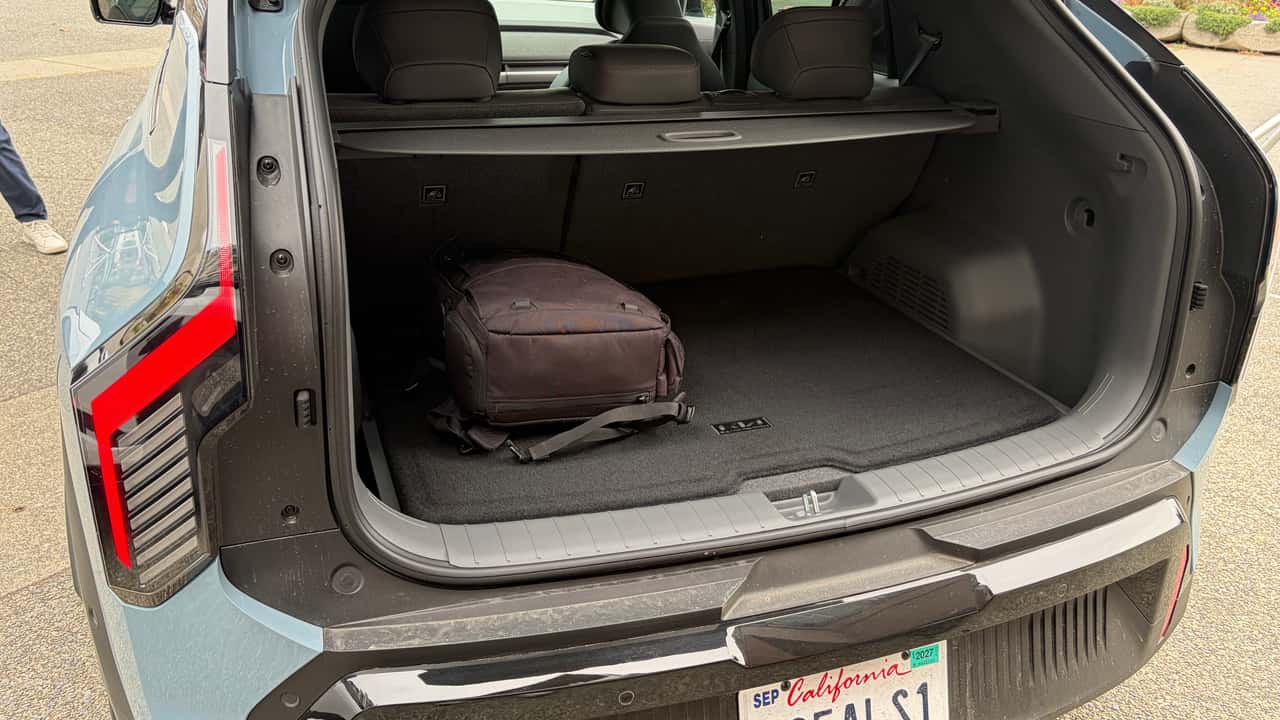
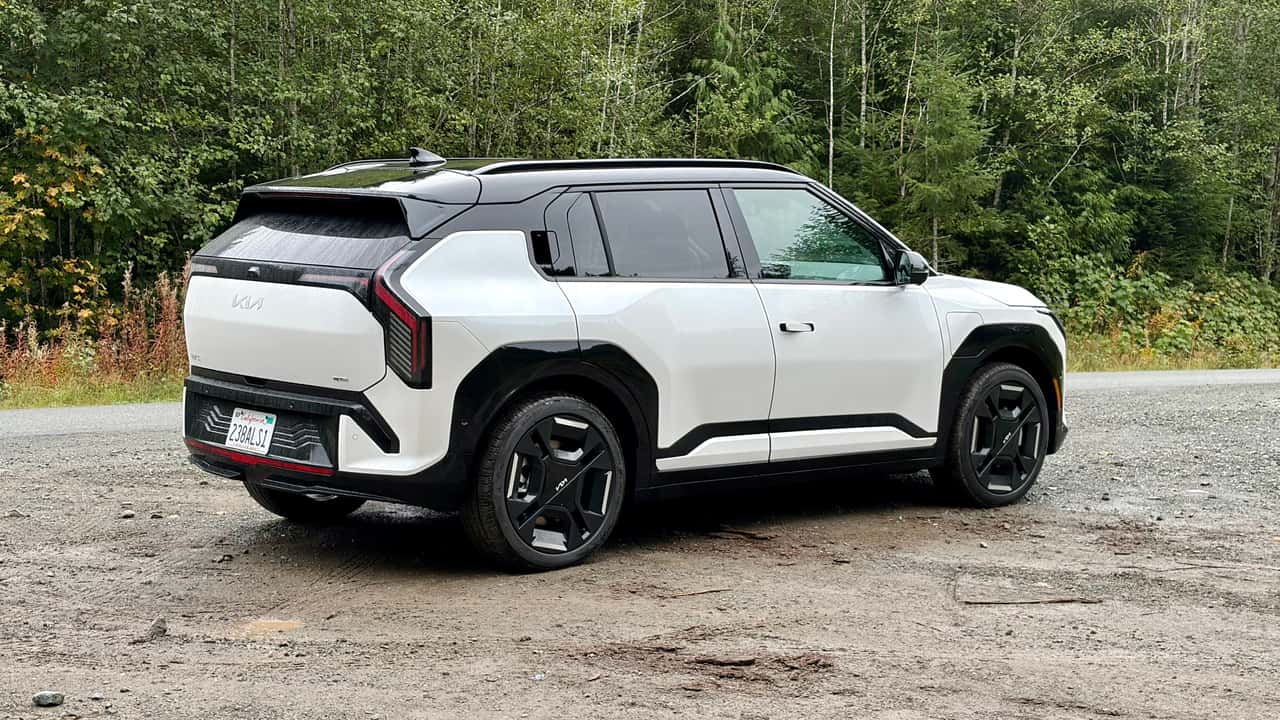
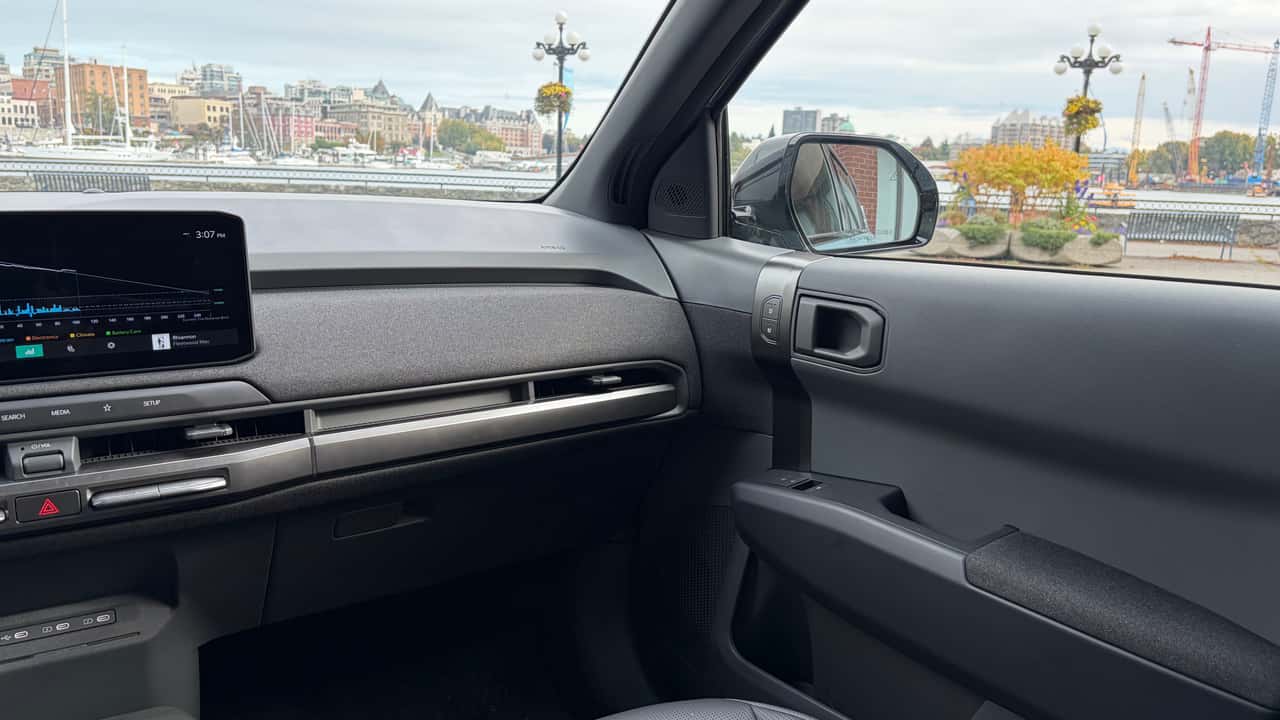
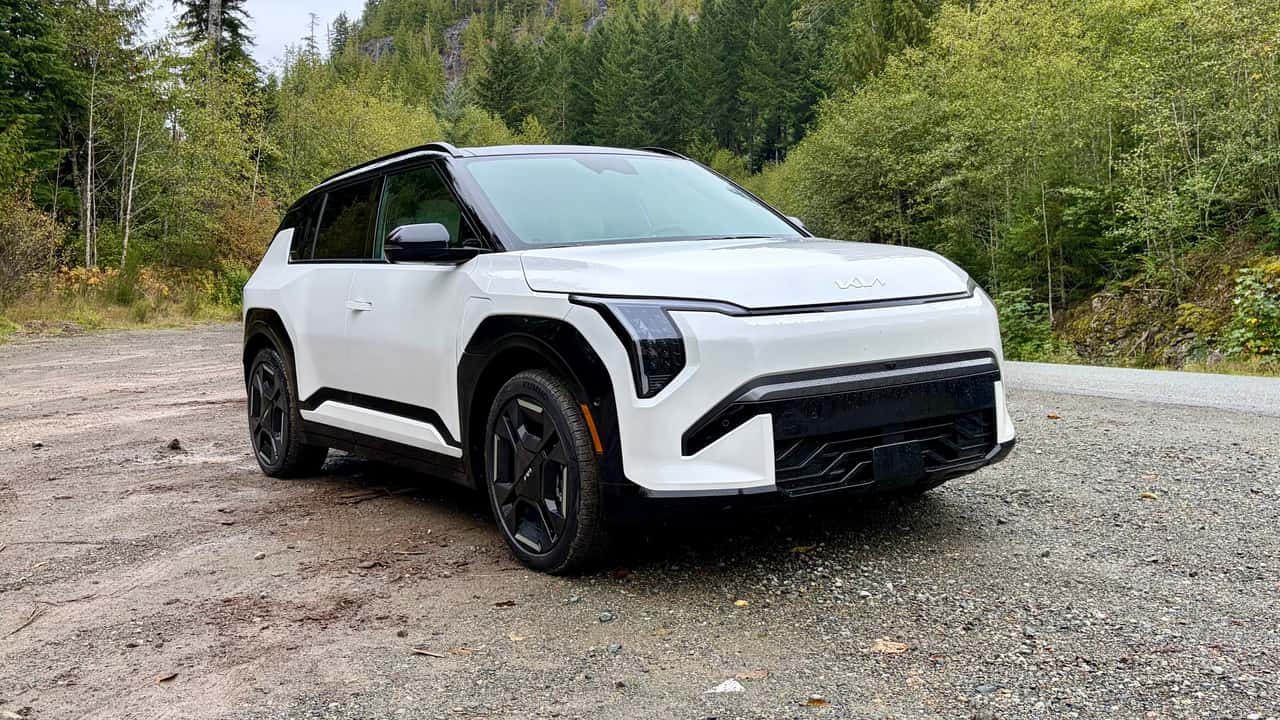
Kia has big expectations for the new EV3 crossover in the United States, and it’s doing everything it can to lure in buyers. After debuting in August with a $31,385 starting price, the entry-level electric hatchback is now coming after its biggest competitors with some aggressive lease and finance offers.
According to Kia, the base-spec 2027 EV3 Wind with a front-wheel-drive powertrain can be had for $321/month with a $3,999 down payment, a 36-month term, and a 10,000-mile yearly limit.
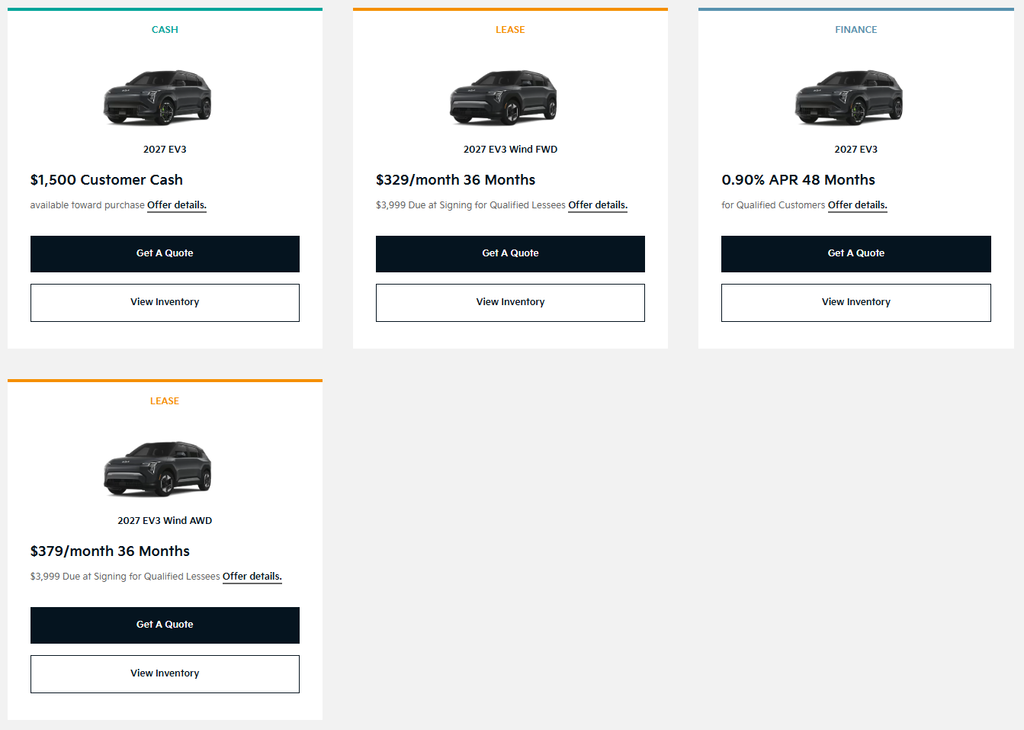 2027 Kia EV3 lease and finance offers Photo by: Kia
The bog-standard EV3 comes with a single, front-mounted electric motor that makes 201 horsepower. A 58.3-kilowatt-hour battery pack enables an EPA-estimated range of 221 miles. That’s more than decent, but Kia has an ace up its sleeve.
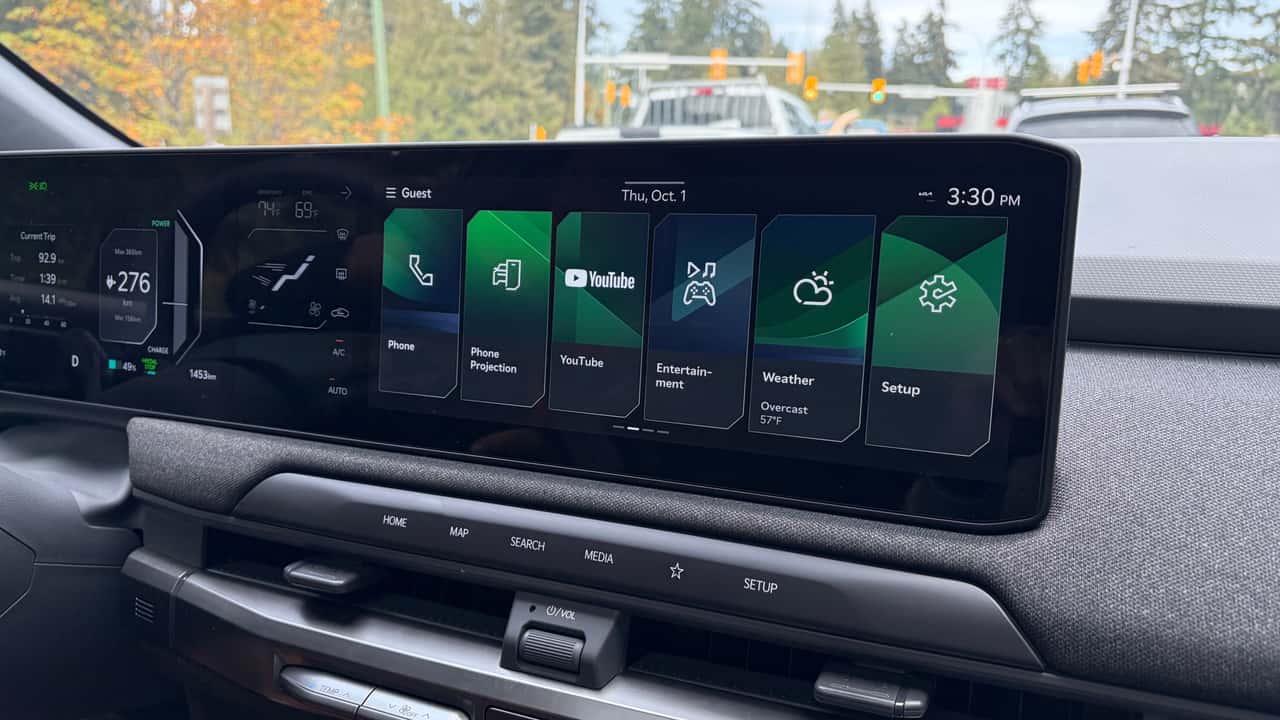
For just $8 more each month, customers can get behind the wheel of a 2027 EV3 Wind front-wheel drive, which gets a larger-capacity 81.4 kWh battery and a significantly longer driving range of 321 miles. The EV3 is also available with dual-motor all-wheel drive, and Kia wants $379/month for 36 months to lease you one in the same mid-spec Wind that offers heated front seats, a wireless phone charger, and wireless Apple CarPlay and Android Auto connectivity.
What’s more, Kia is putting $1,500 on the hood for new EV3 purchases, and customers who prefer financing get 0.9% APR for 48 months.
With numbers like these, the EV3 is the second-most affordable EV to lease in Kia’s American lineup, after the discontinued Niro EV but before the larger EV6. More importantly, though, the EV3’s debut on the lease market undercuts the Chevrolet Bolt and Nissan Leaf.
With the same contract length and down payment, the base 2027 Chevy Bolt costs $423/month to lease, while the 2027 Nissan Leaf S+ can be had for $474/month. Nissan currently has a slightly better deal for the SV+ trim, though, at $449/month.
With these prices, the Bolt and Leaf, both of which are only available with front-wheel drive, are more expensive than the all-wheel-drive EV3. Range-wise, the longest-range Nissan Leaf delivers 303 miles on a full charge, while the Chevrolet Bolt manages 262 miles.
When buying with cash, the 2027 Chevy Bolt is still the cheapest, with a starting price of $28,995, but the Kia EV3 is not too far behind. With the $1,500 bonus, Kia’s new EV starts at $29,885. Meanwhile, the Nissan Leaf starts at $31,565.
The Kia EV3 took its sweet time getting here, but it’s finally here to capture an audience that its competitors have so far failed to attract. Sales of the Leaf and Bolt have been lackluster, to say the least, leaving plenty of room for the EV3 to swoop in. Kia said it expects the EV3 to be its best-selling electric model in the U.S., but we’ll have to wait and see if Americans actually want a small battery-powered commuter car in their driveways.
Kia Expects The Affordable EV3 To Be Its Best-Selling EV In The U.S.
The 2027 Kia EV3 Is Almost Here—With 280 Miles Of Range For The AWD Models
Volvo Will Replace The Canceled EX30 With A New Affordable EV
Mitsubishi's Clone Of The Nissan Leaf Isn't All That Cheap
]]> contact@insideevs.com (Iulian Dnistran) https://insideevs.com/news/812549/2027-kia-ev3-lease-finance-deals/ https://insideevs.com/news/812502/rivian-r2-delivery-process/ Mon, 19 Oct 2026 20:42:36 +0000 Here's What It's Like To Take Delivery Of A Rivian R2 You might be dreaming of what it's like to take delivery of an R2, but this is what it's like.
Taking delivery of a brand-new car is always an exciting moment. Getting your brand Rivian R2 dropped off at home is even more exciting, because this thing is crucial to Rivian's future and an important model for America's struggling EV industry. But a new EV like the R2 can come with a steep learning curve, given its extraordinary levels of tech. In this new video from State of Charge, host Tom Moloughney takes delivery of his new R2 and shows you what it's like, and how the delivery specialist educates the customer.
After getting the boring paperwork out of the way, the specialist will give you a walkaround of the car, going over the color, interior, and wheel options you chose and all that fun stuff. But they also go over how some of the functions work, like the frunk and the keyfob (the R2 mercifully has a keyfob and not only stupid keycards, like Tesla and Lucid). Do most customers need to know how to use every feature? No, probably not. But, hey, it's nice to have the educational option for those who need it.
Since Moloughney lives in New Jersey (as all wise people do), Rivian threw in a few goodies gratis, since NJ is a CARB state. So in the trunk of his new R2 was a J1772 adapter, a combo CCS1 adapter, and a portable charger, all on the house.
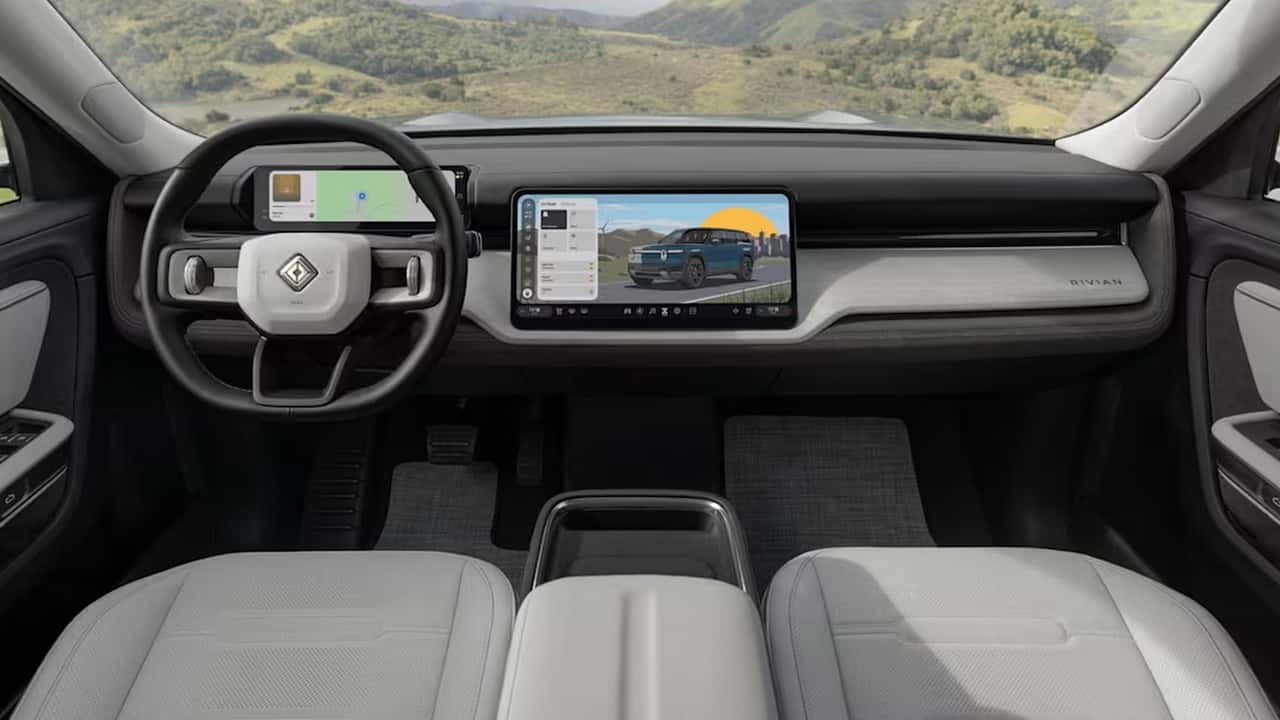 Photo by: Rivian
Moloughney says the specialist also went over some important info that even some seasoned EV owners might be curious about, like how the 120-volt socket in the trunk can deliver 16 amps, and the cool power sliding rear window.
Where most customers are going to at least need a crash course is inside. The R2 is chock full o' tech, like the Haptic Halo Wheels that control features on the steering wheel.
There are plenty of other teaching points in an R2's delivery process, so it's worth checking out. If you want to buy an R2 and are looking forward to what delivery day might be like, this could be a fun watch. Or if you're nervous about the R2's tech, and it's making you apprehensive about buying one, this video could help you see what the learning curve is actually like. Or maybe you just like hearing a Jersey guy talk EVs, which explains why you made it this far.
A Rivian R2 Owner Shares The Good And Bad After 2 Months
Rivian R2's Ventilated Seats Just Got Downgraded. Buyers Are Outraged
]]> contact@insideevs.com (Nico DeMattia) https://insideevs.com/news/812502/rivian-r2-delivery-process/ https://insideevs.com/news/812497/record-used-ev-sales-september-2026/ Mon, 19 Oct 2026 19:39:35 +0000 Used EVs Hit A Record Share Of Overall Used Car Sales In September Booming used EV sales suggest people do want plug-in models, as long as the price is right. Used electric cars reached a record 3.3% share of the total used car market. The Tesla Model Y, Chevy Equinox EV, and Nissan Ariya are some of the most popular used EVs. Prices of pre-owned models have increased due to higher demand.
Electric vehicles may be having a rough year in the new car market, but the demand for used models is soaring. Used EVs accounted for a record share of all used vehicle sales in the U.S. in September, as lower prices relative to brand new cars and a growing pool of pre-owned models returning to dealer lots helped drive demand.
A record 47,862 used EVs changed hands last month, up 12.3% from August and 21.2% from a year earlier, according to Cox Automotive’s latest EV Market Monitor. It’s a glimmer of hope after the end of federal tax credits last September and the recent rollback of fuel economy norms that hamstrung the sales of new EVs.
It also captures the broader affordability crisis in the auto industry. Not everyone can spend on a new electric car, whose average transaction price was $55,842 in September, according to Cox. Although more affordable models are now on sale, like the Chevy Bolt, Nissan Leaf, and the Kia EV3. However, sales of both the Bolt and Leaf have been lackluster. Chevy sold 3,866 Bolts in Q3, whereas Nissan only sold 634 Leafs, per Cox.
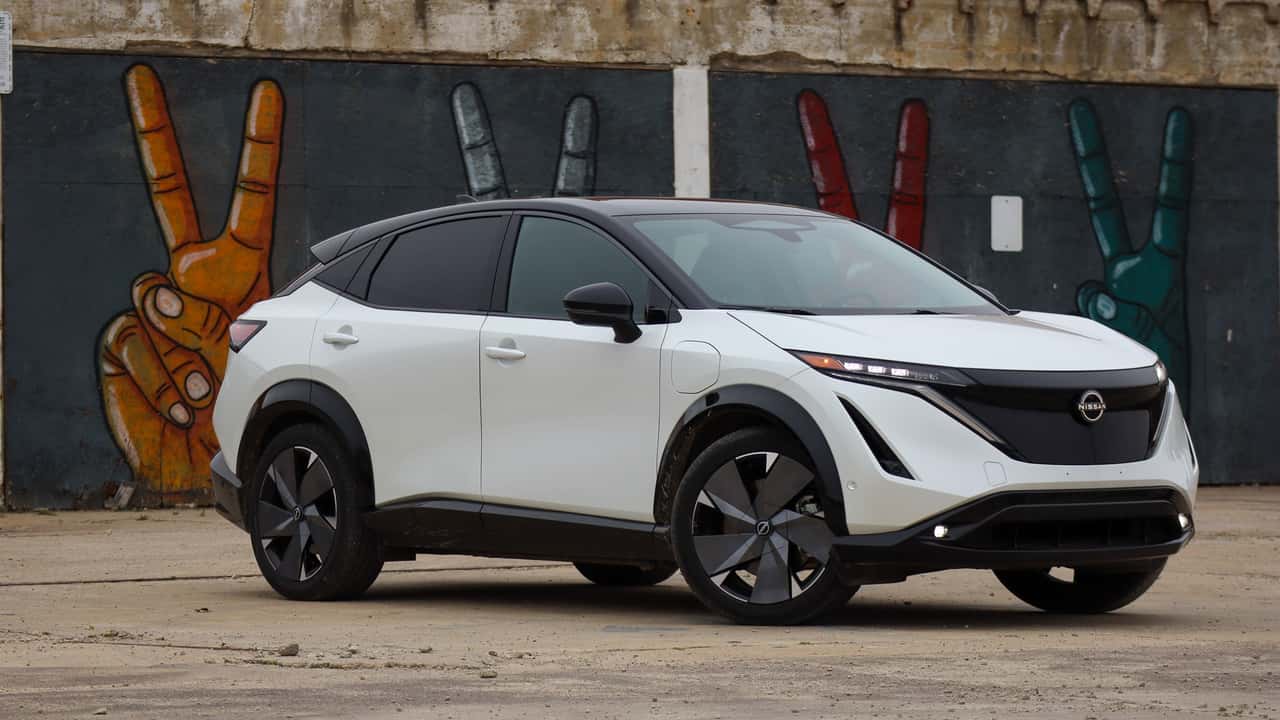
Nissan Ariya
Photo by: Kevin Williams/InsideEVs
However, the influx of used models is now making EV ownership possible for a broader group of buyers. Many of these models are larger and more practical crossovers like the Tesla Model Y and Chevy Equinox EV that U.S. buyers gravitate towards more than smaller models. This supply of incoming trade-ins and off-lease vehicles is giving shoppers more models and price points to choose from, per Cox.
The affordability equation is improving, albeit gradually, Cox said. The average listed price of a used EV fell 1.8% from August to $36,767 in September. That was still 6.2%, or $2,137, more than the average gas car. But the gap narrowed from $2,692 a month earlier, bringing used EVs closer to price parity with their combustion counterparts.
Tesla continued to lead the used EV market, while Ford and Chevy also posted strong gains. Used sales rose 21.3% for Chevy and 17.1% for Ford month over month. Among individual models, the Nissan Ariya and Chevy Equinox EV saw sales jump 42.5% and 41.9%, respectively. The Chevy Blazer EV, Ford Mustang Mach-E, Kia EV9, and Tesla Model Y also had strong demand among used EVs.

Chevy Equinox EV LT
Photo by: Motor1.com
Another encouraging sign was how much time used models were sitting on dealer lots. Used EV supply fell to 35 days in September, down 16.7% from August. The comparable figure for gas and other non-EVs was 46 days, suggesting used EVs were moving relatively quickly through the market.
That said, the contrast with new EVs is pretty striking. New EV sales fell 40.7% year over year in September to an estimated 86,632 units, although their share of new-car sales edged up to 6.5% as the broader market contracted.
The report added that the used market isn't big enough to offset that decline on its own, and EVs still carry a price premium. But a record market share suggests more shoppers are finding electric cars worth considering when they don't have to spend a fortune on them.
Contact the author: suvrat.kothari@insideevs.com
Tesla Burned Through Its California EV Rebate Funds In Just Five Days
Your Next Cadillac Or Chevy EV Could Have A Recycled Battery
California’s EV Push Goes Beyond Giving Buyers $3,500
The Used EV Market Just Got Weirder
]]> contact@insideevs.com (Suvrat Kothari) https://insideevs.com/news/812497/record-used-ev-sales-september-2026/ https://insideevs.com/news/812479/nio-firefly-battery-pack-upgrade/ Mon, 19 Oct 2026 19:04:38 +0000 Nio's Little Electric Car Has A Cool Party Trick: Upgradeable Range This isn't the first Nio to have swappable batteries but the ability to upgrade is something few EVs have.
Over-the-air updates revolutionized the car ownership experience, allowing vehicles to get vastly upgraded features while they sit idle in a driveway overnight. Nio is bringing that idea to car hardware too, launching a bigger battery pack for its Firefly city car that current owners will be able to upgrade to.
Current Nio Firefly owners have a 42.1 kWh battery pack, good for 420 km (261 miles) on China's admittedly very forgiving CLTC cycle. Now Nio is introducing the car with a larger 60 kWh battery. Additionally, existing customers who want the 60 kWh battery can pay to upgrade, a Chinese blogger reported, citing comments Firefly's head of brand marketing made at an owners event.
Once the new one is installed, they'll have 560 km (348 miles) of CLTC-rated range, which is a huge upgrade. This new battery, sourced from CATL, is dimensionally the same as the old one, according to reports, just with a different lithium-ion chemistry. Instead of the older lithium-iron phosphate chemistry, the 60 kWh pack will reportedly use a nickel-cobalt-manganese chemistry, which helps explain how Nio was able to increase capacity without changing the pack's footprint.
 Photo by: Nio
Swappable batteries aren't new. Nio has been able to swap batteries in its vehicles for years, through its car-wash like stations. Typically, the swap is good for a quick recharge, allowing you to get a fresh battery in minutes rather than spending a half-hour or more to charge. The automaker's battery-as-a-service subscription has also allowed Nio owners to choose bigger or smaller packs at the swapping station to suit their needs.
The idea of being able to upgrade to a larger pack is probably welcome news for Firefly owners, who didn't have a huge amount of range to begin with. And I'm sure there are more than a few owners of lower-range Chevy Bolts and the like in the U.S. who wouldn't mind stepping up to a larger battery with more capacity.
But this concept doesn't exist in any meaningful way in the States. Here, battery swaps are typically a last-resort measure, reserved for when a pack becomes toast. There was a time when Tesla offered larger-capacity battery replacements for the Roadster. But generally your vehicle is stuck with the battery capacity and range that it came with, and both of those numbers decline as you pack on the miles and charging sessions.
One outlier in the West seems to be Ferrari—not exactly the everyman's car like the Firefly. When Ferrari unveiled the Luce EV, it specified that the module design will allow owners to benefit from newer chemistries and battery improvements over time.
It's not clear how much the upgrade will cost, nor whether Nio owners will be able to rent the larger pack or buy it outright. The upgrades will likely happen at Nio's battery-swapping stations, which cars from its Firefly sub-brand recently gained access to thanks to a newer station design. More details will reportedly come out during an October 23 launch event.
I Drove The Nio Firefly In China. I Walked Away Mad
While You Stop For A 30-Minute Charge, Nio Just Swapped 1 Million EV Batteries In A Week
]]> contact@insideevs.com (Nico DeMattia) https://insideevs.com/news/812479/nio-firefly-battery-pack-upgrade/ https://insideevs.com/news/812134/android-auto-google-maps-ev-route-planning-lexus/ Mon, 19 Oct 2026 17:17:36 +0000 I Let Android Auto Plan My EV Roadtrip. Here’s How It Worked Route planning on Android Auto makes battery-powered road trips an absolutely breeze.
Google is taking the guesswork out of long electric vehicle road trips by rolling out route planning on Android Auto. The tech giant first made the announcement in March, and the feature is coming to EVs from more than a dozen automakers. I got to try it out this week in the Lexus ES 350e, and it's genuinely useful, albeit slightly inaccurate.
Route planning basically suggests charging stops along your way, so you don’t have to waste time calculating how much range you need to reach your destination. The EV can do that for you based on its battery percentage and range.
Many EVs already offer this capability through their factory navigation systems. Tesla and Rivian have offered integrated route planning for years. Neither of them support Apple CarPlay or Android Auto, but their native systems work so brilliantly that you barely ever have to think about charging while covering longer distances, since the EVs literally tell you where and how long to stop to recharge.
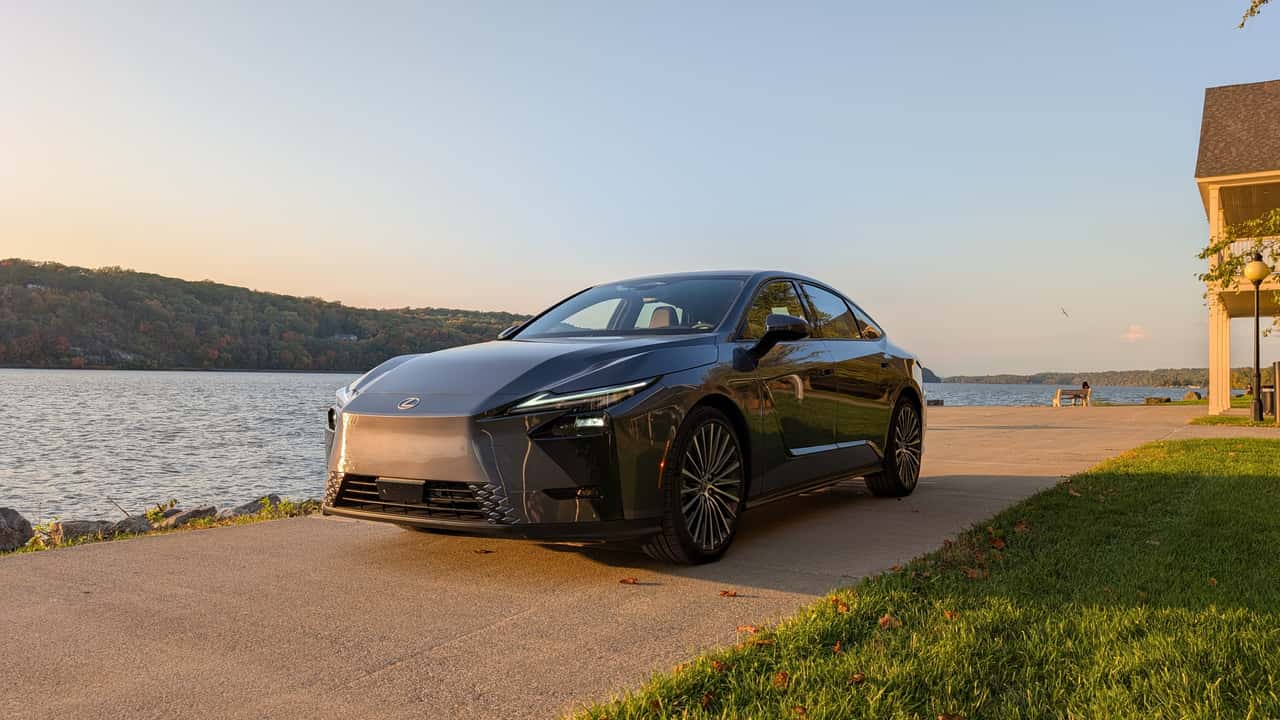 Photo by: Suvrat Kothari
However, Android Auto has the potential to democratize route planning in a way that’s never been done before. It can support EVs old and new, across price brackets and segments. Google said the roll out will support more than 15 brands to begin with, and more will be added over time.
It’s kind of a big deal, especially for drivers on the fence about going electric, as it can eliminate the task of finding plugs yourself. The update came to the ES 350e while I had it for testing, and it removed the psychological barrier of charging anxiety, even though I knew there were plenty of charging options along my usual test routes.
How To Activate EV Routing On Android Auto
Because Android Auto is only a smartphone mirroring system, and not connected to your vehicle’s on board diagnostics, Google Maps won’t know your range and battery percentage by itself. Thankfully, getting EV routing up and running just takes two simple steps.
First, open Google Maps on your smartphone, tap your profile icon in the upper-right corner, and navigate to Settings, followed by Your Vehicle. Enter your EV's make, model, model year, and trim, then select its compatible charging connector. Depending on your vehicle, the available options include CCS or Tesla-style NACS connector. You also have other options like CHAdeMO or J1772.
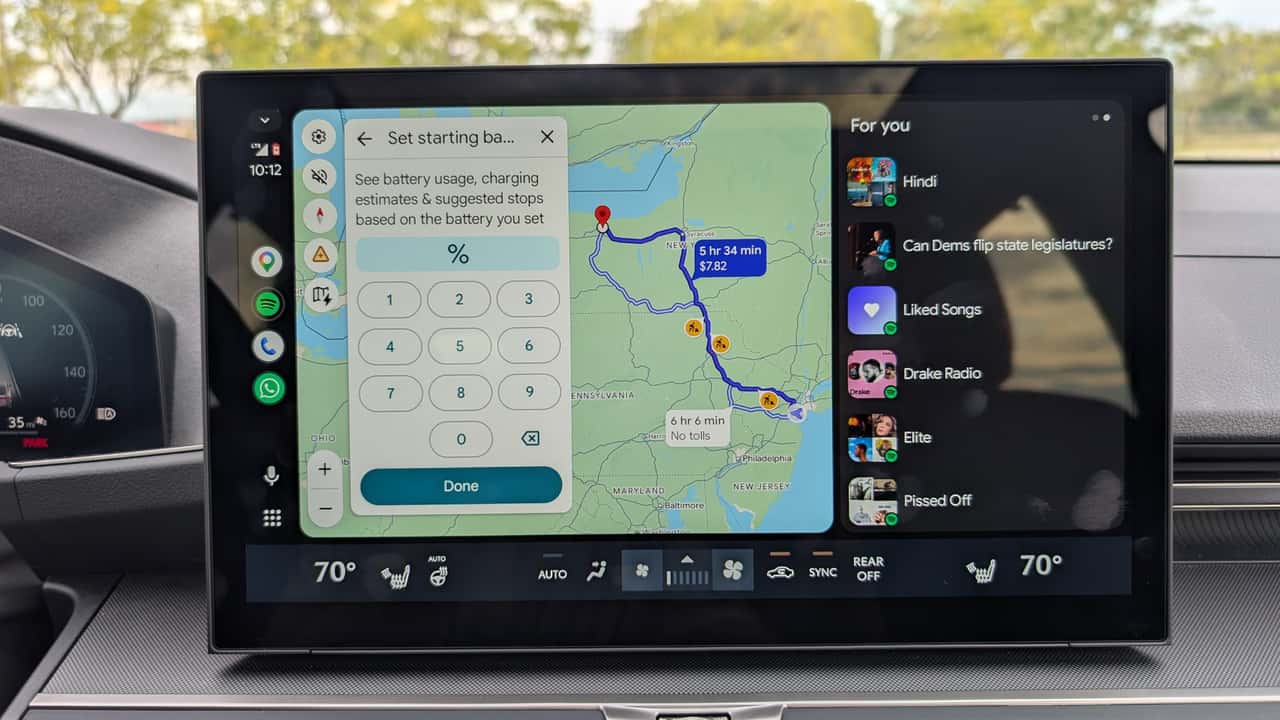 Photo by: Suvrat Kothari
Registering your vehicle helps Google Maps account for its specifications and identify compatible charging stations along your route. You can also choose whether to include Level 2 charging stations or DC fast chargers, depending on how time you have to kill.
When you enter a destination on the vehicle’s screen, entering your battery percentage prompts Android Auto to suggest charging stops along your way. Unless you're regularly switching between different EVs (like us car journalists do), you only need to configure your vehicle once. After that, entering your vehicle's starting battery percentage is all it takes to get going.
Android Auto Vs. Native EV Route Planning: Which Is Better?
There's a catch, though. Don't expect Google Maps on Android Auto to predict your EV's remaining range or charging needs with pinpoint accuracy. Because it doesn't have direct access to the car's battery management system, it can't account for every variable affecting energy consumption, or adjust on-the-fly to real-world power consumption.
If you have something on your roof or a trailer in tow, Maps won't factor that in, so you'll have to adjust to real-world surprises yourself. It also doesn't offer the same ability to set a minimum battery percentage for arrival that some integrated systems provide.
I compared Google's estimates against the Lexus ES 350e's native EV route-planning system, and the results were noticeably different.
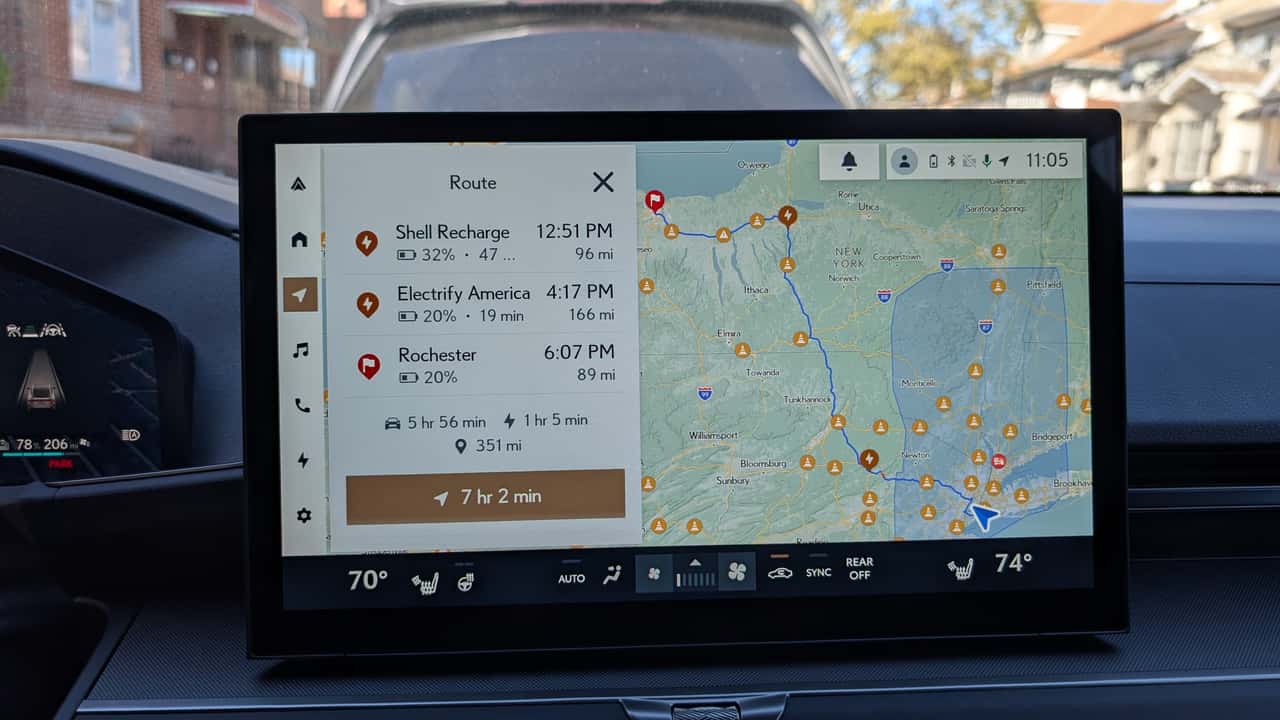
The Lexus ES 350e is the first EV from Toyota to feature built-in route planning.
Photo by: Suvrat Kothari 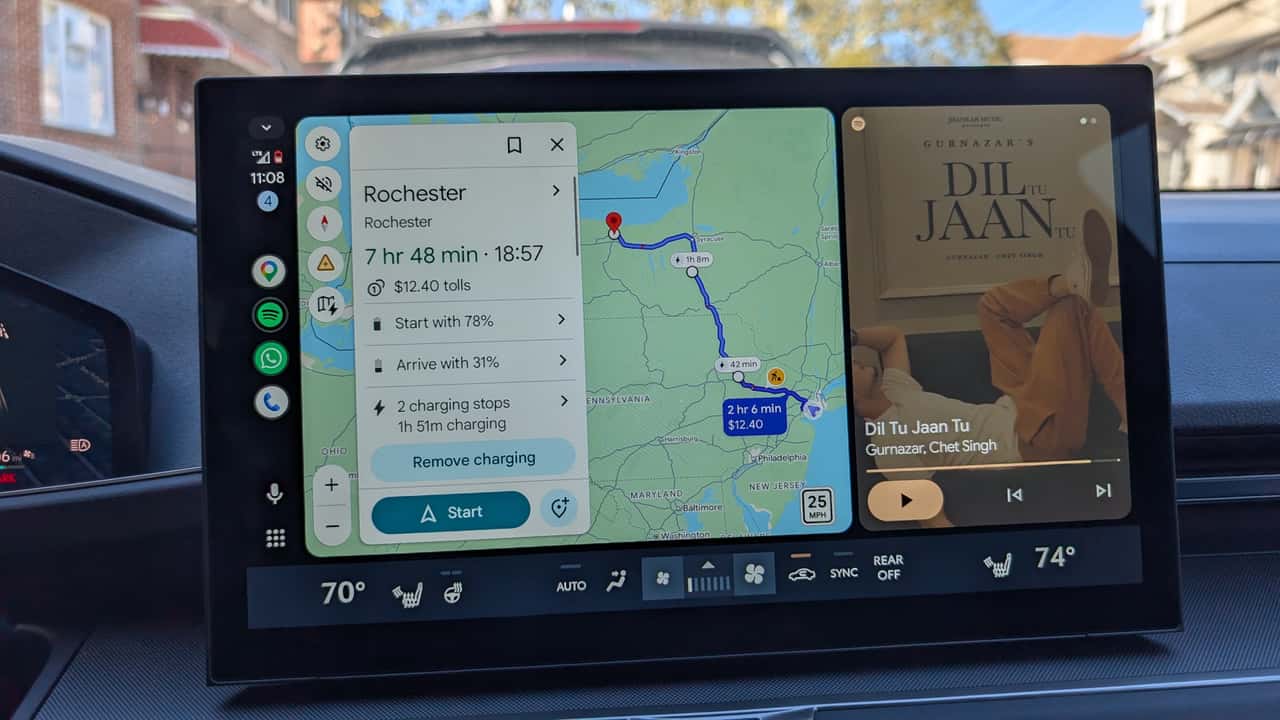
Google Maps on Android Auto is now rolling out EV route planning.
Photo by: Suvrat Kothari Photos by: Suvrat Kothari
For a roughly 350-mile drive from South Brooklyn to Rochester, New York, Android Auto estimated a total journey time of 7 hours and 48 minutes, including charging stops. The Lexus' built-in navigation system shaved 46 minutes from that, recommending what appeared to be quicker and more efficient charging stops along the way.
Google Maps also showed 307 miles of EPA range for the ES 350e on the app. While that’s true for the Premium trim, the press tester was a Luxury trim with 21-inch wheels, with a range of 292 miles. So I'm not sure if every trim and spec is accurately represented in Google's calculations.
Still, Google Maps has some advantages of its own. Its energy-consumption predictions draw on vehicle specifications and factors such as traffic, elevation, and weather to estimate how much range you'll need. Its familiar, easy-to-read interface is also a plus, particularly if you're already accustomed to using Google Maps for everyday navigation. I’d use the Google system over a native navigation any day, unless that too is based on Android Automotive OS, like on General Motors and Volvo cars.
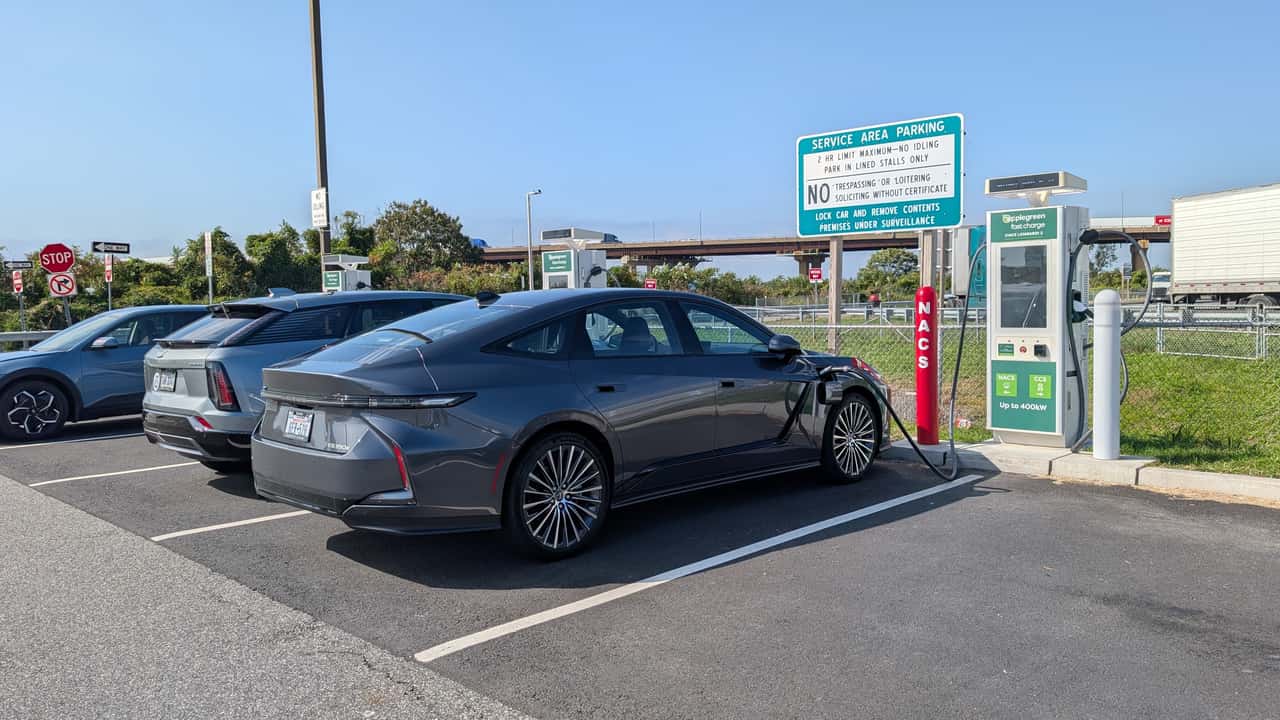 Photo by: Suvrat Kothari
Unless you’re hypermiling and running your EV to 0% between charging stops, or hauling extra stuff, Android Auto’s ballpark estimate should be good enough. And it is also worth noting that both systems try to constantly optimize for the best charging stop while you’re driving. Native ones can use real-time data, but even without it, Maps will still alert you if it calculates that you're low on battery. It just won't be quite as accurate as native systems.
So Android Auto's route planning may not be perfect, but it's still helping to tear down the barriers to electric road trips. With better software tools, longer-range vehicles, and more charging stations coming online all the time, it's never been easier to do an EV road trip.
Contact the author: suvrat.kothari@insideevs.com
Slate Opened Its First Showroom Where You Can Test Drive Its $24,950 Electric Pickup Truck
Canadians Are Holding Out For Chinese EVs
The Electric Porsche Cayenne Just Torched The V8-Powered Audi RS Q8
A BMW i3 EV Went 753 Miles On A Single Charge. Its Energy Consumption Was Astonishing
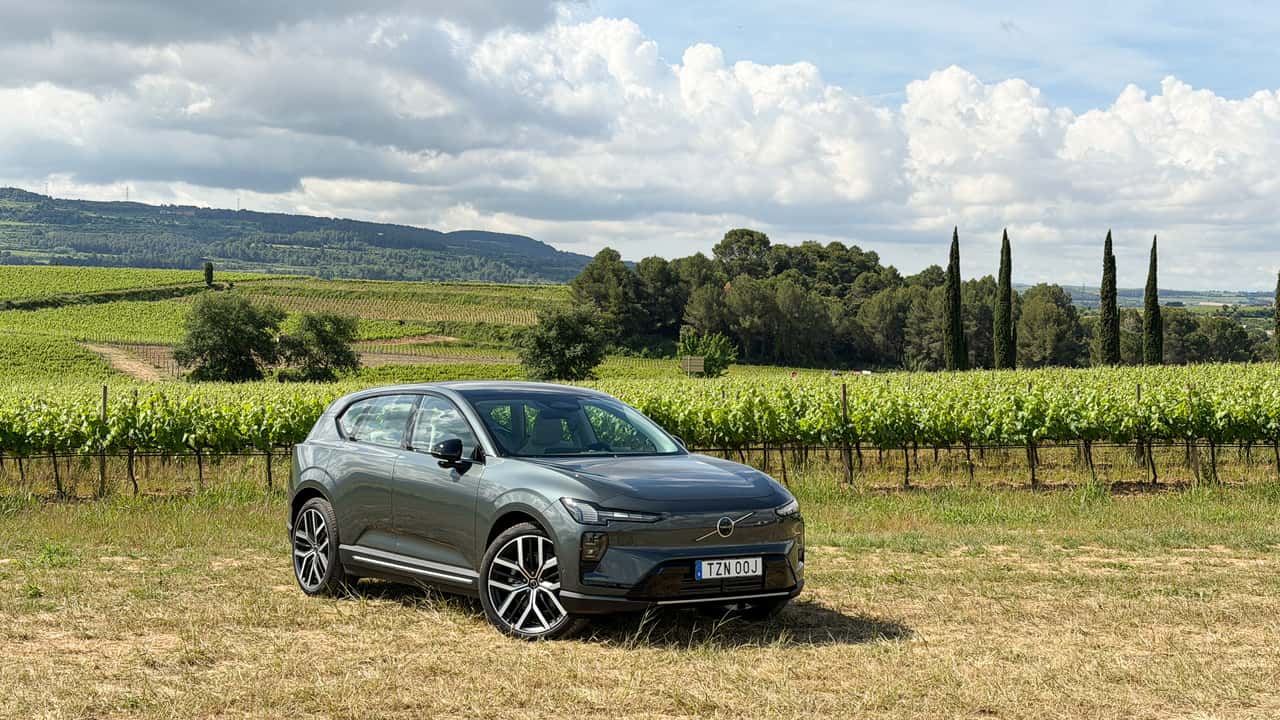
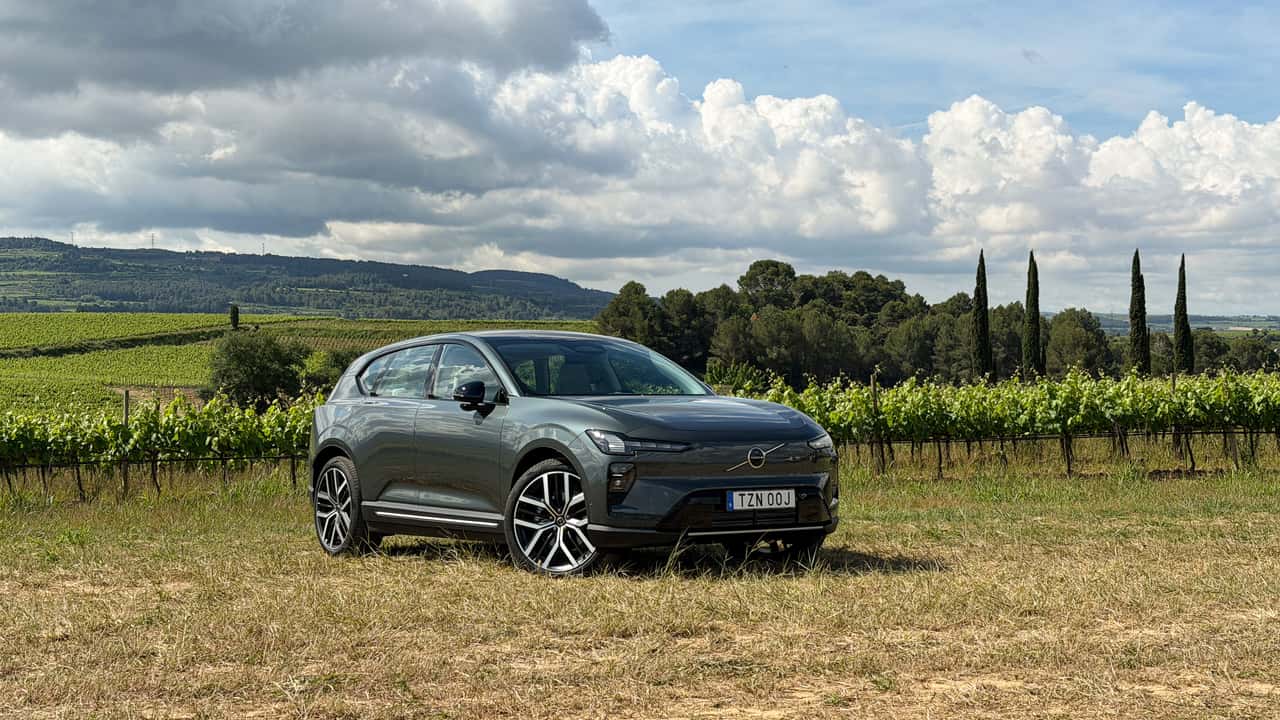
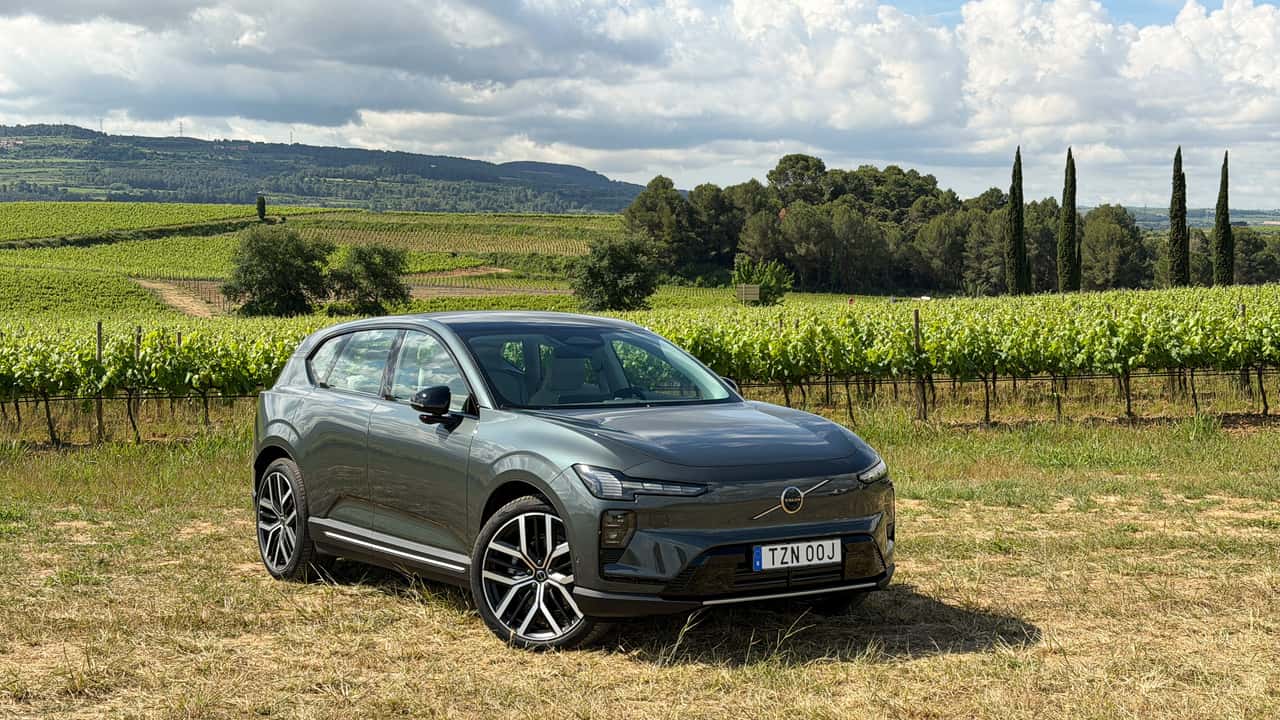
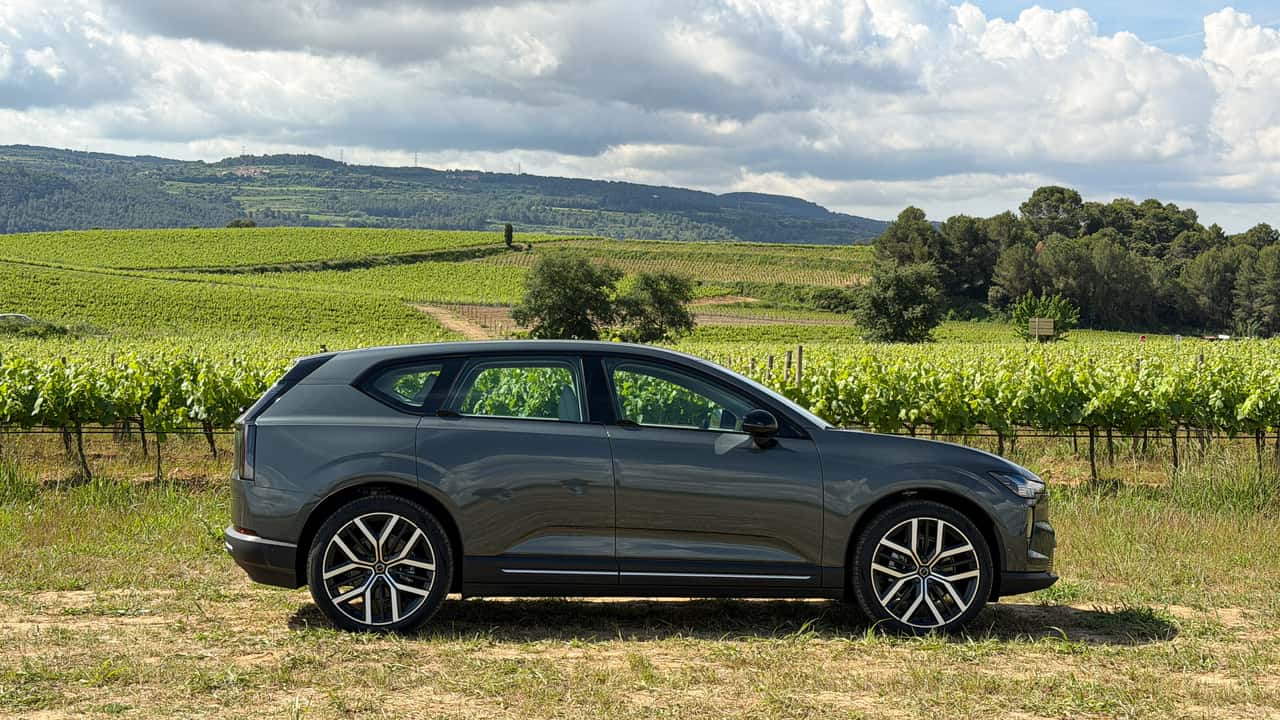
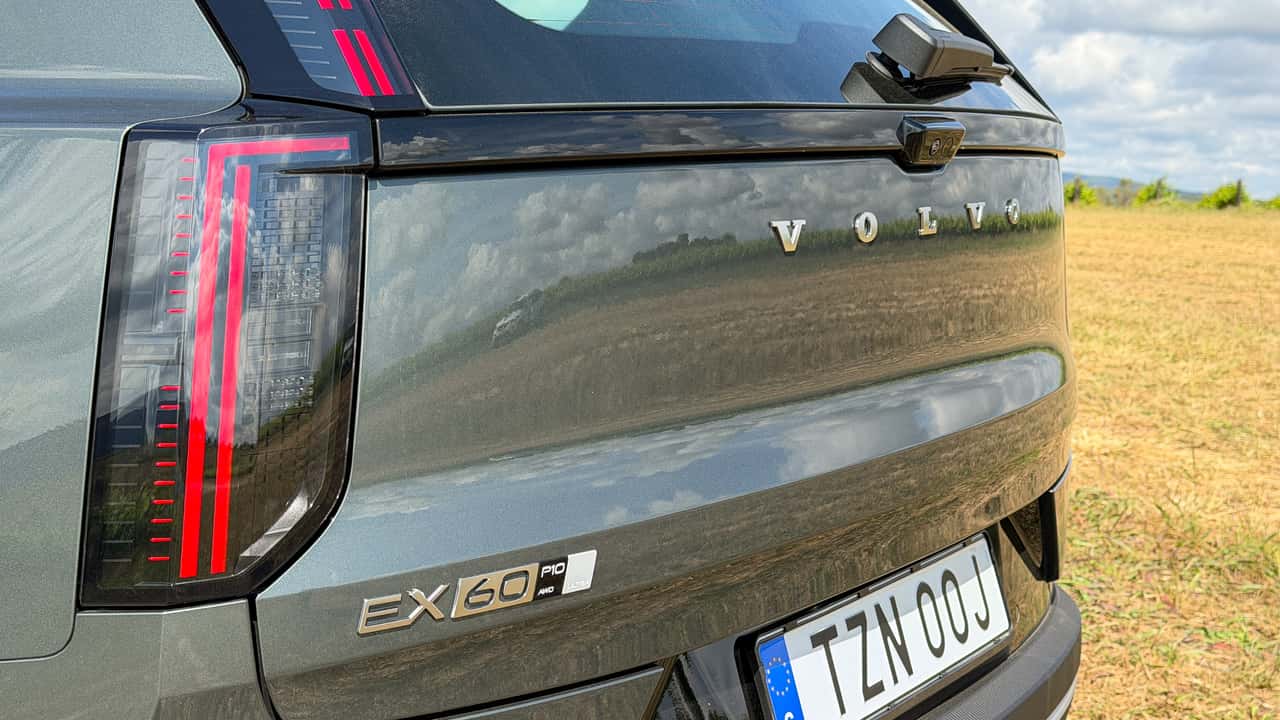
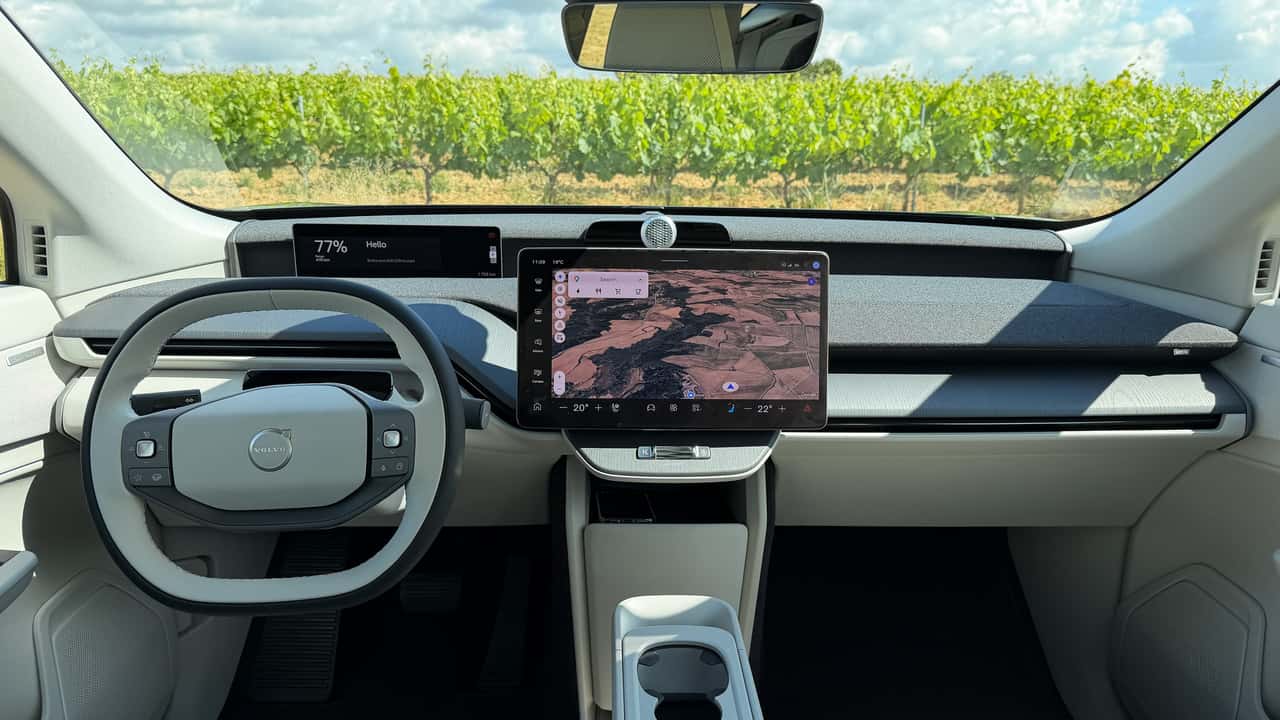
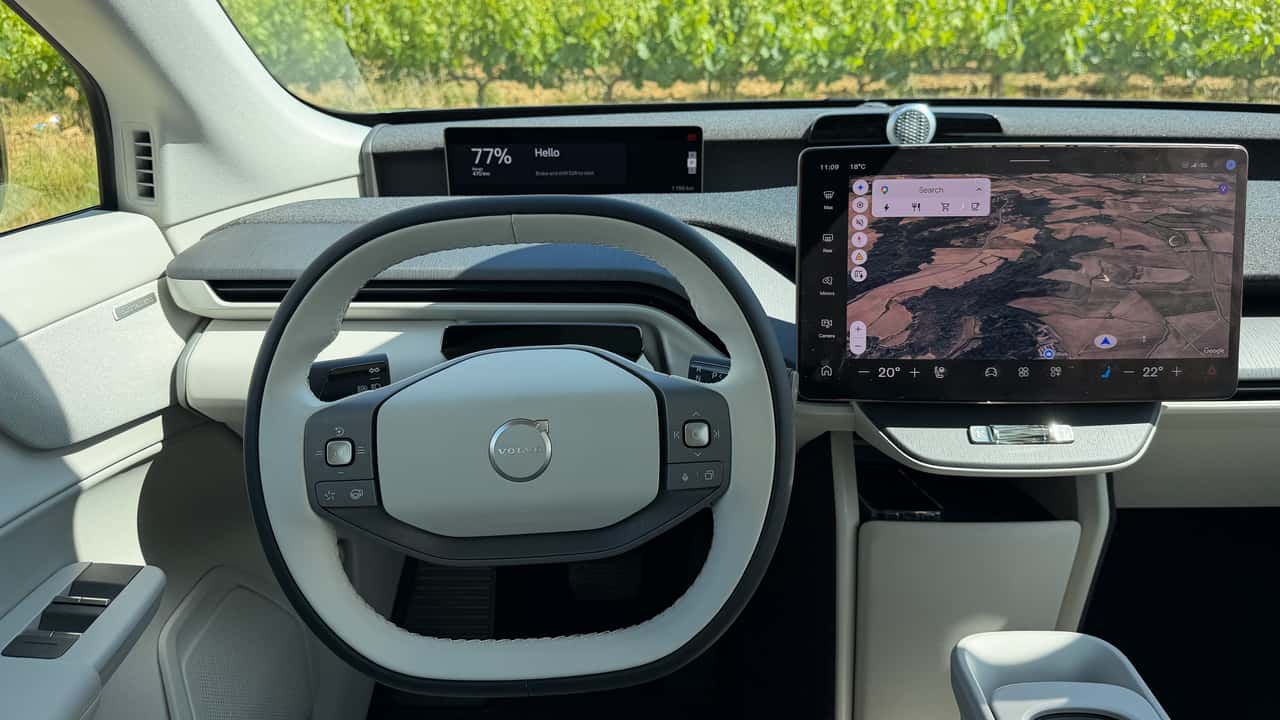
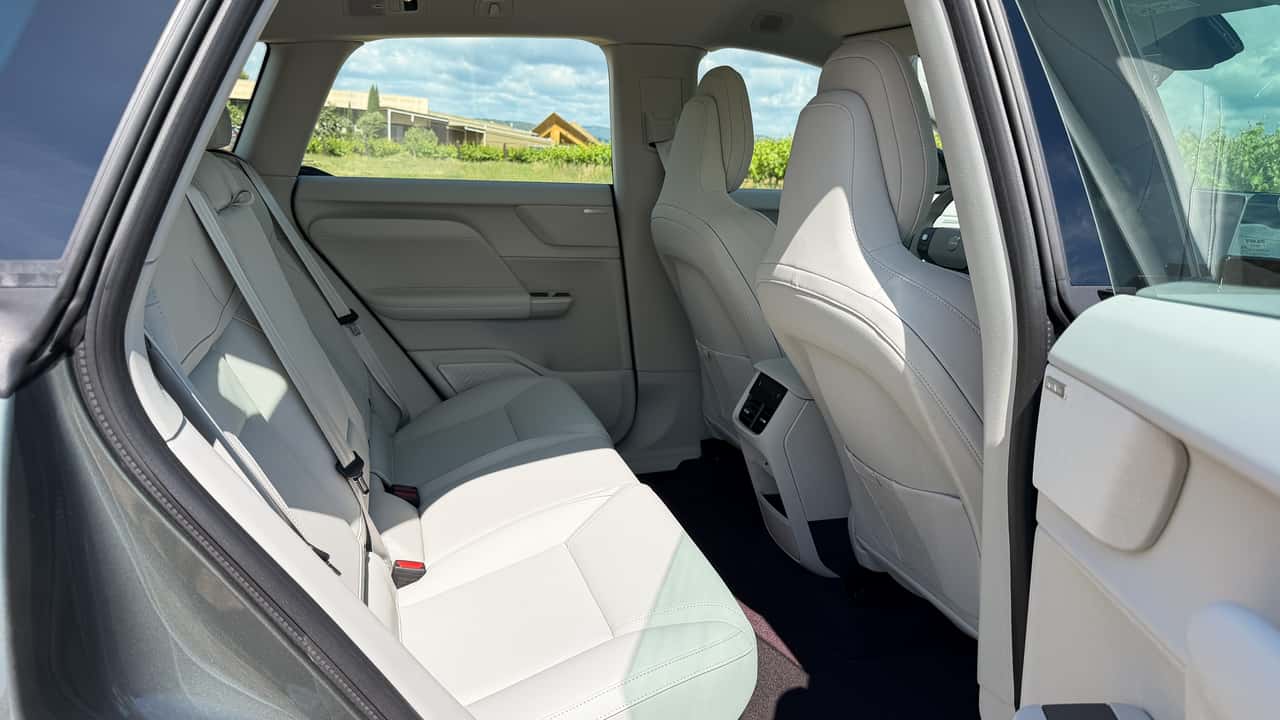
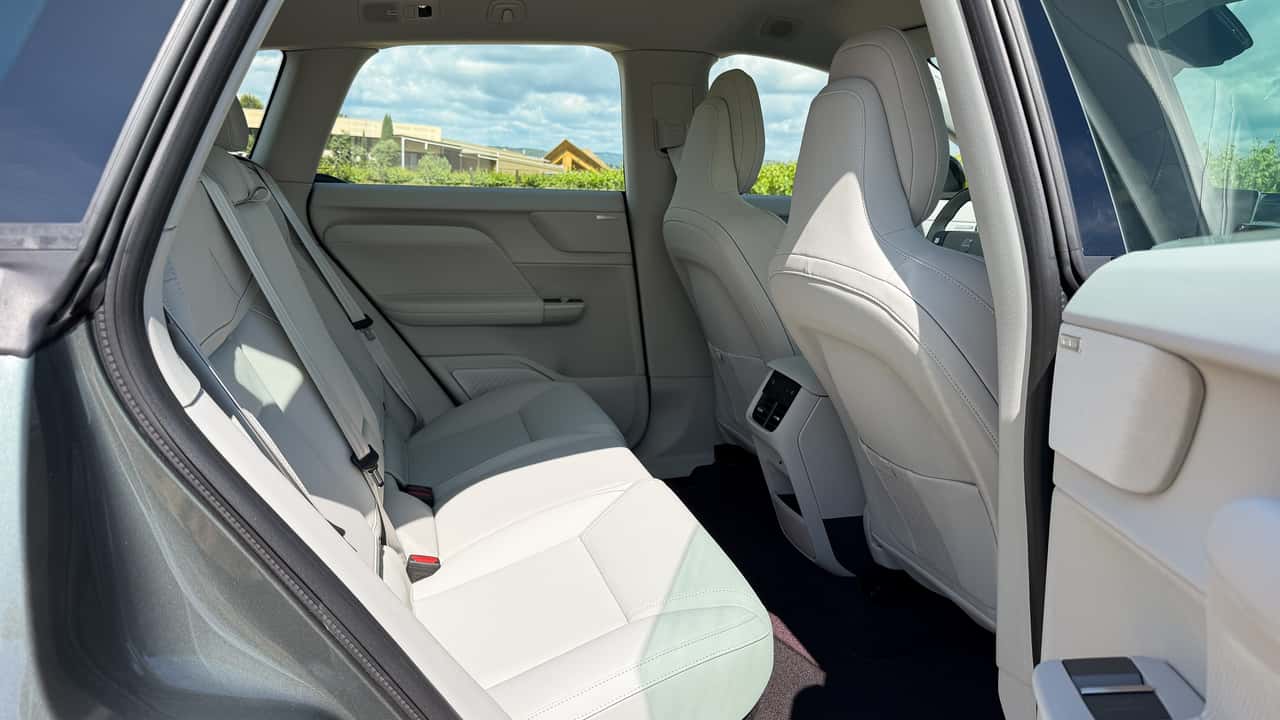
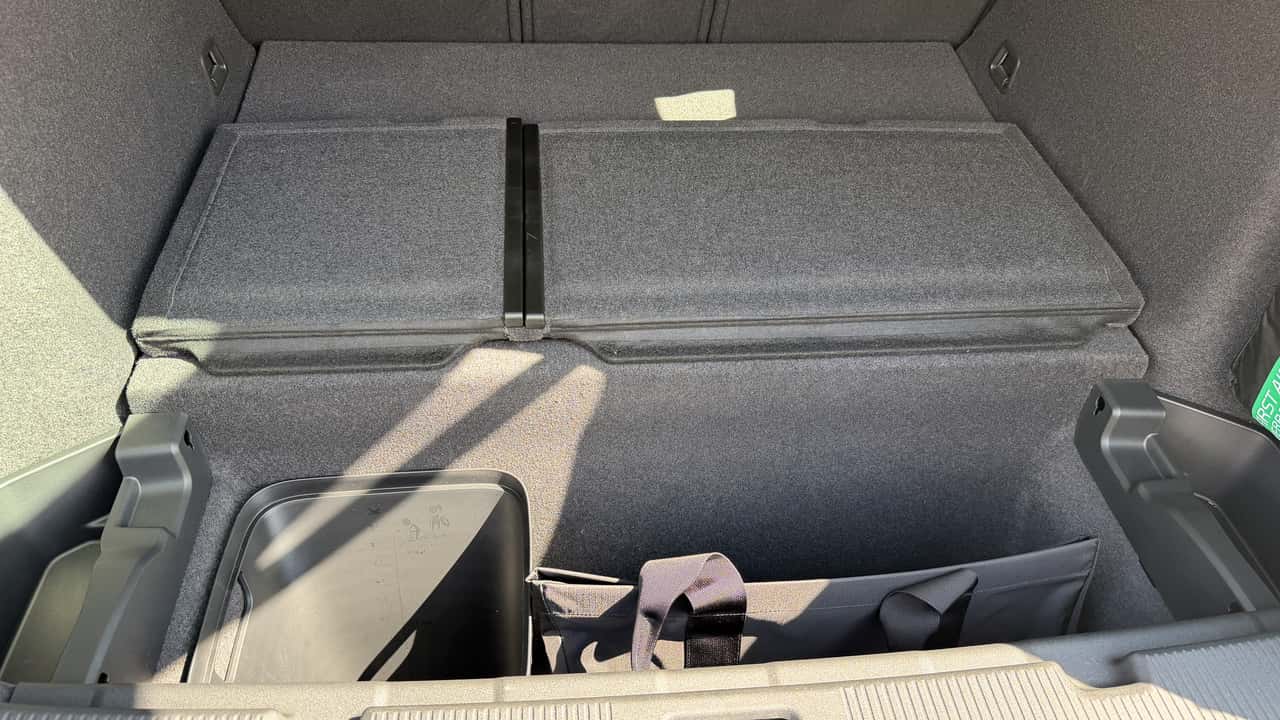
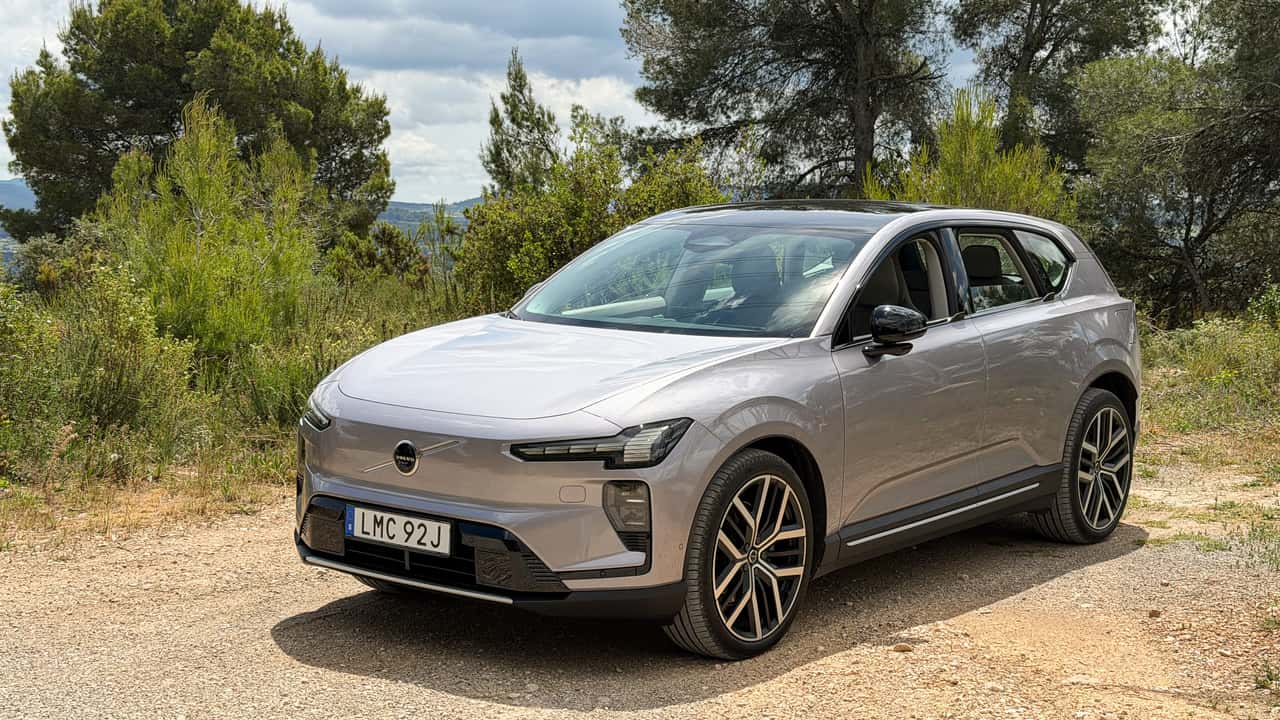
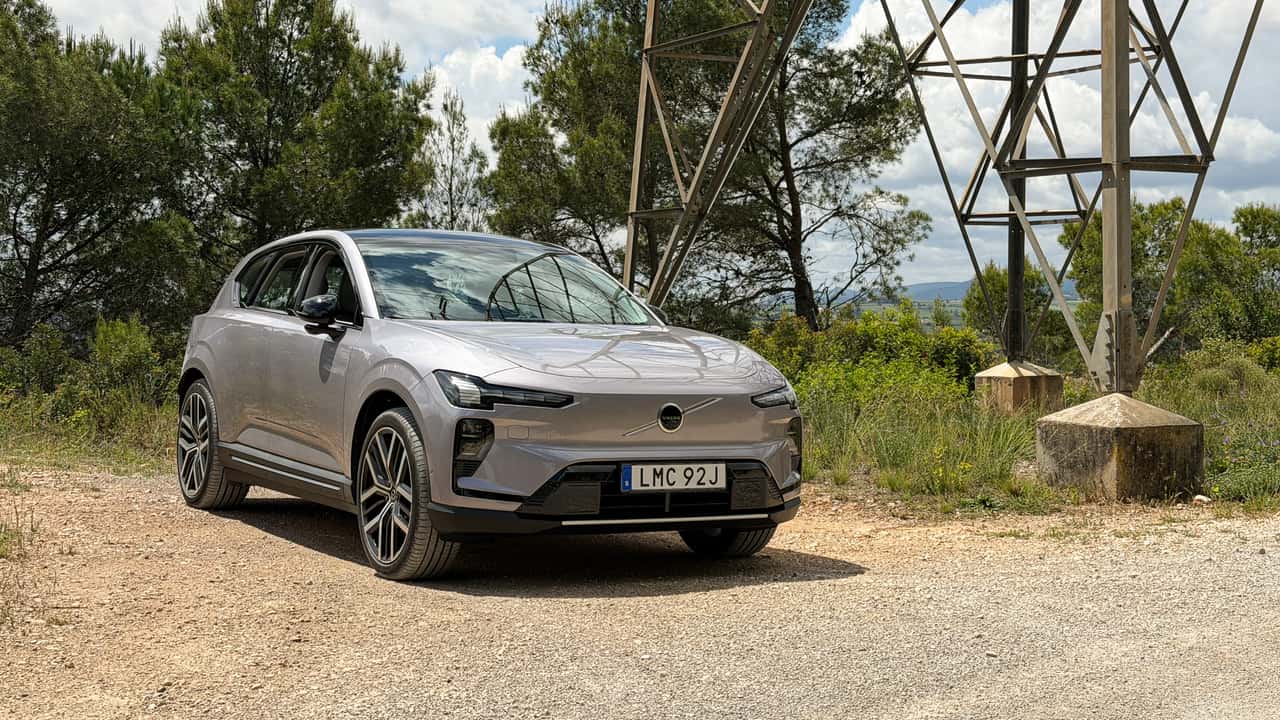
]]> contact@insideevs.com (Suvrat Kothari) https://insideevs.com/news/812134/android-auto-google-maps-ev-route-planning-lexus/ https://insideevs.com/news/812433/2027-volvo-ex60-blows-past-epa-range-test/ Mon, 19 Oct 2026 15:32:53 +0000 2027 Volvo EX60 Blows Past EPA Rating In Real-World Range Test You shouldn’t worry about munching miles in Volvo’s newest electric SUV. The 2027 Volvo EX60 surpassed its official EPA range by 40 miles. Amid falling sales and growing competition from Chinese automakers, the EX60 is helping Volvo fight back. It can drive far on a single charge and recharge from 10-80% in only 16 minutes.
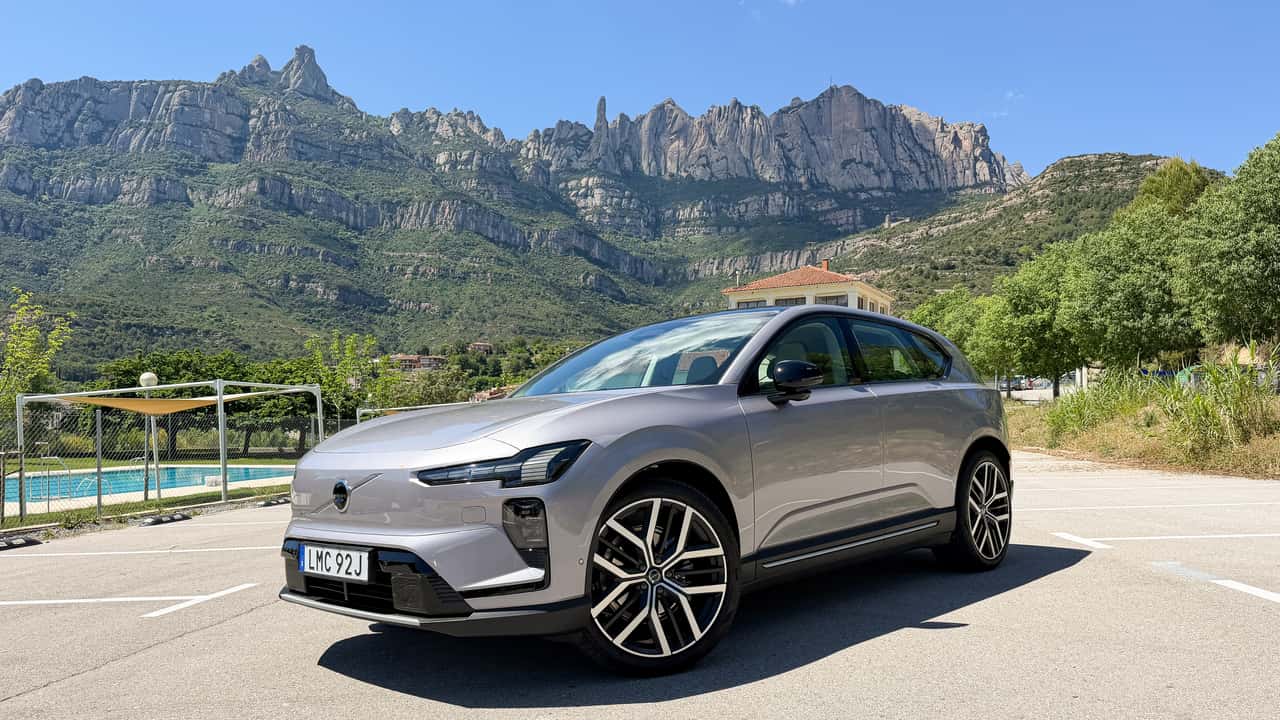
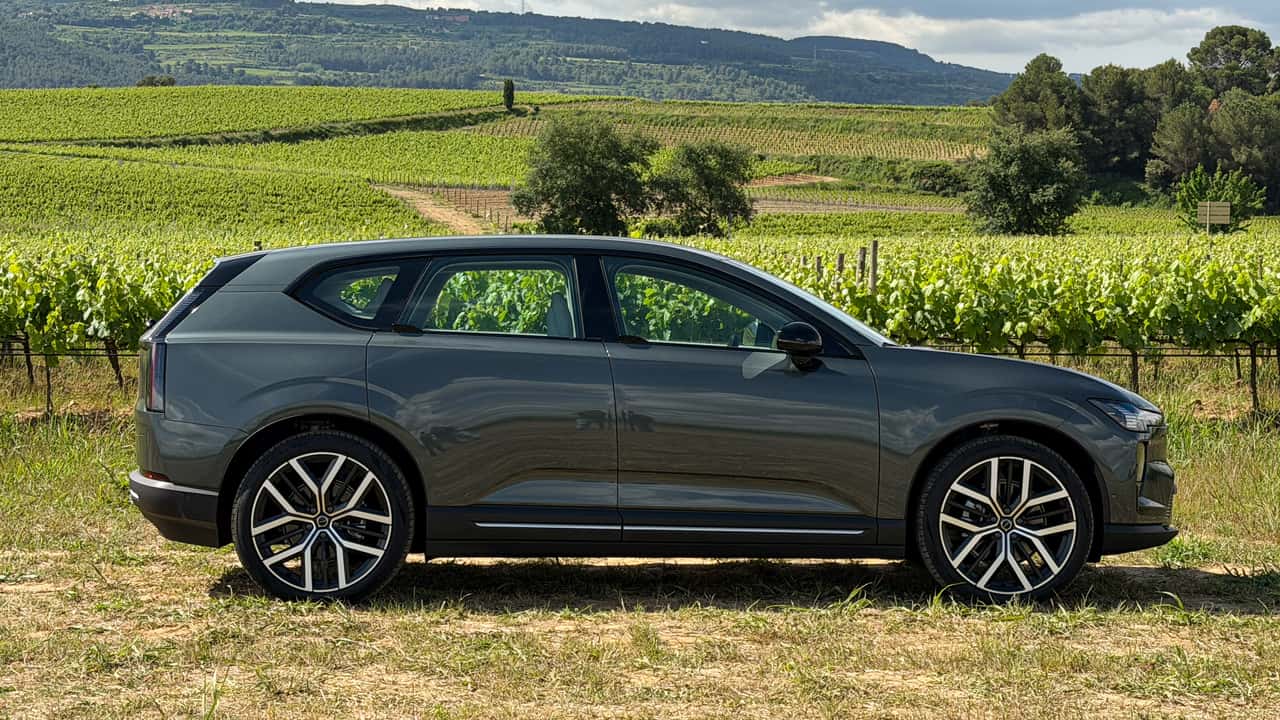
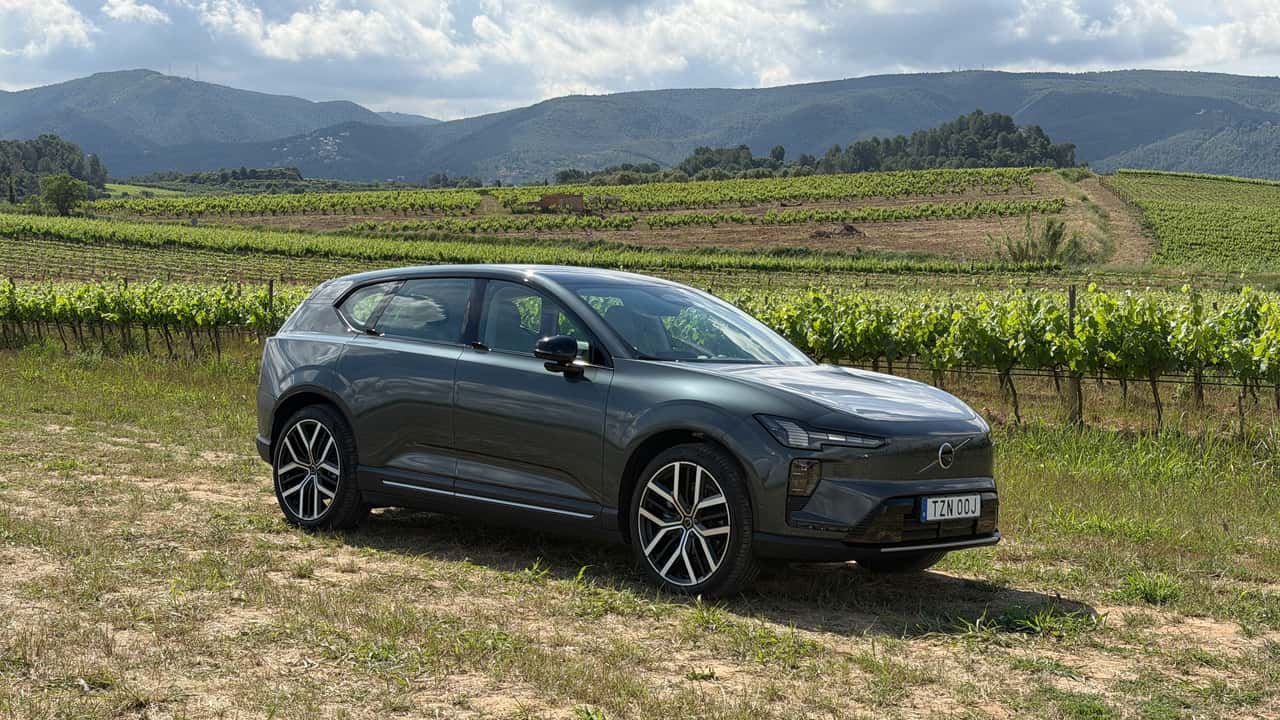
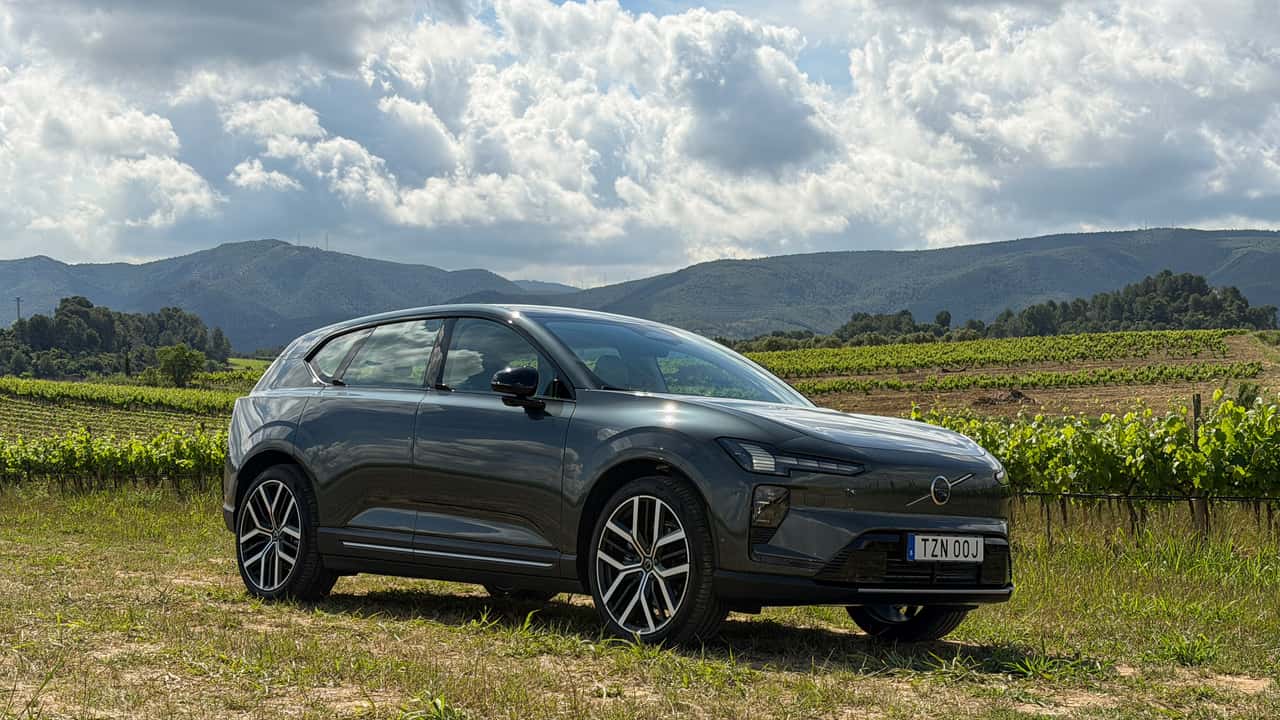
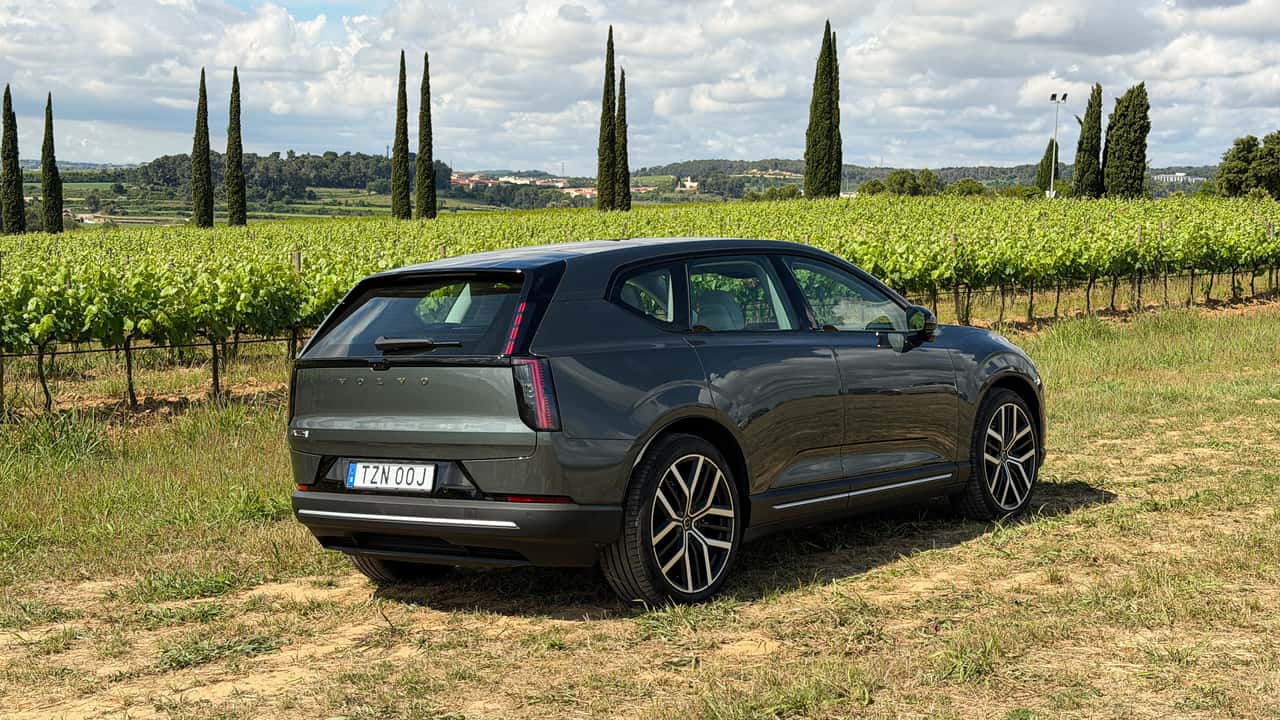
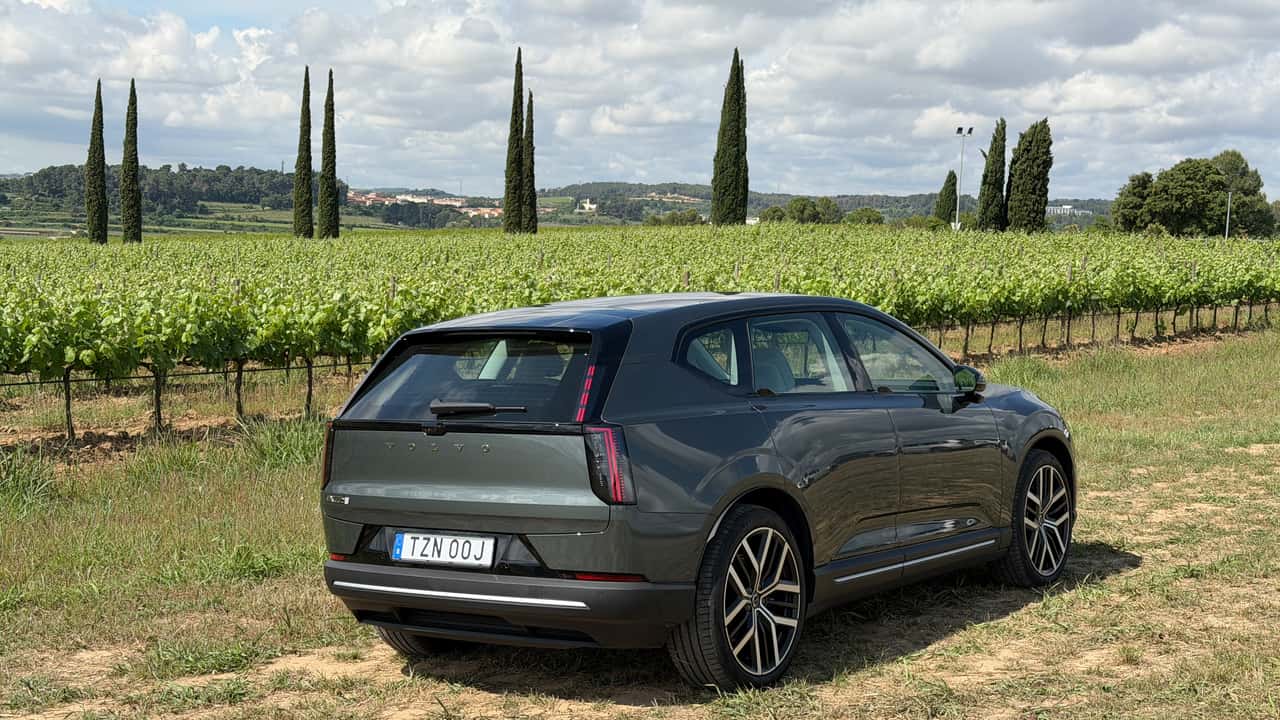
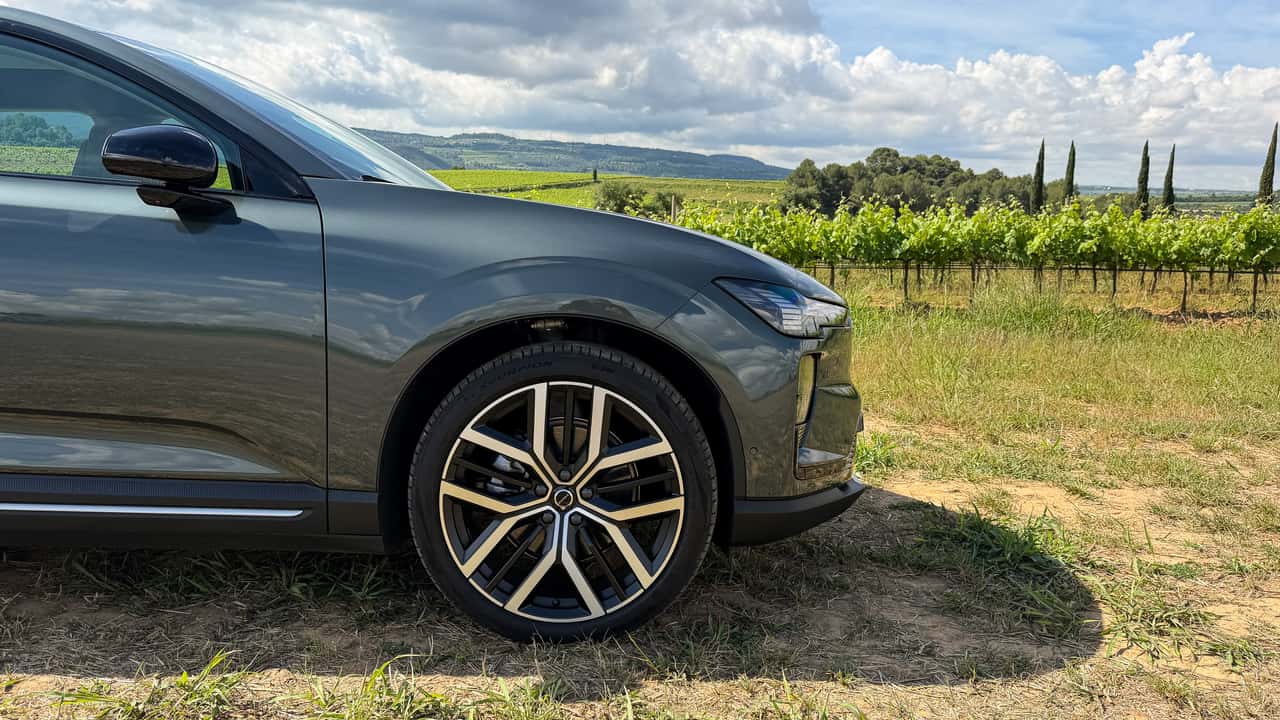
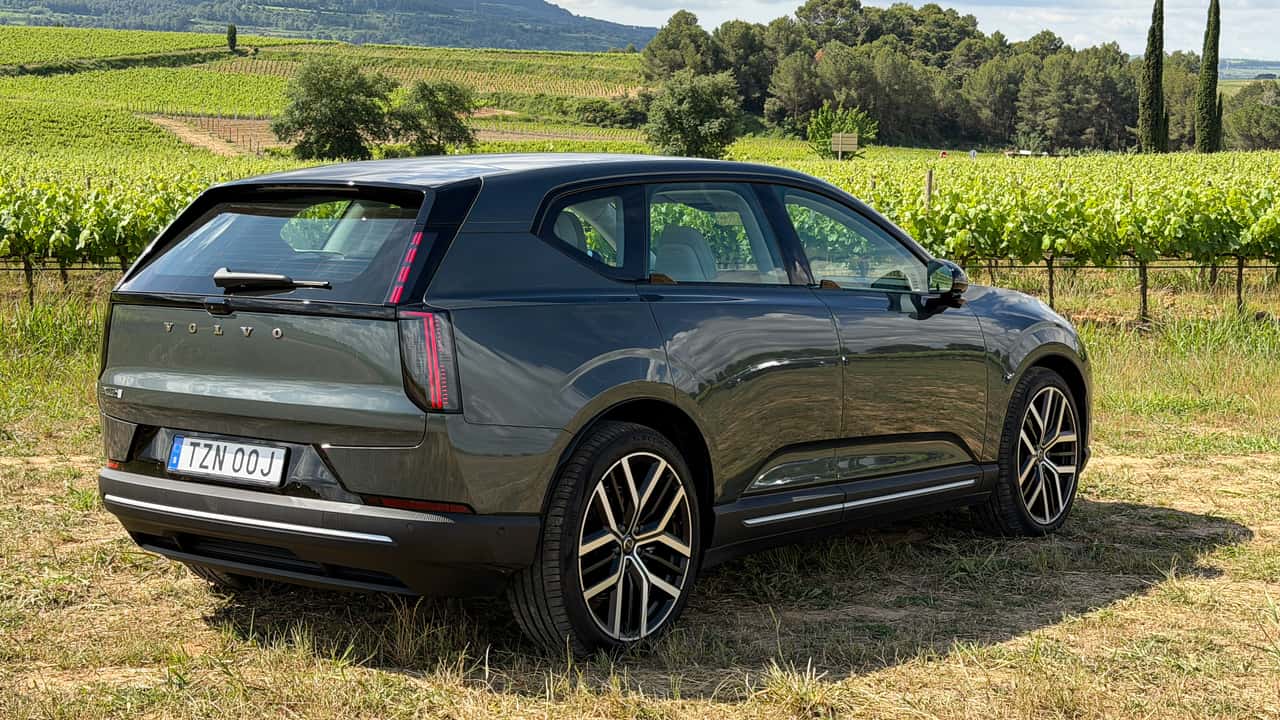
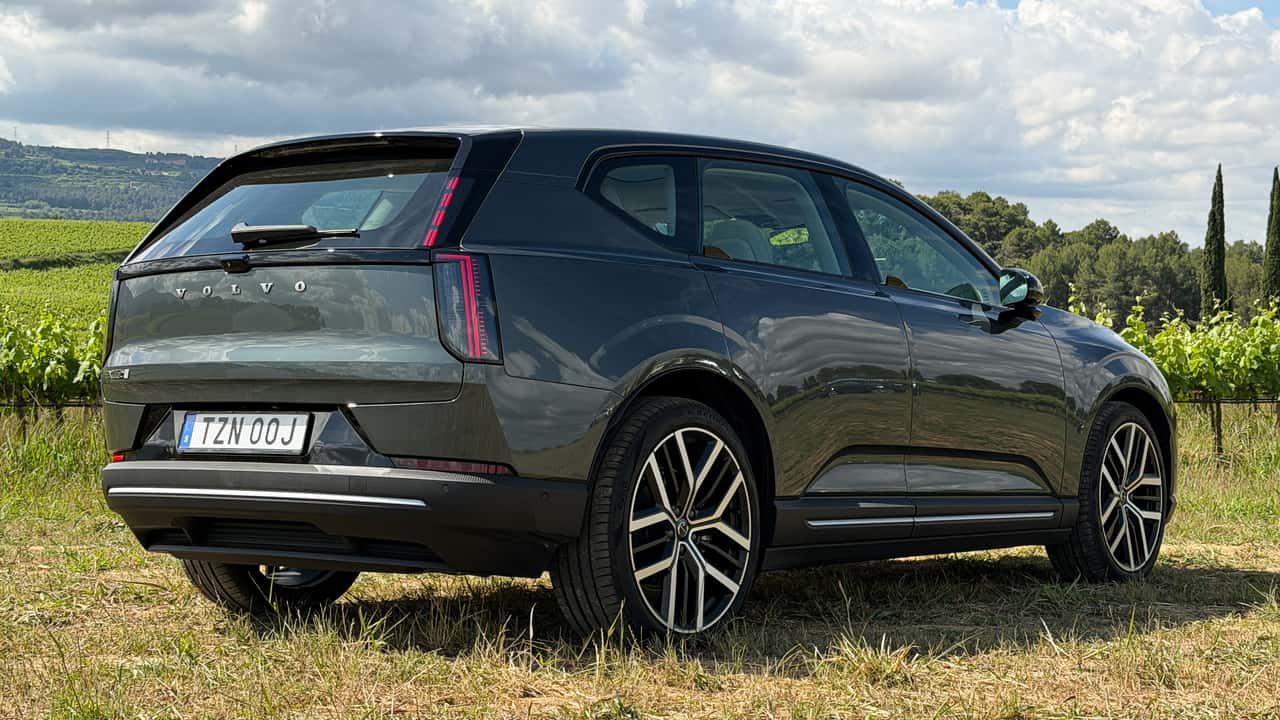
The Volvo EX60 is a range and charging monster on paper. In the real world, it might be even better. In a recent test by Edmunds, the electric SUV blew past its EPA range by a comfortable margin.
The outlet tested the EX60 in its Twin Motor Ultra all-wheel-drive trim, which is rated for 312 miles of EPA range. The SUV covered 352 miles on a single charge, beating its official estimate by 13%, or 40 miles.
Importantly, Edmunds conducts its range tests using a combination of 60% city driving and 40% highway driving, which it says reflects typical usage better than the EPA's assumptions of 55% city and 45% highway. In theory, EVs should outperform their EPA ratings in this test. The average speed was 40 miles per hour.
Volvo is trying to regain its footing amid falling sales and intensifying competition from Chinese automakers. The EX60 is a key part of that effort, and strong real-world range could help it stand out in an increasingly crowded electric SUV market. However, rivals like the BMW iX3 and Mercedes-Benz GLC EV can go much farther on a single charge.
Range anxiety remains a concern for some EV buyers, who worry that their car will run out of juice and leave them stranded. A new wave of premium EVs is helping put those fears to rest with impressive range and ultra-fast charging speeds, even if most owners rarely need all that capability in their everyday driving.
The EX60 is available in the U.S. in two trims, the P6 and P10. The former gets an 83 kilowatt-hour battery pack and an EPA range between 295-307 miles, while the latter uses a larger 95 kWh pack good for 312-330 miles. They both get ultra-fast charging speeds, recharging from 10-80% in just 16 minutes. The P6 peaks at 320 kilowatts, while the P10 can pull up to 370 kW. Volvo also plans to release a top-trim P12 variant with an estimated 400 miles of range.
Edmunds also recorded better efficiency than the EPA estimates suggest, with the EX60 delivering 3.5 miles per kWh against its EPA rating of 3.3 miles per kWh. Still, I wouldn't get too caught up in the small differences. Real-world range and efficiency depend on several factors, including driving style, road conditions, and climate.
Southern California's mild weather isn't the toughest environment for testing an EV. Drivers in colder cities such as Chicago and Detroit could see significantly different results, particularly during winter.
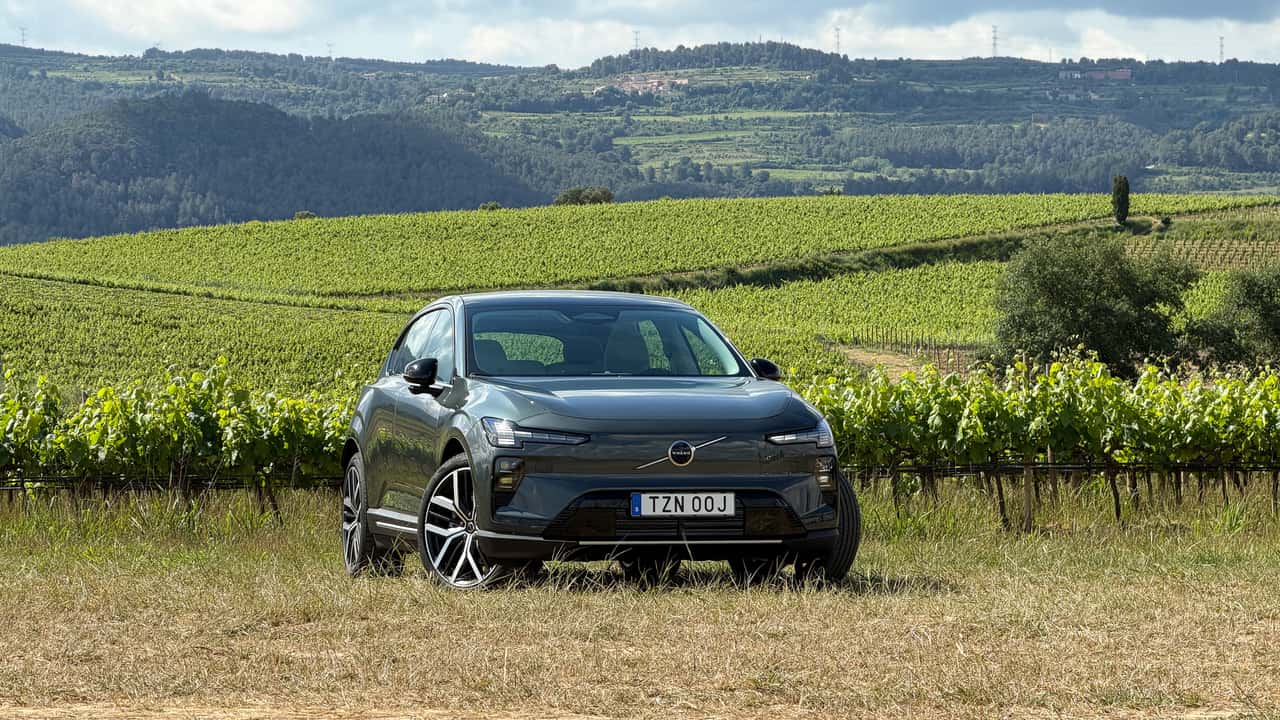
We've also tested the EX60 here at InsideEVs, and we think it's the best Volvo ever. It's among the best midsize electric SUVs on sale, with a driving experience and software interface that feel generations ahead of a comparable gas-powered SUV. Its software is also a substantial improvement over the glitchy EX90.
It’s encouraging to see that the EX60 isn’t just impressive on paper and in curated press drives, but also out in the real world.
Volvo Taps Nvidia To Bring ‘Eyes-Off And Mind-Off’ Driving To Its Cars
The Volvo EX60 Was Supposed To Sell Thousands In The U.S. This Year. It’s Not Happening
Volvo Sales Tumble, Forcing The Company To Abandon Its Full-Year Guidance
Volvo’s CEO Is Out. Again.
]]> contact@insideevs.com (Suvrat Kothari) https://insideevs.com/news/812433/2027-volvo-ex60-blows-past-epa-range-test/ https://insideevs.com/news/812290/tesla-roadster-ev-battery-details/ Mon, 19 Oct 2026 14:42:41 +0000 The Roadster Will Have Tesla’s Most Advanced Battery Pack Yet It’s also the fastest-charging Tesla ever.
While the SpaceX-developed cold gas thrusters and powerful suction system grabbed most headlines around the Tesla Roadster's epic reveal, the supercar also needs solid EV fundamentals to deliver the kind of on-road performance the automaker is after. Tesla has taken care of that with its most advanced high-voltage battery pack yet.
While its ground-effect fans and make it drive upside down and jump over obstacles, it still needs solid fundamentals and as an EV for strong everyday performance. “It’s everything we learned at Tesla for 20+ years making electric vehicles put into one,” Lars Moravy, Tesla’s vice president of engineering told Hagerty’s Henry Catchpole, referring to the Roadster’s battery.
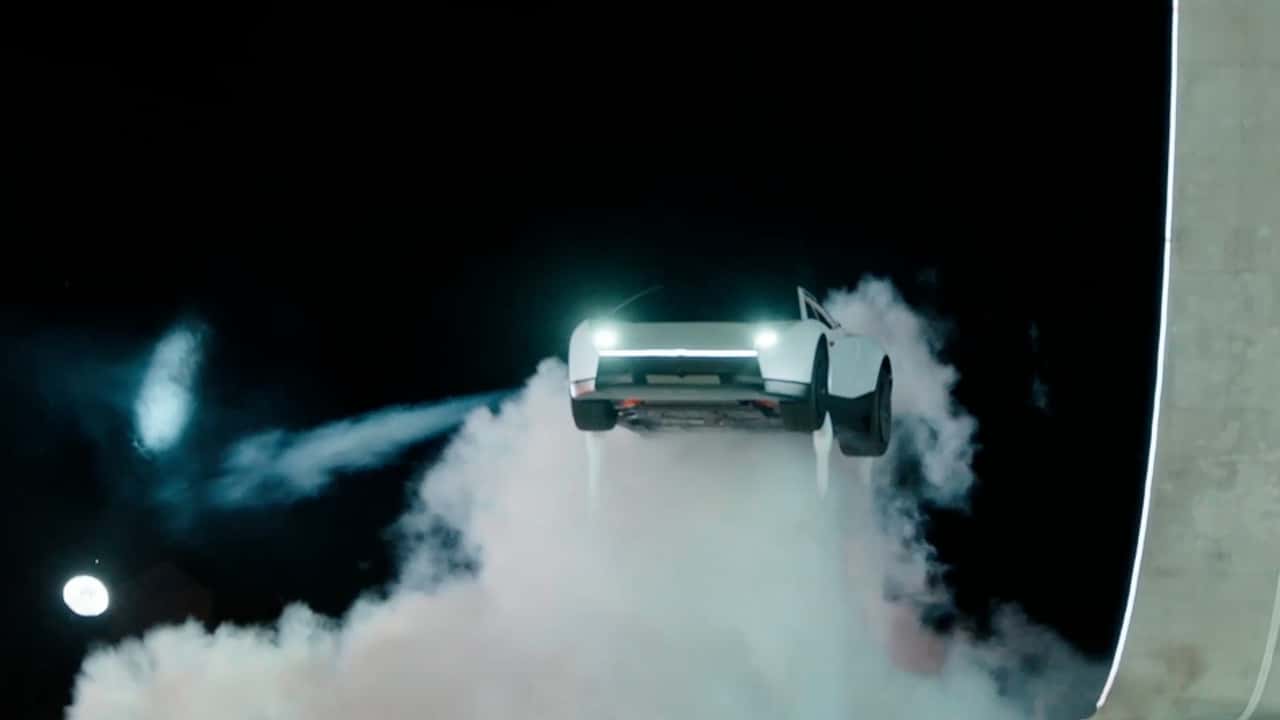 Photo by: Tesla
While we don’t know the pack’s size yet, Tesla said it will deliver more than 300 miles of range, plus serious charging and discharging performance. While batteries in its mass market models like the Model Y and Model 3 are geared toward longevity, Moravy said, the Roadster’s cells really prioritize power density and performance.
The automaker is using its own in-house developed 4680 cylindrical cells on the Roadster. Moravy called it a “bespoke chemistry for high power throughput” in a Top Gear video, but said the materials were still lithium-ion and nickel-based.
The more interesting bit, however, might be the battery’s thermal management system. The dual rear motors together generate a peak output of 1,341 horsepower and 1,032 pound feet of torque on the top trim. That means the battery cells can heat up very quickly if the cooling system isn’t good enough. To manage this heat, Moravy said the company used double-sided coolant tubes for each cell.
 Photo by: Hagerty
The cells themselves are made with aluminum cans, which he said are lighter than steel cans and are better at dissipating heat. There’s also a titanium upper plate over the entire pack, a lighter and thinner alternative to steel with better thermal insulation. The lower plate at the vehicle’s underbody continues to be aluminum for dent and impact resistance. As a result, the cells can not only discharge really fast, but also recharge within minutes.
Moravy said the Roadster will charge from 15-85% in just about 10 minutes, which is right up there with some of the fastest-charging EVs from Western automakers currently. The new battery-powered Mercedes-AMG GT can go from 11-80% in just 11 minutes, thanks to its peak charging rate of 600 kilowatts. More typical charging times for the latest high-end EVs are in the realm of 16-20 minutes for a 10-80% charge.
The Roadster’s exact peak charging speed isn’t clear. Moravy said it handle somewhere between 500 kW and a megawatt, which is confusing because that’s a really broad range. The exact voltage architecture is similarly unclear, with Tesla putting it at somewhere between 800 and 1,000 volts.
The Roadster's EV credentials seem superb, but it'll come with a high price tag to match. Let's hope some of this technology trickles down to its mass-market models.
Tesla 'Cannot Guarantee' Your Roadster Pre-Order Will Ever Be Delivered
The Tesla Roadster Has 1,341 HP And Half The Range Elon Musk Once Promised. Here Are The Full Specs
The Tesla Roadster's Thrusters Last Seconds. Refilling Takes Hours
Is The New Tesla Roadster Actually A Roadster? Not Really
]]> contact@insideevs.com (Suvrat Kothari) https://insideevs.com/news/812290/tesla-roadster-ev-battery-details/ https://insideevs.com/news/812431/rivian-point-to-point-hands-free-early-access/ Mon, 19 Oct 2026 13:42:50 +0000 Rivian Is Giving Some Owners Early Access To Its Latest Hands-Free Driving Tech Point-to-point hands-free driving is coming to a select number of owners who are willing to put in the work. Rivian is launching the Autonomy Early Access Program. Through it, select owners will get to test the startup’s upcoming driver-assistance features. The first important feature is point-to-point hands-free driving, which will debut on a small scale in late 2026, followed by a wider rollout next year.
Rivian’s self-driving ambitions are inching closer to reality, and the startup is asking owners to help test the latest features before rolling them out to a wider audience.
The California EV maker has launched the Autonomy Early Access Program, an invitation-only project that will put select drivers at the top of the list when it comes to next-generation assistance systems, starting with point-to-point hands-free driving in late 2026.
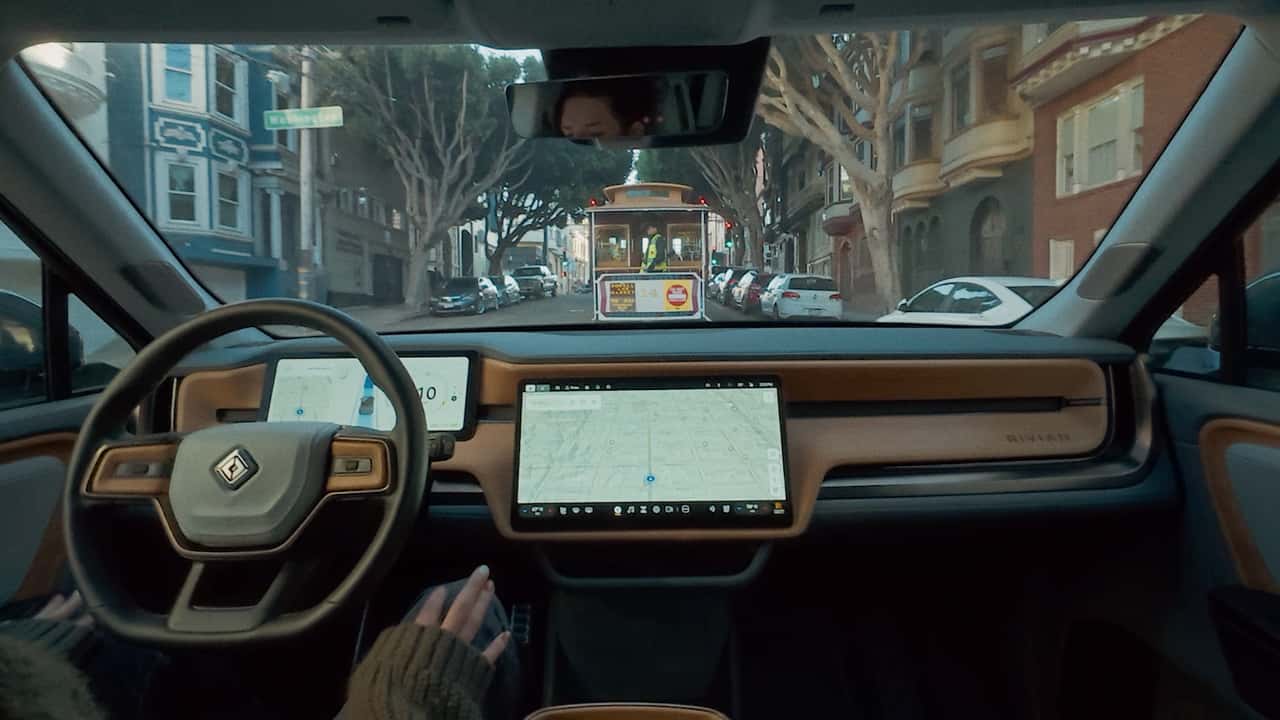
Rivian's latest EVs offer Universal Hands-Free driving capabilities, but the cars can't automatically navigate from point A to point B.
Photo by: Rivian
To gain access, there’s a solid list of requirements, and Rivian is not paying anyone to participate. In fact, one of the criteria to get invited is to have an active Autonomy+ subscription, which costs $49.99 per month or $2,500 for lifetime access.
All new R1S and R1T deliveries include a 60-day trial, but trials are not eligible for the new early access program. The same goes for the first-generation R1T and R1S, also known as Gen 1, simply because they don’t come with the necessary hardware for Rivian’s latest vision-based system. The latest hardware suite includes 10 high-definition cameras and five radars, which enables the vehicles to perceive objects and vehicles up to 1,000 feet away.
To get started, all owners with an active Autonomy+ subscription can apply to join the Autonomy Early Access Program in their Rivian account. The project is currently onboarding owners in California and Florida, with more areas to follow. However, once an owner is accepted, they can use the pre-release features on any supported road in the United States, not just in their state.
Rivian will review all applications and send invitations to owners who make the cut starting on October 15, 2026. To be considered for the early access program, owners need to have high Autonomy feature usage and a clean recent safety record, including forward collision warnings, true collision events, and other safety-related metrics. The startup said that it will also balance the group by region, vehicle model, and other factors.
That’s not all, though. Rivian is asking participants to actively use the preview features every week and log issues when they occur. Data collection must be enabled, including location and Camera Data sharing, and owners who are accepted into the program are required to participate in mandatory monthly surveys. One-on-one interviews or focus groups are also a requirement.
In other words, it’s quite a lot of work for people who get accepted. On top of it all, Rivian will review all participants every 30 days, and memberships can be revoked at any time, which removes access to pre-release features.
The first big feature included in the early access program is point-to-point hands-free driving, which is scheduled for limited release in late 2026, followed by a wider rollout to second-gen R1 EVs and the new R2. According to Rivian’s website, two Autonomy+ features will be added this year: Auto Parking and On-Ramp to Off-Ramp, which will follow the set route while on the highway. The company is expected to offer more details on its automated driving plans during the Autonomy & AI Day event on December 9.
Even with the upcoming features, Rivian’s driver assistance systems still require driver supervision. They’re hands-off, but not eyes-off, just like Tesla’s so-called Full Self-Driving (Supervised).
You Won't Be Able To Buy A Rivian R2 With Lidar This Year After All
Here's How Much Rivian's Tesla FSD-Fighting Feature Will Cost And What You Get
A Rivian R2 Owner Shares The Good And Bad After 2 Months
Rivian’s Big R2 Bet Is Already Paying Off
]]> contact@insideevs.com (Iulian Dnistran) https://insideevs.com/news/812431/rivian-point-to-point-hands-free-early-access/ https://insideevs.com/news/812422/subaru-new-ev-platform-detailed/ Mon, 19 Oct 2026 13:04:51 +0000 Subaru Wants Its Own EVs. A 510-HP Mule Shows What’s Coming A new platform, lighter battery and in-house electronics could help Subaru build electric cars that step out of Toyota’s shadow. Subaru is developing its own EV platform to make future models less dependent on Toyota. Its 510-hp prototype tests lighter batteries and new motors, but it hasn't disclosed range or charging specs. Some technology could reach production around 2029, though Subaru hasn’t confirmed a model or launch date.
Subaru’s electric lineup has grown, but mostly thanks to Toyota. Now it wants more control over what comes next. It’s developing a new EV platform, battery technology, and electronics that could give it more engineering control over future electric cars.
According to Automotive News, Subaru presented the technologies at its proving ground north of Tokyo on October 18. Its all-wheel-drive prototype produces 510 horsepower and can accelerate from 0 to 62 mph (100 km/h) in under four seconds.
Some of the technology could enter production around 2029, though Subaru hasn’t confirmed a vehicle or a firm launch date. The prototype, which looks like a hacked-up Outback, is a development tool, not a confirmation that its next production EV will have that shape or those specs.
Subaru wants EVs that reflect its own priorities from the start, rather than adapting a Toyota platform. Engineering executive Takatomo Watamori told Automotive News that controlling the underlying technology would help preserve the safety and driving character that distinguish the brand.
Subaru’s EV history actually predates its current Toyota partnership. It developed the little R1e with Tokyo Electric Power Company in the 2000s, then announced the fully electric Plug-in Stella for Japan in 2009. The latter entered limited-series production, and around 170 examples were reportedly built.
Subaru's modern EV ambitions began with the 2023 Solterra, closely related to the Toyota bZ4X. The collaboration has since expanded to include the Trailseeker, Uncharted, and the three-row Getaway, giving Subaru a much broader electric portfolio than what it could have developed on its own.
Even though its vehicles look very similar to the Toyotas they are based on. Subaru says its engineers contributed extensively to the Trailseeker’s all-wheel-drive development and motor tuning. However, developing its own platform would take that involvement further, letting it shape the complete vehicle rather than relying on shared underpinnings with their inherent limitations.
The new architecture targets a 100-kilogram (220-pound) weight reduction compared to the EVs it currently produces. Engineers have also redesigned the front structure to better protect passengers and the battery during a collision. Its front structure includes supports that curve over the front wheels to distribute crash forces, while the front motor is designed to rotate during an impact to help dissipate energy.
Subaru is still working with outside specialists. Aisin, a Toyota Group supplier, developed the prototype's drive units, while Panasonic Energy is the battery partner. Both collaborations date to 2024. In-house vehicle development these days doesn’t mean manufacturing every component independently. Outsourcing to the right specialist is the way to go.
Subaru says the prototype’s motors are smaller and lighter than those in its current EVs. Engineers also claimed a 30% efficiency improvement (against an unspecified benchmark), although the report doesn’t explain that comparison well enough to translate it into a meaningful range advantage.
In a video from LOVECARS!TV!, the reviewer describes the prototype as combining BRZ-like eagerness to turn with all-wheel-drive traction, praising how planted it feels through corners. He also reports double-wishbone front suspension and a five-link rear setup. His drive was limited to two laps under speed restrictions, so this was an early impression rather than a full assessment, but it offers an encouraging glimpse of the driving character Subaru wants its own EVs to deliver.
The battery pack contains 4,000 cylindrical cells. Subaru says it cuts weight by 25% over its previous battery and is targeting an energy density 20% above the industry average. The company hasn’t yet disclosed capacity, driving range, or charging performance.

Subaru Performance-E STI Concept (2025) at the 2025 Japan Mobility Show
Photo by: Motor1.com Deutschland
The push for independence also extends to software and electronics. Subaru is developing an integrated electronic control unit to manage driver assistance, chassis and powertrain functions, and infotainment. It uses a custom chip developed with AMD and will support AI functions in a future version of Subaru’s EyeSight advanced driver assistance suite.
The system will also enable over-the-air updates, a first for a vehicle independently developed by Subaru. It plans to manufacture the control unit itself and use it across its lineup to reduce costs.
Quick development is another priority. Subaru says it created the prototype’s technologies in roughly half the usual time as it tries to keep pace with Chinese competitors. It believes the same development methods can accelerate work on future gasoline and hybrid vehicles.
Paying for all this will require a relatively small manufacturer like Subaru to plan its investment carefully. It sold about 924,000 vehicles worldwide in 2025, compared to over 11 million for Toyota. Its goal is to reach 1.2 million annual deliveries in the early 2030s, supported by 10 new vehicles that it plans to launch by then.
'That’s Impressive!' The Subaru Trailseeker EV Tackles Off-Road Terrain—But There’s One Big Flaw
Subaru Is Spending Three Times More To Sell EVs Than Gas Cars. It's Not Working
Subaru’s Best-Selling EV Faced The 70 MPH Highway Range Test. Here’s How It Performed
The 2026 Subaru Trailseeker Falls Short In Range Test
There’s also no indication that Subaru plans to end its partnership with Toyota. It has spent decades giving people reasons to choose its cars over larger rivals, wooing them with its reputation for mechanical engineering, top-tier safety, and a highly focused brand identity centered on outdoor lifestyle. Now it needs to make those things matter again, but without a boxer engine under the hood.
The video also draws a more direct connection to the Subaru Performance-E STI concept, shown at the 2025 Japan Mobility Show. The presenter describes the prototype as a development vehicle for the concept’s underlying hardware, suggesting this technology could have a future beyond family crossovers. That isn’t confirmation of a production electric STI or WRX, but it gives enthusiasts a more concrete reason to be excited.
That remains speculation, though, since Subaru hasn’t confirmed that this platform will underpin a production version of the concept, or that such a car would wear either badge. It does show, however, that Subaru’s electric ambitions extend beyond practical family crossovers, and it looks like it wants models that remind us of its world rally success.
]]> contact@insideevs.com (Andrei Nedelea) https://insideevs.com/news/812422/subaru-new-ev-platform-detailed/ https://insideevs.com/news/812412/california-evs-incentives-buying-charging/ Mon, 19 Oct 2026 11:15:33 +0000 California’s EV Push Goes Beyond Giving Buyers $3,500 Nearly 12,000 buyers have used the state’s new rebates. California is also updating its projections for growth in the charging network. Nearly 12,000 first-time buyers have used California’s rebates of up to $3,500 for eligible EVs. California has roughly 47% of the public and shared charging ports it projects it will need by 2030. The state is funding fast chargers while prioritizing charging access near homes and apartment buildings.
Taking $3,500 off an electric car helps get someone into the showroom. But it doesn’t put people at ease regarding where they will charge it.
California wants to address both. The state revealed that nearly 12,000 first-time buyers have used its MyFirstEV rebate program since August, according to an October 16 state announcement. Alongside that update, the California Energy Commission released new projections for the charging network needed to support millions more plug-in vehicles.
MyFirstEV provides an immediate discount for participating manufacturers. It gives buyers $3,500 toward eligible new vehicles with an MSRP of up to $50,000, or $1,750 toward eligible used plug-in vehicles costing up to $25,000 through manufacturers’ pre-owned programs. Automakers match the state’s $135.5 million contribution, creating a funding pool of over $270 million.
That money doesn’t last indefinitely, though. Tesla, for instance, exhausted its allocation in just five days. The nearly 12,000 transactions clearly show uptake, though they can’t say how many buyers would have gone electric without assistance.

Electrify America flagship indoor charging station in San Francisco
California is still well ahead of the national average. Pure electric vehicles made up 16.3% of new-car sales in Q3, compared with 6.4% nationwide. Including plug-in hybrids and hydrogen vehicles, the share actually reached 19.1%.
Keeping those vehicles charged is another topic altogether. The commission now projects California will need 478,000 public charging ports to support an expected 6.8 million EVs in 2030. Its forecast accounts for changes in vehicle range, battery capacity, fast-charging availability, and home charging.
As of June 30, California had 224,438 public and limited-access chargers, roughly 47% of that projected requirement. This includes about 23,000 fast chargers, but the figures exclude an estimated 1.2 million home chargers.
These “Limited-access” chargers serve a particular group of drivers rather than everyone. Think of chargers in an apartment building that’s for residents only or a workplace parking lot reserved for employees. They help those drivers charge where they already park, but someone passing through town generally can’t use them.
Funding supports this expansion, too. California recently offered at least $28 million in incentives for public fast chargers, covering up to 100% of eligible costs, capped at $100,000 per port.
But fast chargers aren’t the only way. New York’s plan for 600 additional curbside charging points offers another approach: placing chargers where people already leave their cars, including for residents without private driveways. California says it considers charging near homes a priority.
More EV Owners Can Now Get Paid To Power California’s Grid
Self-Driving Trucks Are Already Hitting The Road In California
What To Know About California's $3,500 EV Rebate—And Which Teslas Qualify
Tesla Is Actually Doing Pretty Well In California Again
Putting chargers where cars spend hours parked could also let owners do more than top up. Germany is simplifying the rules for drivers to sell electricity back to the grid, potentially earning money by charging when power is cheap and supplying it when demand rises. That requires a compatible car, a bidirectional charger and the right electricity contract, but it shows how convenient charging access could eventually help offset ownership costs, too.
California’s discount is obviously welcome. But you only buy the car once, then you have to keep charging it. If that happens while you’re at home or running errands and it doesn’t require a separate charging trip, that’s great. But if it requires a weekly expedition to a charger behind a distant supermarket where there’s nothing to do but wait, the appeal wears off.
Making an EV ordinary and familiar to live with may ultimately matter more than making it cheaper to buy, even if price is what initially gets buyers through the showroom door.
]]> contact@insideevs.com (Andrei Nedelea) https://insideevs.com/news/812412/california-evs-incentives-buying-charging/ https://insideevs.com/news/812396/chevrolet-bolt-ev-high-voltage-battery-replacement-cost/ Mon, 19 Oct 2026 09:12:37 +0000 This Chevy Bolt Has 470,000 Miles. Here’s How Much A New Battery Was At the end of the day, it was probably cheaper than replacing the engine in a combustion car. A 2019 Chevrolet Bolt EV needed a new battery pack after covering nearly half a million miles. The replacement battery was sourced from a used car, but it had very low mileage. At the right shop, the entire procedure takes less than a day and costs less than you’d expect.
The original Chevrolet Bolt EV was a fan favorite from the very start, but it suffered from an infamous battery recall that put a dent in General Motors’ reputation. Still, the OG Bolt has its fair share of devoted owners who wouldn’t trade it in for anything else, even after covering a ridiculous number of miles.
Take this 2019 example that came into Out of Spec Renew’s shop for major surgery. It has a whopping 471,000 miles on the odometer, and the owner is not giving up on it, despite needing a new high-voltage battery. The car had its battery replaced under GM’s recall back in 2022, when the odometer read roughly 138,000 miles, so the pack that gave up survived for over 330,000 miles.
A few cell imbalances in two modules prevented the car from going into Drive. The replacement pack was sourced from a used car and has an estimated 15,000 miles under its belt, so if it performs like the faulty battery that’s coming out, it should lead to plenty more miles on the road for the aging Bolt EV.
Replacing a heavy high-voltage battery can be daunting, but in the right hands, it’s actually really simple—and much cleaner than replacing a gas engine. After disconnecting the 12-volt battery, the high-voltage disconnect plug was pulled out, ensuring safe operation of the high-voltage cables and connectors.
Then, the car went up on the lift, where roughly a dozen bolts, a few electrical connections, and a pair of coolant hoses were removed. The old pack came out, the replacement battery went in, and the cooling system was purged to remove any air pockets.
Judging from the video, it almost seems like programming the replacement battery took more time than the actual battery replacement, but in the end of it all, roughly four and a half hours of work were put into the procedure.
When it comes to costs, the replacement pack was about $1,800, but that’s what the shop paid for it. For the average Joe, a good replacement pack should cost around $2,500 to $3,000, with an additional $800 to $1,000 for labor.
Considering the previous battery lasted over 300,000 miles, it’s really not bad. By comparison, an engine replacement on a gas car can cost anywhere from $2,000 to $10,000, depending on what engine is going in and how much labor costs.
These Battery Cells Were Tested After 14 Years Of Hard Work. They're Good For Another Decade
He Replaced The Battery In A Ford F-150 Lightning. Here's How Hard It Was
The Facts Are In: You Shouldn't Worry About EV Battery Replacements
Battery Replacement Costs Are Poised To Plunge: 'Cheaper Than Fixing An Engine'
]]> contact@insideevs.com (Iulian Dnistran) https://insideevs.com/news/812396/chevrolet-bolt-ev-high-voltage-battery-replacement-cost/ https://insideevs.com/news/812381/vinfast-hundreds-evs-los-angeles-ride-hailing-green-sm/ Mon, 19 Oct 2026 07:36:57 +0000 Hundreds Of VinFast EVs Are Hitting U.S. Streets For A New Ride-Hailing Service The VinFast VF8 is not exactly a common occurrence on American streets. That’s about to change in Los Angeles. VinFast is getting a boost in the U.S., thanks to its corporate daddy. Vietnam’s Green SM launched a new ride-hailing service in Los Angeles, and all of the cars in its fleet are VinFast VF8 EVs. Green SM is owned by Vingroup, the same conglomerate that operates VinFast.
VinFast’s electric crossovers are not exactly on every American street corner. The company sold fewer than 400 cars in the United States in the first half of 2026, but now those numbers are about to get significantly better, thanks in no small part to the huge Vietnamese conglomerate that owns the struggling automaker.
Green SM launched a new ride-hailing service in Los Angeles that uses VinFast VF8 EVs exclusively, with an initial rollout of 500 vehicles, according to the Los Angeles Times. The Vietnamese mobility company is owned by Vingroup, the same entity that owns VinFast, and only uses electric vehicles in its global fleet.
Green SM VinFast VF8 EV In Los Angeles
Photo by: Green SM
The cyan-colored cabs will go up against industry heavyweights like Uber, Lyft, and Waymo on LA’s busy streets, but the newcomer’s biggest advantage comes in the form of trained drivers. While Uber and Lyft rely on gig workers, some of whom drive customers in their spare time, Green SM trains its drivers and employs them full-time.
To get a VinFast cab in LA, customers can use the Green SM smartphone app or call the company’s hotline. Pricing depends on the time and distance driven, but new customers can get 50% off their first five rides, plus a free Green Pass membership that comes with 10 30% discount vouchers each month.
VinFast’s American journey has been rocky from the beginning. It sold very few cars here, and its dealership network consists of a handful of locations. When we drove the VF8, we found it to be incomplete, annoying, and rough around the edges. Nevertheless, the Vietnamese automaker is not giving up, as it recently launched the 2027 VF8, which comes with an updated driver assistance suite and a $40,400 starting price.
With Green SM’s American debut, VinFast can showcase its electric crossover to people who might have never walked into a dealership. And if the ride is good, maybe—just maybe—it will lead to a couple more sales for the automaker.
The electric mobility company was founded in Vietnam in 2023 and currently operates in its home country, Laos, Indonesia, the Philippines, India, Kazakhstan, Denmark, and the Netherlands. The company claims it has completed roughly 850 million rides, helping reduce nearly a million tonnes of carbon dioxide emissions.
Uber Says It Has A 'Superpower' To Boost EV Charging Growth
Hyundai CEO's Answer For The EV Slowdown: Build Robotaxis
Tesla’s Cybercab Is Finally Giving Paid Robotaxi Rides. Here’s What It Can And Can’t Do
The Car You Barely Knew Existed Just Got A Big Overhaul, With Less Of Everything
]]> contact@insideevs.com (Iulian Dnistran) https://insideevs.com/news/812381/vinfast-hundreds-evs-los-angeles-ride-hailing-green-sm/