
This Old Tesla Cost Under $13,000. It Still Went 221 Miles On A Charge
After 135,000 miles, Edmunds’ cheap used Model S still has useful range and enough performance to make it look tempting.
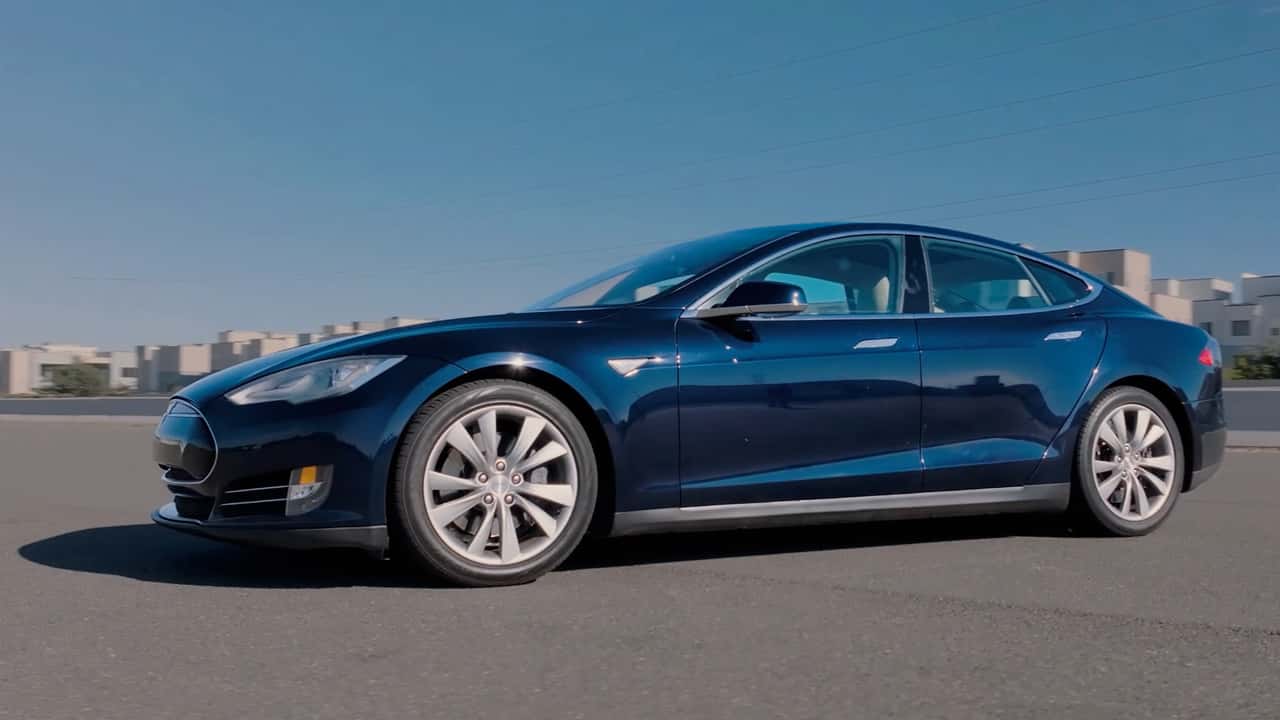

- Edmunds’ sub-$13,000 Model S covered 221 miles on a charge despite having 135,000 miles on the odometer.
- It still hit 60 mph in five seconds, but motor whine and aging electronics hint at potential repair bills.
- Other high-mileage Model S tests still show useful range, though they can't match new EVs' charging speed.
Buying an old Tesla Model S for less than $13,000 sounds tempting until you consider what a replacement battery might cost or the potential problems of a complicated, aging luxury barge. But a low price and a six-figure odometer don’t automatically mean an EV is on its last legs.
Edmunds bought one to see how much car you actually get for the money, and its first round of testing makes a pretty good case for taking the gamble. Its Model S has covered 135,000 miles, yet it still managed 221 miles in the Edmunds EV range test. That’s not great compared to a new electric sedan, but it’s still very good given the price.
It’s still pretty quick, too. In the video documenting its first series of tests, the single-motor, rear-wheel-drive Tesla hits 60 mph in five seconds and completes the quarter-mile in 13.3 seconds. That’s on old, mismatched tires that struggle to put down all the power.

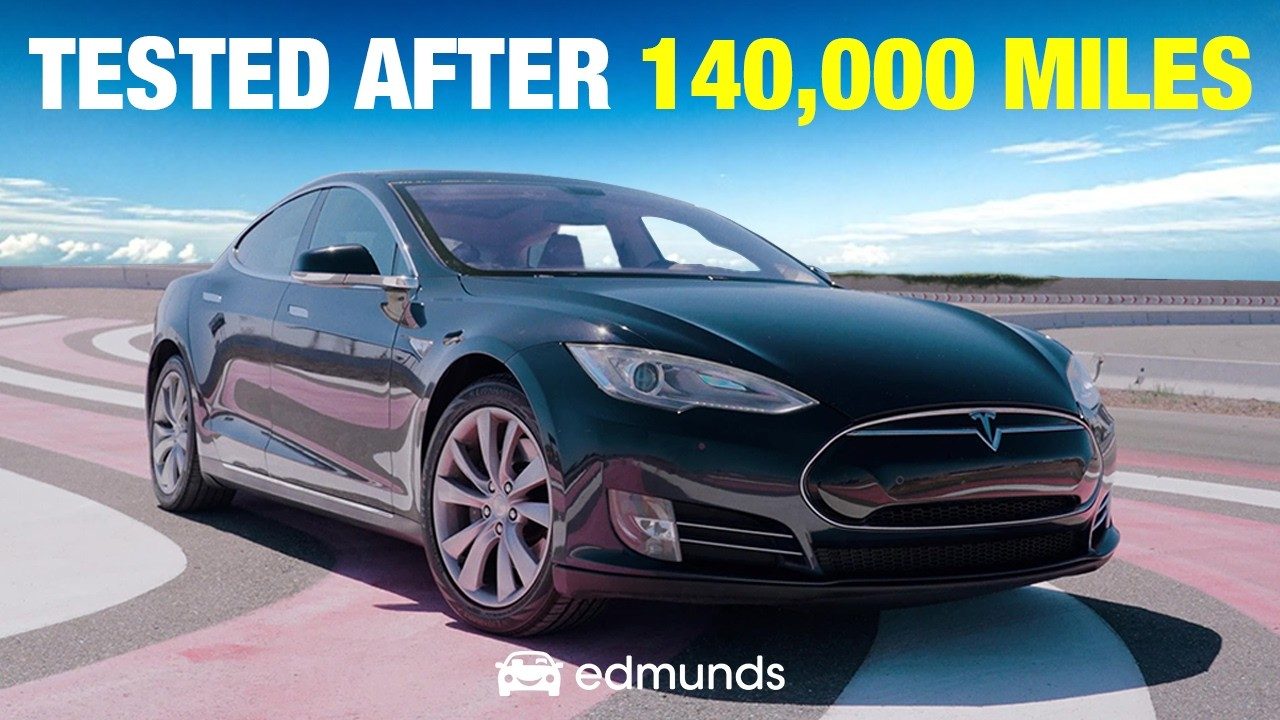
Edmunds quotes an original MSRP of $69,900, which matches the base Model S 60. But its five-second sprint to 60 mph and 221-mile range suggest the price may be misleading; this is likely the larger-battery Model S 85, which started at $79,900. The 60 originally claimed a 5.9-second sprint and a 208-mile EPA rating from its 60-kilowatt-hour battery.
If this really is an 85, that means its battery originally had an 85 kWh capacity and a single rear motor producing 362 horsepower and 325 pound-feet of torque. Tesla claimed 0-60 mph in 5.4 seconds and a 125-mph top speed, with an official EPA range of 265 miles when new. Supercharging was standard on the 85 and optional on the cheaper 60.
Presenter Alistair Weaver seems pleasantly surprised by the car and its overall state. The air suspension works, the cabin is quiet, and there are no obvious creaks or rattles. It still feels luxurious and remains enjoyable through corners, even on questionable tires.

There are reminders of its age, though. The rear motor whines, the driver’s display has damage, and the powered tailgate is tired. But they don’t prevent it from being usable or detract much from the experience; they just sound like issues that will need addressing at some point.
Much of this felt familiar after my drive in a 2015 Tesla Model S P85D. That car had covered around 160,000 miles on its original battery, which the Tessie app estimated retained about 86% of its capacity. It could deliver around 200 miles of real-world range, and its acceleration still felt properly fast.
Other examples have remained useful even with considerably more miles. Last year, Out of Spec tested a 250,000-mile Model S bought for $9,000 including incentives. The 2019 car, believed to still have its original battery, covered 206 miles in a test conducted at roughly 70 mph, although it couldn’t maintain that speed toward the end.
The same car’s charging test exposed one area where it really did show its age. It took about 47 minutes to go from 10% to 80%. A full charge from empty took two hours and 41 minutes, though battery management recalibration and cell balancing lengthened the final stretch.
Different cars and conditions make a direct comparison with Edmunds’ result difficult. Still, dismissing a used EV based on mileage alone could mean overlooking a usable car. High mileage can mean a degraded battery and reduced range, but these older EVs retain capacity better than you might expect.
Edmunds plans to test charging and keep driving its Model S to see how it handles regular use. They know what can go wrong: its original 2013 example needed three drive-unit replacements and a battery replacement, with warranty coverage softening the blow. This time, though, there’s no such safety net, and they will have to foot the whole bill.
Click here to see all articles with lists of the best EVsRECOMMENDED FOR YOU

The Longest-Range EVs You Can Buy In 2026
The Ford Fathom's Home Backup System Will Be Way Cheaper Than The F-150 Lightning's
Tesla Designed The Cybercab To Use LFP Cells In The Future
Is The Hyundai Ioniq 6 A Good Used Buy? An Owner's Thoughts After 30 Months
Tesla And Turo Have A New Way To Get People Hooked On FSD
The EV Tax Credit Could Come Back. Here's What Stands In The Way
The BMW iX3 Destroyed The Rivian R2 In A Highway Range Test