Home
Waymo
News
Waymo Is Recalling Its Robotaxis Because They're Not Great At Dealing With Human Instructions
Sometimes police need drivers to ignore normally posted laws and comply with officer instructions. That hasn't been going great for Waymo.
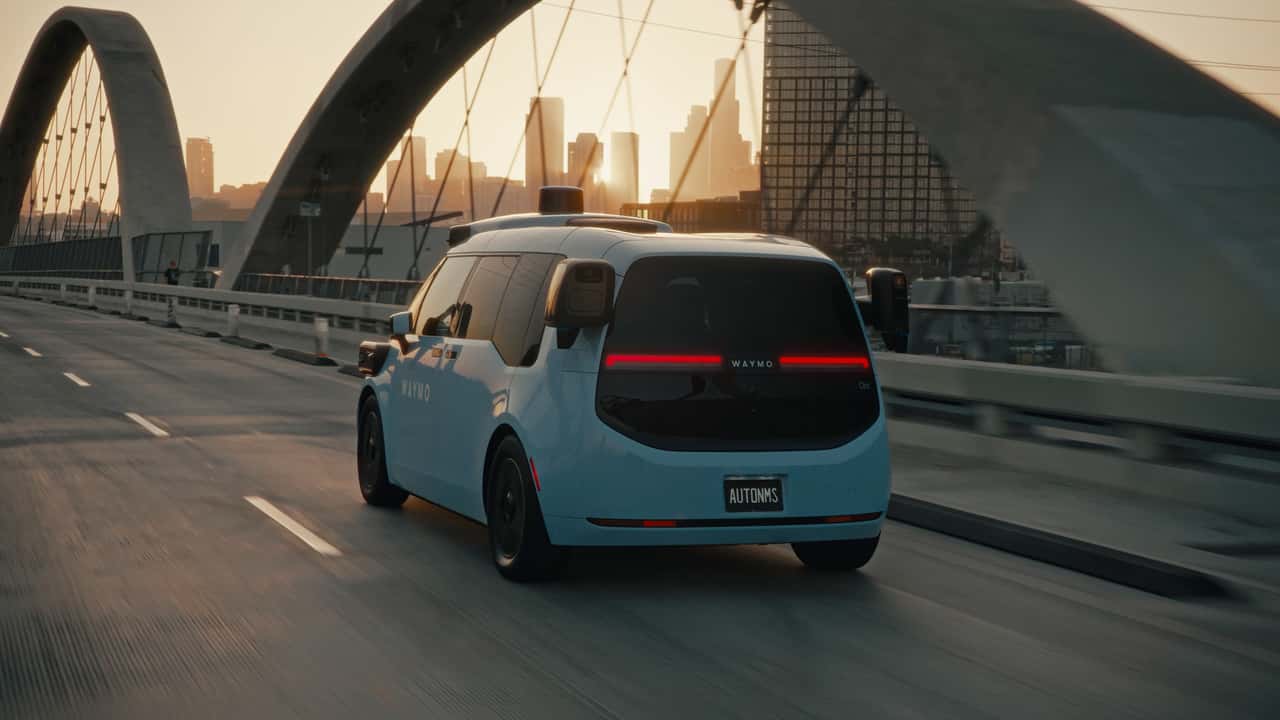
Photo by: Waymo
Mack Hogan 
By: Mack Hogan
Nov 21, at 2:07pm ET
Add InsideEVs as a preferred source in Google
- (https://twitter.com/intent/tweet?url=https%3A%2F%2Finsideevs.com%2Fnews%2F816340%2Fwaymo-manually-controlled-intersection-recall%2F&text=Waymo%20Is%20Recalling%20Its%20Robotaxis%20Because%20They%27re%20Not%20Great%20At%20Dealing%20With%20Human%20Instructions&via=InsideEVs)
- copy
Share
Comment
- California regulators recently banned Waymo robotaxis from freeways in the state, citing a string of incidents.
- One involved a Waymo attempting to drive past a rolling police road block on the highway.
- The recall is handled with a software update, so the taxis aren't going anywhere.
Waymo recalled its robotaxis again on Friday, citing issues with navigating closed freeway lanes and handling manually controlled intersections. For anyone who has been following Waymo closely, this shouldn't be that surprising.
The company's robotaxis were banned from California freeways earlier this month after a few high-profile incidents. Waymo took the voluntary step of suspending interstate operation nationwide on Wednesday, meaning the entire fleet is now back to running primarily on local roads and minor state highways.
The robotaxis seem to be very adept at dealing with normal road conditions. But the trouble seems to be when something unexpected pops up. Regulators from California cited poor behavior surrounding closed lanes and construction zones, a recurring issue for the company, along with a another recent high-profile incident involving a California Highway Patrol rolling road block.
Related Stories
 Waymo Pulls Its Robotaxis Off All U.S. Highways After California Ban
Waymo And Uber's Robotaxi Partnership Is Ending
Waymo Plans To Have 20,000 Cars By The End Of 2027
Waymo's Latest Safety Numbers Sure Make Human Drivers Look Bad
If you don't know what that last sentence means, you aren't alone. When I first moved to California a few years ago, I had no idea what a rolling road block or "traffic break" meant in normal parlance. But drive California freeways long enough and you'll experience one. A CHP cruiser or a group of them joins the highway, puts on its lights, and slowly zigzags across all lanes of traffic, blocking drivers from passing or exceeding the speed of the maneuver. The goal is typically to create a safe break in traffic for authorities to removed debris, clear and accident, or otherwise operate on the road. Sometimes it just slows down the herd before it barrels into a blind-corner accident scene at 80 mph.
When I first experienced this, I was plenty confused. But when I saw cops swerving in front of me with lights on, I naturally just slowed down and stayed behind me. Common sense told me that a cop swerving around with their lights on probably isn't looking for a race. Unfortunately, though, autonomous driving software doesn't always know how to interpret novel situations. So when a Waymo got caught behind a rolling road block, here's what it did:
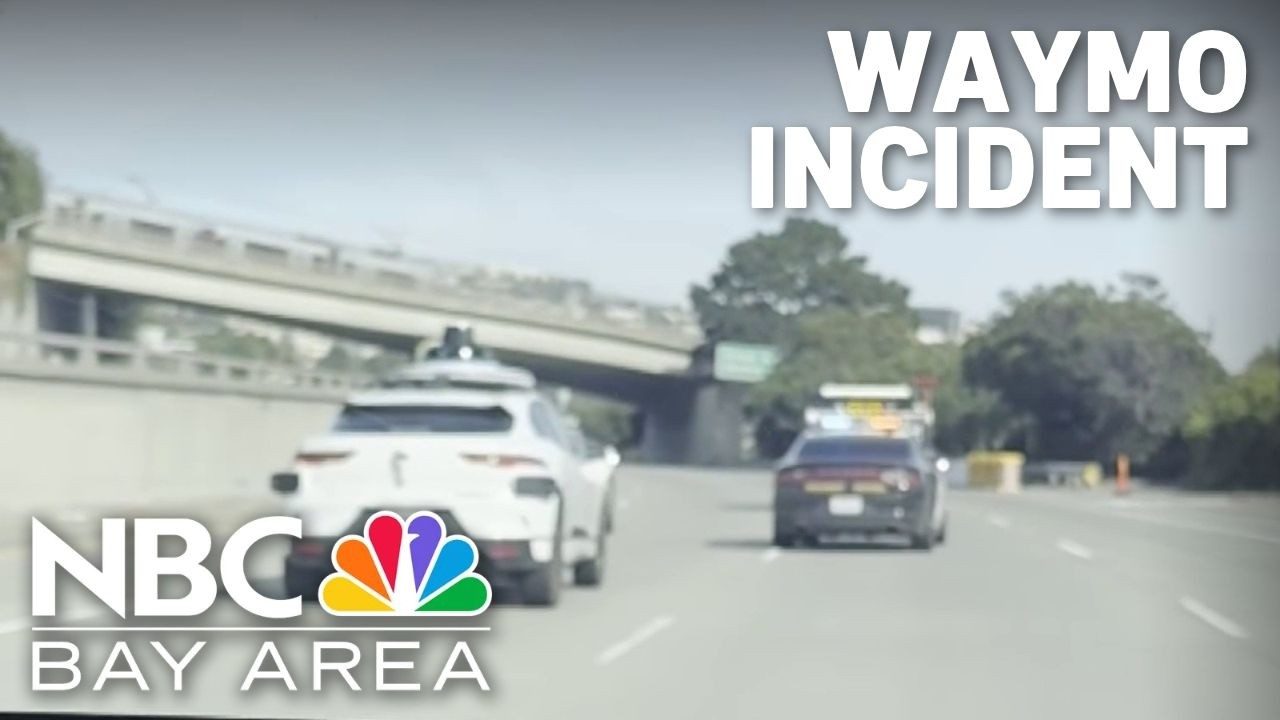
Yep, it tried to blow right by. CHP was able to hold it back, but I've seen a Trooper controlling six lanes of traffic with one car before. Add in an inventive and disobedient robotaxi and you can see how it could create a dangerous situation wherein an autonomous vehicle is driving down a road that construction workers or police think is effectively closed.
Now, Waymos are good enough at avoiding hitting things that I don't expect this would have been too bad. But even a small chance of a runaway robotaxi is unacceptable to regulators and to Waymo, so it's good to pause freeway operations until they figure things out.
But the road block situation is indicative of a larger issue with autonomous vehicles, and perhaps the most interesting one. We think of driving as a predominantly legal or process-driven endeavor. You stop at stop signs, obey the speed limit, and keep it between the lines. Errors happen, but we tend to see them as based on improperly applied rules.
Photo by: Lyft
Yet the police here are disrupting the rules and enforcing an unscheduled and ad-hoc temporary speed limit and traffic flow. If you're from out of state or haven't experienced it yet, it's confusing, as there's direct ruleset for an impromptu situation like that. Yet any other driver caught in this situation wouldn't blow past the cop car. Like me, they'd approach it cautiously, and let the police car take the lead.
That is the issue I'm referring to: Driving is not just about rules and infrastructure. It's a social behavior. We wave each other ahead at stop signs and intersections. We signal our intent for an aggressive merge by riding the side of the lane market. You look at people's faces to gaze intention and attention. And when the traffic lights are down or the road is blocked by falling trees, we create impromptu order where chaos exists, nodding or waving to signal that it's someone else's term.
This was always going to be the hard part for robotaxis. That's why the same recall applies to another troubled behavioral pattern for Waymos: They struggle when officers or city workers are manually controlling and intersection. Whether it's due to a high-traffic event or an outage, it's not all that uncommon to see a police officer directing traffic by hand. They wave you through or hold you back.

Stay informed with our newsletter every weekday
back
Subscribe For more info, read our Privacy Policy & Terms of Use.
What do you think?
View
Comments
But what happens if the car loses sight of the person directing traffic? What if the person directing traffic isn't actually a police officer, and waves you through a red light? What if the alternate route the police point you to spits the robotaxi onto a highway, where it isn't allowed to go?
There are a million more what-ifs related to this social component of driving. All of them will have to be encountered and solved as they come, just as you and I eventually figured these things out. Recall by recall, we'll turn these Waymos into upstanding citizens.
We want your opinion!
What would you like to see on Insideevs.com?
Take our 3 minute survey.
- The InsideEVs team
Share this Story
- (https://twitter.com/intent/tweet?url=https%3A%2F%2Finsideevs.com%2Fnews%2F816340%2Fwaymo-manually-controlled-intersection-recall%2F&text=Waymo%20Is%20Recalling%20Its%20Robotaxis%20Because%20They%27re%20Not%20Great%20At%20Dealing%20With%20Human%20Instructions&via=InsideEVs)
- copy
GO TO COMMENTS
(
)
Got a tip for us? Email: tips@insideevs.com
View all comments ( )
Trending
Lucid Is Slashing $15,000 Off The Gravity, But The Deal Won’t Last Long
The Remnants Of The Electric Saab That Never Was Are Going Up For Auction
What We Both Thought After Driving The Rivian R2
Aptera Finally Built Its First Car For Customer Delivery
Latest Stories
- Waymo Is Recalling Its Robotaxis Because They're Not Great At Dealing With Human Instructions Nov 21 - Autonomous Vehicles -
- This EV-Swapped 1967 Porsche 912 Has 300 HP And A Split Battery Pack Nov 21 - News -
- This Plug-In Hybrid SUV Towed A Boeing 747 On Only 2 Wheels. Yes, Really. Nov 21 - Towing -
- BYD's Latest SUV Can Hide Its Steering Wheel When You Don't Need It Nov 20 - China -
- What We Both Thought After Driving The Rivian R2 Nov 20 - Podcast -
- Hyundai’s N Vision 74 Was One Of The Coolest Car Designs In Recent Memory. Now It's Shelved Nov 20 - News -
- The Remnants Of The Electric Saab That Never Was Are Going Up For Auction Nov 20 - News -
RECOMMENDED FOR YOU
Waymo Pulls Its Robotaxis Off All U.S. Highways After California Ban
This EV-Swapped 1967 Porsche 912 Has 300 HP And A Split Battery Pack
Waymo And Uber's Robotaxi Partnership Is Ending
This Plug-In Hybrid SUV Towed A Boeing 747 On Only 2 Wheels. Yes, Really.
Uber Wants Thousands Of Robotaxis By 2027. Waymo Is Already There
BYD's Latest SUV Can Hide Its Steering Wheel When You Don't Need It
Waymo's Public Fast-Charging Problem Is Infuriating EV Drivers