Home
Waymo
News
Waymo's Public Fast-Charging Problem Is Infuriating EV Drivers
Robotaxi companies need to figure out how their driverless cars can be less annoying for everyday drivers.
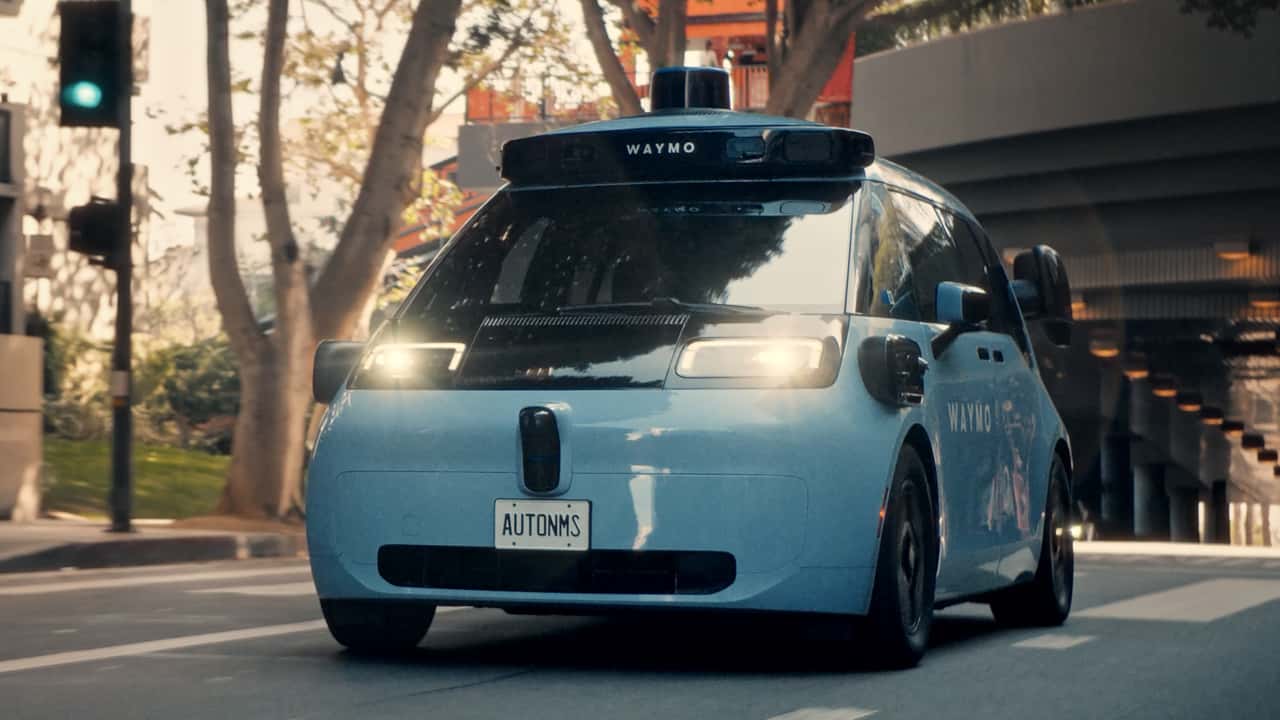
Photo by: Waymo
Suvrat Kothari 
By: Suvrat Kothari
Oct 30, at 3:28pm ET
Add InsideEVs as a preferred source in Google
- (https://twitter.com/intent/tweet?url=https%3A%2F%2Finsideevs.com%2Fnews%2F813929%2Fwaymo-ev-charging-problem-california%2F&text=Waymo%27s%20Public%20Fast-Charging%20Problem%20Is%20Infuriating%20EV%20Drivers&via=InsideEVs)
- copy
Share
Comment
- Some Waymo robotaxis in San Diego, California, are crowding public fast charging stations.
- Regular electric vehicle drivers are frustrated as they have to wait for spots to open up.
- Waymo said it prioritizes charging at its own depots.
Imagine pulling up to a public fast-charging station for a quick top-up, only to find several Waymo robotaxis occupying the stalls. That's reportedly happening in San Diego, California, where some EV drivers say they've had to wait up to an hour or find another charging location.
The Alphabet-owned company is rapidly expanding across the U.S. and now serves riders in 15 cities. But its growing fleet is creating an unexpected headache for some EV drivers. While Waymo operates dedicated depots for vehicle maintenance and charging, some of its robotaxis are also using public fast-charging stations, the Los Angeles Times reported Friday.
“They come in droves,” one driver told the outlet.
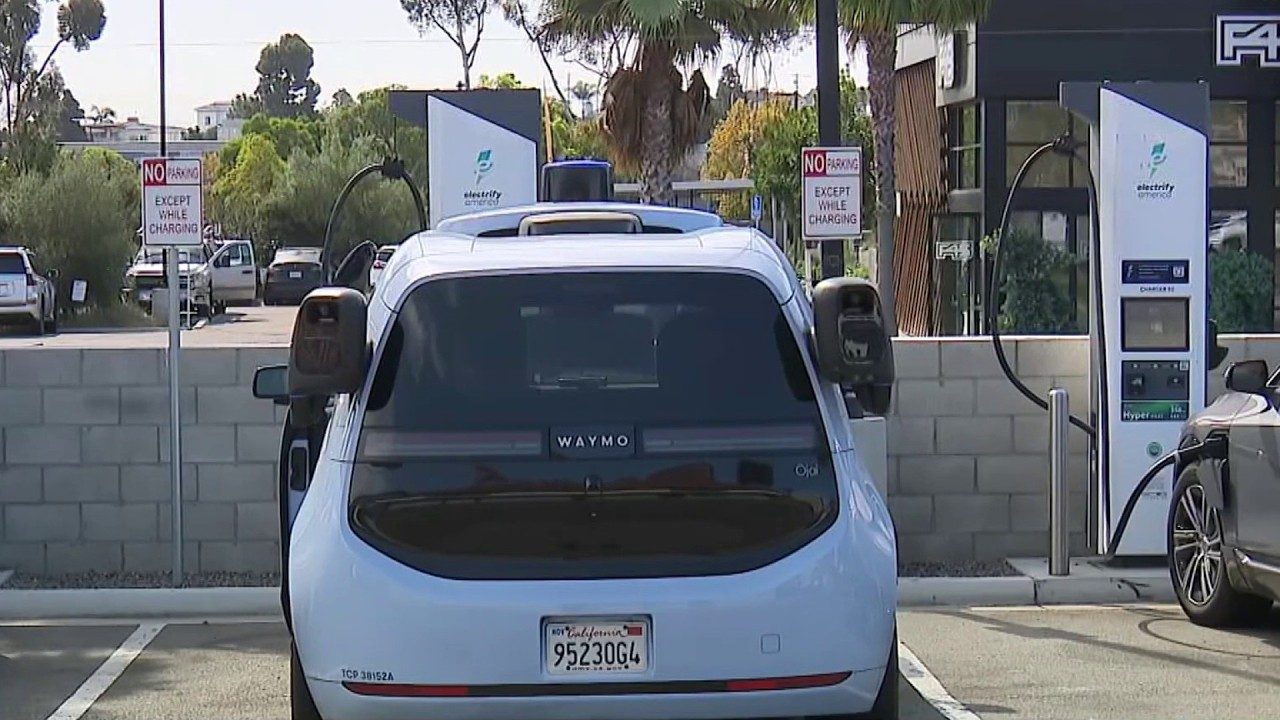
Waymo told the newspaper that it has people at some public charging locations to assist robotaxis as they arrive, and that it tries to avoid having vehicles crowd one station. Its Jaguar I-Paces and Zeekr vans that are sometimes driven by humans may also use public chargers during breaks, the spokesperson said. The company prioritizes its own charging hubs, Waymo said. But setting up dedicated facilities can take time when entering new markets.
The friction between Waymos and EV drivers highlights how the arrival of autonomous vehicles is creating some unexpected headaches.
EV drivers in Nashville and St. Louis have also accused Waymos of hogging public chargers, according to social media posts. Santa Monica residents also complained last year about noise from Waymos returning from overnight shifts which had beeping parking sensors and flashing lights. In San Francisco, residents have reported Waymos honking at each other in the middle of the night at a depot.
What do you think?
View
Comments
EVgo told the LA Times that its San Diego chargers are available to both private EV drivers and robotaxis. In other words, Waymo isn't breaking any rules by plugging in. But that doesn't make the situation any less frustrating for drivers who depend on those stations.
It’s certainly an awkward situation. Building more public fast chargers will help—and we know that’s happening nationwide at a steady speed. And Waymo says it prioritizes its own private depots. But as it stands, robotaxis and human drivers are competing for limited real estate.
Related Stories
 Waymo Plans To Have 20,000 Cars By The End Of 2027
Waymo's Latest Safety Numbers Sure Make Human Drivers Look Bad
Waymo Is Bringing Driverless Rides To Las Vegas
Waymo Just Made A New Friend In Nashville, And It's Not Uber
We want your opinion!
What would you like to see on Insideevs.com?
Take our 3 minute survey.
- The InsideEVs team
Share this Story
- (https://twitter.com/intent/tweet?url=https%3A%2F%2Finsideevs.com%2Fnews%2F813929%2Fwaymo-ev-charging-problem-california%2F&text=Waymo%27s%20Public%20Fast-Charging%20Problem%20Is%20Infuriating%20EV%20Drivers&via=InsideEVs)
- copy
GO TO COMMENTS
(
)
Got a tip for us? Email: tips@insideevs.com
View all comments ( )
Trending
A Tesla Model Y Without A Steering Wheel Is Coming: Musk
Every EV Motor Type Explained: They Aren't All The Same
I Tried Mercedes' Answer To Tesla FSD. Here's How It Went
Tesla Model 3 Maintenance Guide: What Needs Servicing And What Doesn't
Latest Stories
- Americans Bought More Used EVs In October. Fewer Of Them Were Teslas Nov 19 - News -
- Nearly 1 In 5 Tesla Model Ys Failed Their First German Inspection Nov 19 - News -
- Rivian’s Also Spinoff Pauses Deliveries Of Its $3,500 E-Bike After Months Of Delays Nov 19 - E-Mobility -
- The EV Charging Company That’s Quietly Conquering America Is Building A New U.S. Factory Nov 19 - Manufacturing / Production -
- A Tesla Model Y Without A Steering Wheel Is Coming: Musk Nov 18 - News -
- The BMW i3 Has The Nurburgring Skills To Match Its Impressive Range Nov 18 - News -
- Kia Made Its First EV 40 Years Ago. It Shows How Far Electric Cars Have Come Nov 18 - News -
RECOMMENDED FOR YOU
Waymo Pulls Its Robotaxis Off All U.S. Highways After California Ban
Americans Bought More Used EVs In October. Fewer Of Them Were Teslas
Waymo And Uber's Robotaxi Partnership Is Ending
Nearly 1 In 5 Tesla Model Ys Failed Their First German Inspection
Uber Wants Thousands Of Robotaxis By 2027. Waymo Is Already There
Rivian’s Also Spinoff Pauses Deliveries Of Its $3,500 E-Bike After Months Of Delays
Waymo Plans To Have 20,000 Cars By The End Of 2027