
Chinese Cars Cost Way Less To Build Than European Ones. Here’s Why
Consulting firm AlixPartners found that, structurally, Chinese EV Manufacturers are on a totally different planet.
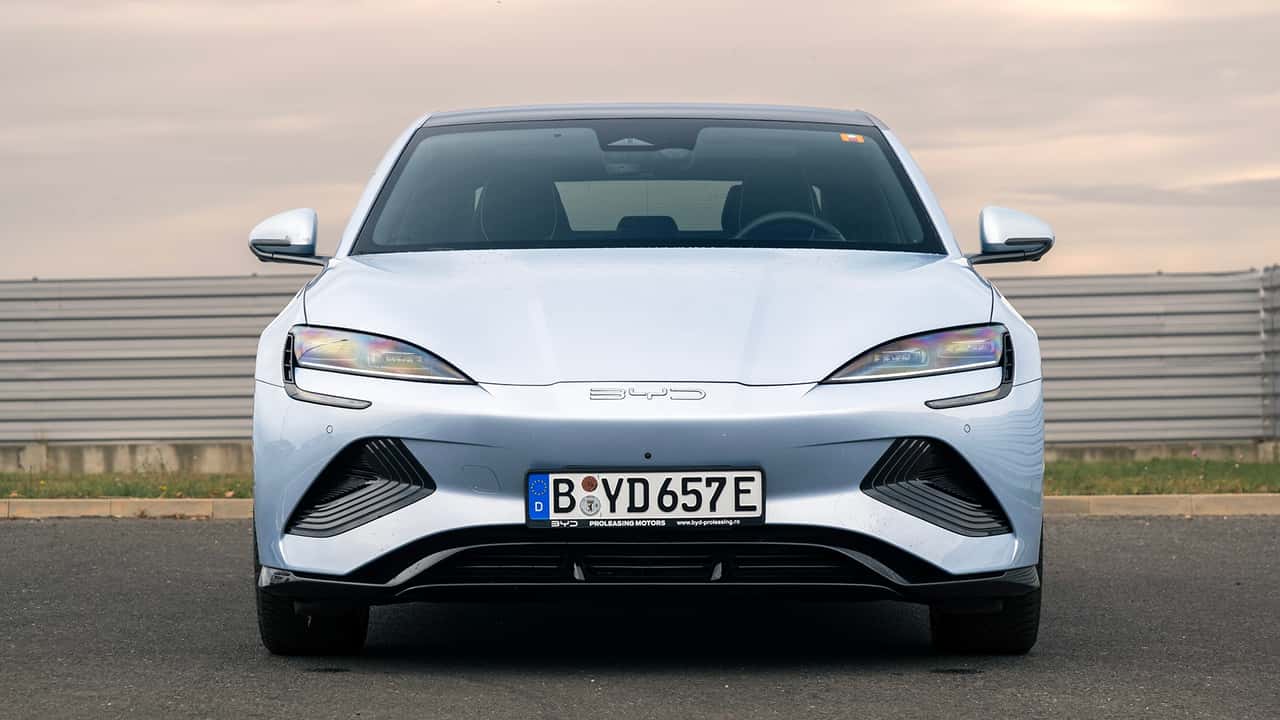

- AlixPartners found that, on average, a European EV that cost $31,000 to make would only cost about $20,000 to make in China.
- The firm says that structural advantages, like corporate organization that enables a faster speed of development and cheaper battery costs, are big reasons why China is ahead.
- Europe could catch up if it invests in more battery manufacturing and streamlines its corporate structure.
Chinese cars are catching on for a reason, and it’s not super hard to see why. Chinese brands are making big inroads globally among value-oriented consumers in search of a deal. These cars are generally very good, especially for the cheaper-than-average prices they’re offering. Of course, this has sent Europe into an existential crisis, as the Chinese brands threaten the future of its automotive industry. Some insist that this is merely political policy from Beijing to underprice cars and weaken global industry.
Not so fast. A recent analysis from financial consulting and market analysis company AlixPartners examined China’s rise on a deep level. The firm shows that financial subsidies or incentives aren’t the full explanation for China’s superiority in the EV space. AlixPartners found that there’s a roughly 35% production cost difference on average between Chinese EV models and European ones. At the end, the analysis emphasized the importance for European manufacturers to fundamentally change how they all operate in order to maintain relevance and profitability.

“A Chinese-branded EV made in China costs about $20,000 to produce versus $31,000 for a European equivalent,” the study said. Why? Well, there’s a combination of reasons, some larger than others, but all add up to structural advantages in how Chinese companies are managed and how these companies utilize their manufacturing advantages, and not really just subsidies.
For starters, the study says that Europe’s battery manufacturing and raw material sourcing are too reliant on external inputs, which is a structural barrier to high costs.
Essentially, the study asserts that from top to bottom, making and sourcing a battery is just too pricey in continental Europe. Its largest source of raw materials is from battery recycling, but the capacity for such recycling is below where it needs to be for it to be sustainable for battery production. European energy prices are way higher than those in the U.S. and China, too, only further driving up the price of production. AlixPartner’s suggested solution is essentially subsidies and incentives for manufacturers to continue to establish and run battery production plants, even subsidizing energy costs when the plants are running.
Also, the concept of “China Speed” is one of the biggest advantages Chinese brands have against most of the Western world. In essence, Chinese car companies have reduced and accelerated decision-making timetables compared to industry norms. Some big decision-makers have far fewer layers of management, and testing is often virtual, with physical in-person validation happening at the very end.
This speed and confident decision-making showed up all through China’s EV development. Whether it be from software-defined vehicles or physical platform and ergonomic development, these brands are just so much more agile, able, and willing to put new technologies into practice. Of course, sometimes China has been accused of moving too fast, as the race-to-market strategy has resulted in some blunders that could likely have been caught with more extensive testing. For example, Lynk & Co’s software bug could accidentally turn off the lights via voice commands while driving. The resultant accident from the Lynk & Co Z20 went viral on Chinese social media, and other Chinese EV drivers learned that their cars, some made by other brands, were susceptible to the same problem.

AlixPartners’ study ends with a word of caution: Tariffs only buy time to catch up, and they won’t thwart China’s competitive advantage. Sure, European localization of Chinese EVs will erode some of the cost advantages that Chinese brands have with their home supply chains, but the structural advantages of how these companies are run will continue. Western firms need to reinvent themselves if they want to keep up.
Overall, AlixPartner’s paper is a fascinating look into some of the things I’ve seen a glimpse of on the ground in China. Insisting that China’s dominance in EV manufacturing is more complicated than simply throwing everything on government policy; rather, it's a big country with smart people running big companies in incredibly wise ways.
Related Articles
RECOMMENDED FOR YOU
The Lincoln Aviator PHEV May Have Died In America, But It’s Coming Back In China
The AI Boom Is Creating A New Supply Chain Headache For Automakers
Chinese EVs Are Praised For Value, But This $150,000 Minivan Has A Serious Braking Problem
This Mercedes Went 539 Miles On A Charge. Is Range Anxiety Finally Dead?
BYD’s $10,000 EV Is Getting A Huge Upgrade, With 5-Minute Charging
Lucid's $50,000 Tesla Model Y Rival Is Getting Closer To Production. Here's The Latest
President Trump Says He's Open To Chinese EVs. But Only If They're Made Here