Home
News
Waymo’s Wild-Looking Chinese Van Is Ready For Prime Time
The Zeekr-made Ojai minivan fitted with Waymo’s sixth-generation Driver suite will start offering trips to employees soon.
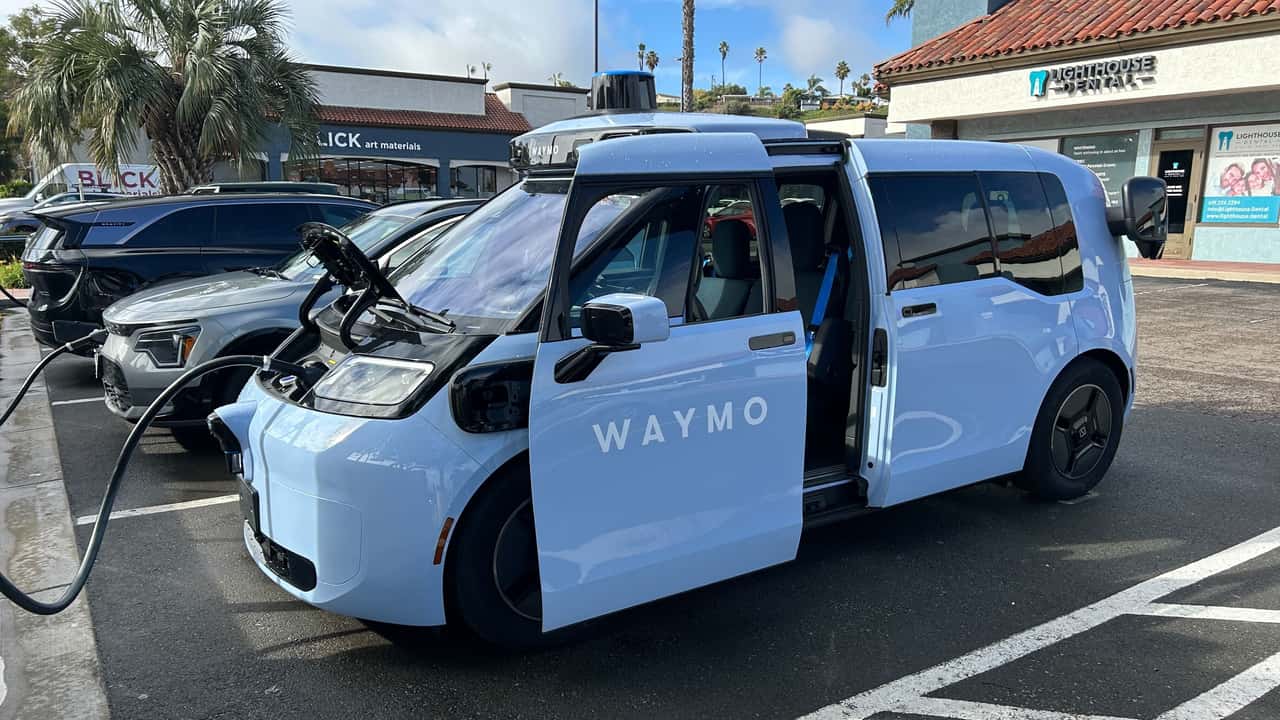
Photo by: Mack Hogan/InsideEVs
Iulian Dnistran 
By: Iulian Dnistran
Feb 13, at 8:27am ET
Add InsideEVs as a preferred source in Google
- (https://twitter.com/intent/tweet?url=https%3A%2F%2Finsideevs.com%2Fnews%2F787252%2Fwaymo-most-advanced-robotaxi-begins-operations%2F&text=Waymo%E2%80%99s%20Wild-Looking%20Chinese%20Van%20Is%20Ready%20For%20Prime%20Time&via=InsideEVs)
- copy
Share
Comment
- Waymo is putting its latest-generation robotaxi on America’s streets.
- The sixth-generation Waymo Driver system is cheaper, smaller and much more capable than its predecessor.
- The first car to get the new hardware suite is the Zeekr-made Ojai electric minivan, followed by the Hyundai Ioniq 5 crossover.
Waymo’s latest-generation hardware suite for driverless taxis is ready for prime time. The sixth-generation Waymo Driver suite is cheaper, more advanced and much more scalable than the previous hardware, which was exclusively fitted to the Jaguar I-Pace EV.
It will be fitted to the Zeekr-made Ojai electric minivan first, and the company will start offering fully autonomous rides to employees in Los Angeles and San Francisco soon. Public rides will follow, and the company’s fleet will also start using Hyundai Ioniq 5 EVs fitted with the same technology. Up until now, Waymo has been testing Zeekr and Hyundai robotaxis on public roads, but with safety drivers in the front seat.
The robotaxi company’s new hardware suite uses a combination of high-definition cameras, lidar and radar to create a comprehensive 360-degree view of the vehicle’s surroundings, while also offering several fallback options, compared to Tesla’s vision-only approach.

Waymo Ojai, previously known as the Zeekr RT
Photo by: Patrick George
It’s all part of Waymo’s plan to significantly cut back spending and boost its presence in the increasingly crowded robotaxi market, where it currently leads the pack. The sixth-gen Driver suite was built specifically for “high-volume production,” with the Alphabet-owned company claiming that the sensor suite can be easily adapted to any kind of vehicle for easier and faster rollout.
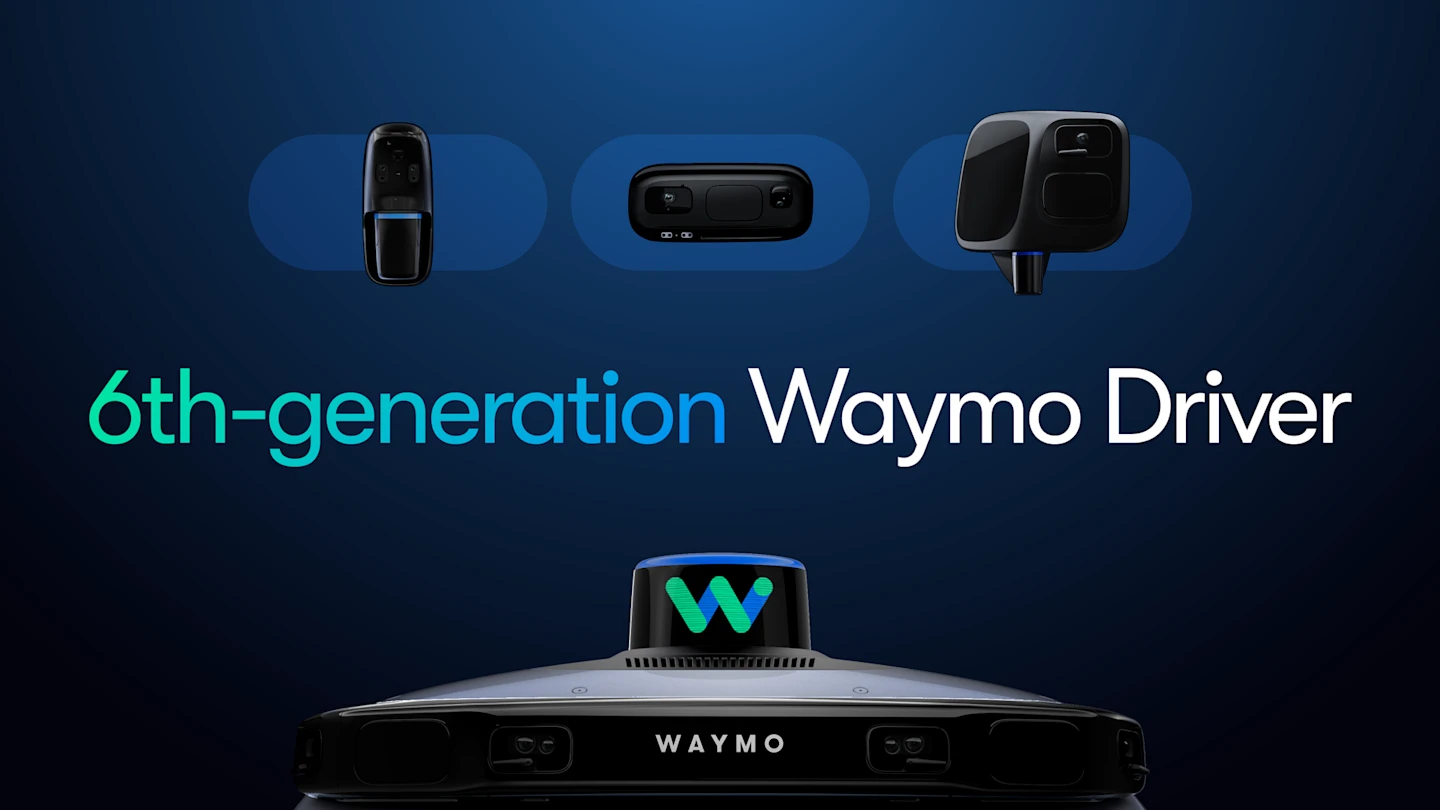
Waymo's sixth-generation Driver
Photo by: Waymo
Waymo wants to add 20 new cities to its portfolio this year, which means it will need a lot more cars on the road, but the company has already started scaling its factory in Metro Phoenix to be able to churn out tens of thousands of Driver hardware kits every year. As more units are built, costs decline.
Getting back to the sensors, the sixth-gen hardware suite blends several high-powered cameras, short-range lidar and radar, which were developed in-house by Waymo with an emphasis on high usability in all types of weather conditions. As a result, there’s a cleaning system for most of these sensors, so if they get covered with snow, it shouldn’t impair the robotaxi’s driving abilities.
The Hyundai Ioniq 5 with Waymo's sixth-generation Driver suite will offer public rides, too.
Photo by: Patrick George
In the camera department, the latest system uses a total of 16 17-megapixel cameras that can capture “millions of data points for incredibly sharp images,” according to Waymo. Compared to the previous-generation system, which had 29 cameras, the new “imagers” (that’s what Waymo calls them) also have significantly improved dynamic range, allowing them to “see” a lot better during the night.
What do you think?
View
Comments
Then, there are short-range lidar units, which help identify vulnerable road users, while adding “centimeter-scale accuracy” into the mix. A set of more affordable radar sensors is also integrated into the sensor suite, and there’s an improved set of external audio receivers, or EARs, which can detect approaching emergency vehicles or trains from their sound signature.
Currently, Waymo’s fleet has around 1,500 cars, and the company aims to boost that number to 3,500 this year. However, the ultimate goal is to have tens of thousands of robotaxis on the streets.

Stay informed with our newsletter every weekday
back
Subscribe For more info, read our Privacy Policy & Terms of Use.
More Robotaxi Stories
Americans Are Warming Up To Robotaxis, But Only When They Show Up In Their Cities
Hyundai Is Launching Its Own Robotaxi Service. Can It Win Where Cruise Failed?
At CES 2026, The Real Automotive Story Is Robots, Robotaxis And AI
Tesla Will Charge You $150 If You Puke In A Robotaxi
We want your opinion!
What would you like to see on Insideevs.com?
Take our 3 minute survey.
- The InsideEVs team
Share this Story
- (https://twitter.com/intent/tweet?url=https%3A%2F%2Finsideevs.com%2Fnews%2F787252%2Fwaymo-most-advanced-robotaxi-begins-operations%2F&text=Waymo%E2%80%99s%20Wild-Looking%20Chinese%20Van%20Is%20Ready%20For%20Prime%20Time&via=InsideEVs)
- copy
GO TO COMMENTS
(
)
Got a tip for us? Email: tips@insideevs.com
View all comments ( )
Trending
Kia EV3 Lease Deals Are Here, And It’s Cheaper Than The Chevy Bolt And Nissan Leaf
I Let Android Auto Plan My EV Roadtrip. Here’s How It Worked
This Chevy Bolt Has 470,000 Miles. Here’s How Much A New Battery Was
Here's What It's Like To Take Delivery Of A Rivian R2
latest articles
- Waymo Plans To Have 20,000 Cars By The End Of 2027 Oct 20 - News -
- The Boring Company Uses Tesla Model 3 Sleds To Shuttle Shipping Containers Through Its Tunnels Oct 20 - News -
- How Much Range Do EVs Lose When Parked? (And How to Stop It) Oct 20 - EV 101 -
- This Chinese EV Is Now Made In Europe. More Are Coming Oct 20 - News -
- GM Is Closing Its Detroit EV Battery Plant Oct 20 - Industry -
- The 2027 Lexus NX Plug-In Hybrid Gets A Bigger Battery And Fast Charging Oct 20 - Official -
- Kia EV3 Lease Deals Are Here, And It’s Cheaper Than The Chevy Bolt And Nissan Leaf Oct 20 - Pricing -
RECOMMENDED FOR YOU
Waymo Plans To Have 20,000 Cars By The End Of 2027
The Boring Company Uses Tesla Model 3 Sleds To Shuttle Shipping Containers Through Its Tunnels
How Tesla Is Pressuring European Regulators To Approve FSD
How Much Range Do EVs Lose When Parked? (And How to Stop It)
Waymo’s New Robotaxi Minivans Are Now Taking Paying Passengers
This Chinese EV Is Now Made In Europe. More Are Coming
After Driving Over 25 Chinese Cars, These Are The 6 I Would Buy