Home
Tesla
News
Tesla Snubs Uber On Robotaxi Partnership: ‘They Want To Do It Alone’
Both Tesla and Uber will launch Robotaxis in the U.S. this year. But they are not teaming up just yet.
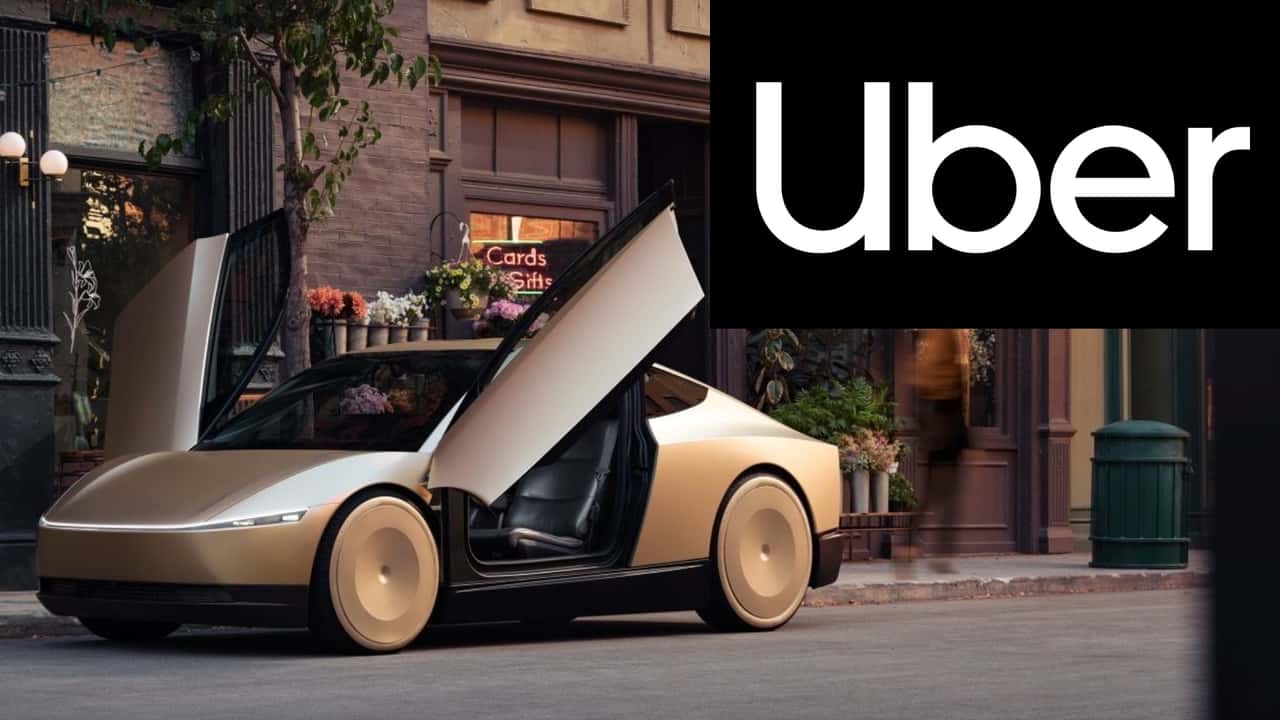
Photo by: InsideEVs
Suvrat Kothari 
By: Suvrat Kothari
Feb 24, 2025 at 11:15am ET
Add InsideEVs as a preferred source in Google
- (https://twitter.com/intent/tweet?url=https%3A%2F%2Finsideevs.com%2Fnews%2F751623%2Ftesla-snubs-uber-robotaxi-partnership%2F&text=Tesla%20Snubs%20Uber%20On%20Robotaxi%20Partnership%3A%20%E2%80%98They%20Want%20To%20Do%20It%20Alone%E2%80%99&via=InsideEVs)
- copy
Share
Comment
- The robotaxi space will heat up this year with both Uber and Tesla planning to launch their autonomous services in the coming months.
- Tesla plans to launch its own ride-hailing service and Uber has partnered with Waymo. Both companies claim that the robotaxi industry could be worth trillions of dollars.
- Uber CEO Dara Khosrowshahi said a Tesla partnership would make "economic sense" but the automaker wants to "do it alone."
Uber wants in on Tesla’s robotaxi ambitions, but so far, the interest has been somewhat one-sided.
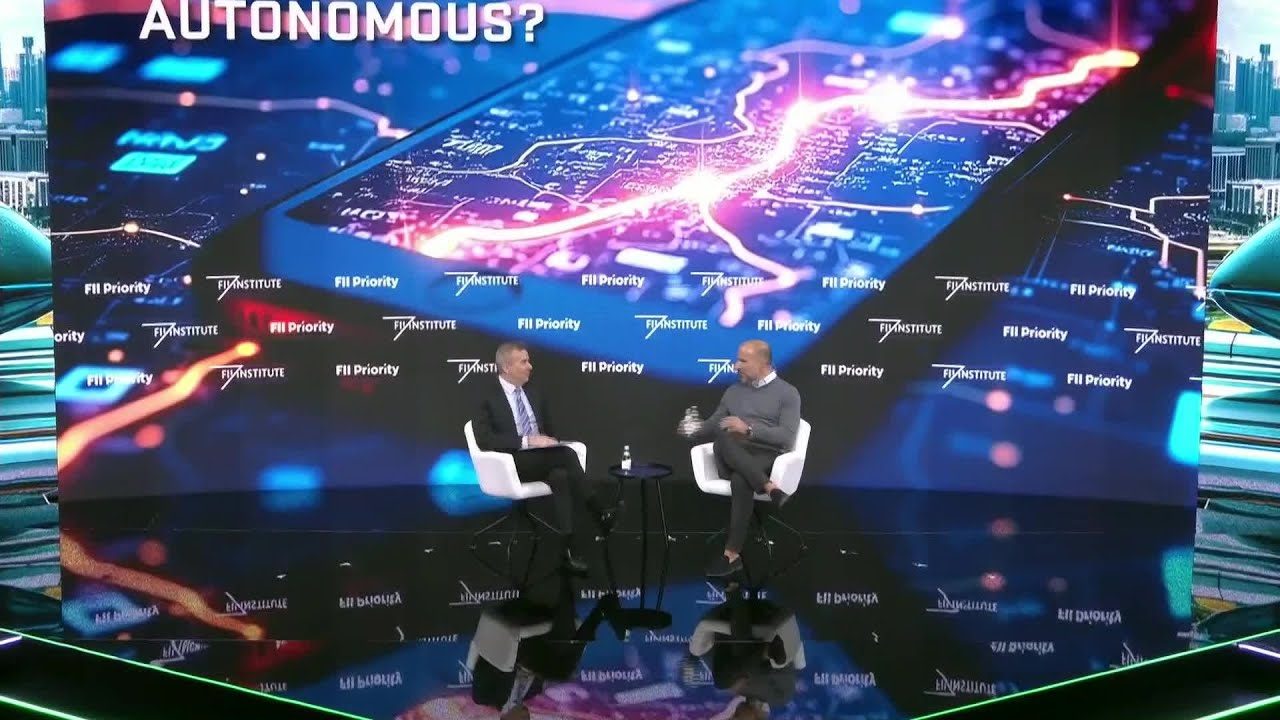
The ride-hailing giant has previously signaled its eagerness to partner with Tesla to deploy self-driving taxis in the U.S., but Elon Musk’s company has shown little reciprocation. CEO Dara Khosrowshahi reiterated that last week at the Future Investment Initiative Institute conference in Miami, telling Bloomberg TV’s Manus Cranny that Tesla wants to go solo on the robotaxi front.
“We certainly think it makes a ton of economic sense,” Khosrowshahi said of a potential partnership with Tesla. Uber has tens of millions of users in the U.S. and Tesla could benefit from that customer base.
The automaker said during its Q4 2024 earnings call that it plans to deploy its first driverless taxis in Austin in June this year. But the rollout will be slow and measured, following a playbook similar to Waymo’s expansion in the U.S. Tesla offers one of the best in-vehicle software and app experiences for its passenger cars, but operating a ride-hailing network is an entirely different challenge—one Uber has spent years mastering.
“I’ve had conversations with them. They want to build it alone,” Khosrowshahi said. “To some extent, in Austin, we and Waymo will be competing with Tesla when they launch. But we would love to partner with them,” he added.
Uber and Lyft are both planning to deploy autonomous taxis in the U.S. this year. Uber has partnered with Waymo to deploy its self-driving Jaguar I-Pace EVs in Austin first and then in Atlanta later this year. Lyft has partnered with start-up May Mobility, AV technology company Mobileye and dashcam firm Nexar to deploy robotaxis in Atlanta.
Gradually moving to self-driving Teslas—if they ever prove to be fully safe for riders—could be a natural next step for Uber. It already has plans to fully electrify its fleets in the U.S. and Canada by 2030, an ambitious timeline given the current regulatory headwinds facing the EV industry. However, that does align with some of the goals of some of Uber’s biggest markets globally.
New York City, for example, will require both Uber and Lyft to go fully electric by 2030 as a part of its Green Rides Initiative.
“We would love to have Teslas on the network. There are about 150,000 drivers now who drive Teslas,” Khosrowshahi said. And many of those drivers are now using Tesla's misleadingly labeled Full-Self Driving (FSD) system during their trips, drawing a mixed response from riders. FSD is a level 2 driver assistance system requiring full supervision from drivers.
It’s also worth noting that Uber’s pivot to partnering with AV companies comes after its own failed efforts to develop self-driving taxis. It spent years and over $1 billion to build its own autonomous cars but the operation turned into a legal and financial nightmare after a self-driving Uber got involved in a fatal crash in 2018.

Photo by: InsideEVs
Now, by partnering with established hardware and software companies, Uber’s AV ambitions may finally have a real shot. It started deploying autonomous taxis in Abu Dhabi last year in partnership with China’s WeRide. Self-driving Ubers are coming to the U.S. this year. And while a Tesla partnership isn’t on the horizon, there’s no indication that it is entirely off the table either.
Tesla itself still appears to be in a test-the-waters phase with its robotaxi strategy. In recent weeks, at least two incidents involving FSD have made headlines. One resulted in a crash, while the other was a near-miss that could have led to a head-on collision between a Cybertruck and an oncoming vehicle.
What do you think?
View
Comments
Federal Highway Administration data shows that human drivers cause about 1.33 deaths per 100 million miles traveled. As of now, there’s no publicly available data proving Tesla’s robotaxi tech can beat, or even match, that record.
Do you work at Tesla and have a story to share? We'd love to chat anonymously and securely. Reach out to me at suvrat.kothari@insideevs.com or at suvrat.74 through the Signal app.
Related Stories
Uber's CEO Still Sees An All-EV Future. But Trump's EV Pullback Is 'Not Good'
Uber And Lyft Will Roll Out Robotaxis This Year. But There’s A Problem
Tesla Ubers With Full Self-Driving Are Basically Temu-Grade Robotaxis
Uber Will Use GM's Cruise Robotaxis
We want your opinion!
What would you like to see on Insideevs.com?
Take our 3 minute survey.
- The InsideEVs team
Share this Story
- (https://twitter.com/intent/tweet?url=https%3A%2F%2Finsideevs.com%2Fnews%2F751623%2Ftesla-snubs-uber-robotaxi-partnership%2F&text=Tesla%20Snubs%20Uber%20On%20Robotaxi%20Partnership%3A%20%E2%80%98They%20Want%20To%20Do%20It%20Alone%E2%80%99&via=InsideEVs)
- copy
GO TO COMMENTS
(
)
Got a tip for us? Email: tips@insideevs.com
View all comments ( )
Trending
The Mercedes-Benz EQS Sedan, EQS SUV, And EQE SUV Soldier On For 2027
The BMW iX5 Was Driven Until It Died. It Had A Surprising Amount Of Hidden Range Left
What We Both Thought After Driving The Rivian R2
Aptera Finally Built Its First Car For Customer Delivery
Latest Stories
- China’s SC01 EV Sports Car Will Get Its Own Factory In Europe Nov 23 - Europe -
- The BMW iX5 Was Driven Until It Died. It Had A Surprising Amount Of Hidden Range Left Nov 23 - Range / Efficiency -
- The Mercedes-Benz EQS Sedan, EQS SUV, And EQE SUV Soldier On For 2027 Nov 23 - Pricing -
- The U.S. Let Volvo Keep Selling Cars. Polestar Got A No. What About Mercedes? Nov 22 - News -
- Tesla FSD V15 Makes Your Drive Look Like Grand Theft Auto Nov 22 - News -
- Waymo Is Recalling Its Robotaxis Because They're Not Great At Dealing With Human Instructions Nov 21 - Autonomous Vehicles -
- This EV-Swapped 1967 Porsche 912 Has 300 HP And A Split Battery Pack Nov 21 - News -
RECOMMENDED FOR YOU
Tesla FSD V15 Makes Your Drive Look Like Grand Theft Auto
The BMW iX5 Was Driven Until It Died. It Had A Surprising Amount Of Hidden Range Left
The Best EV Lease And Finance Deals In November 2026
The Mercedes-Benz EQS Sedan, EQS SUV, And EQE SUV Soldier On For 2027
Tesla's Driverless Cybercab Is Now Available In Dallas
The U.S. Let Volvo Keep Selling Cars. Polestar Got A No. What About Mercedes?
Americans Bought More Used EVs In October. Fewer Of Them Were Teslas